The transition from performer to mentor
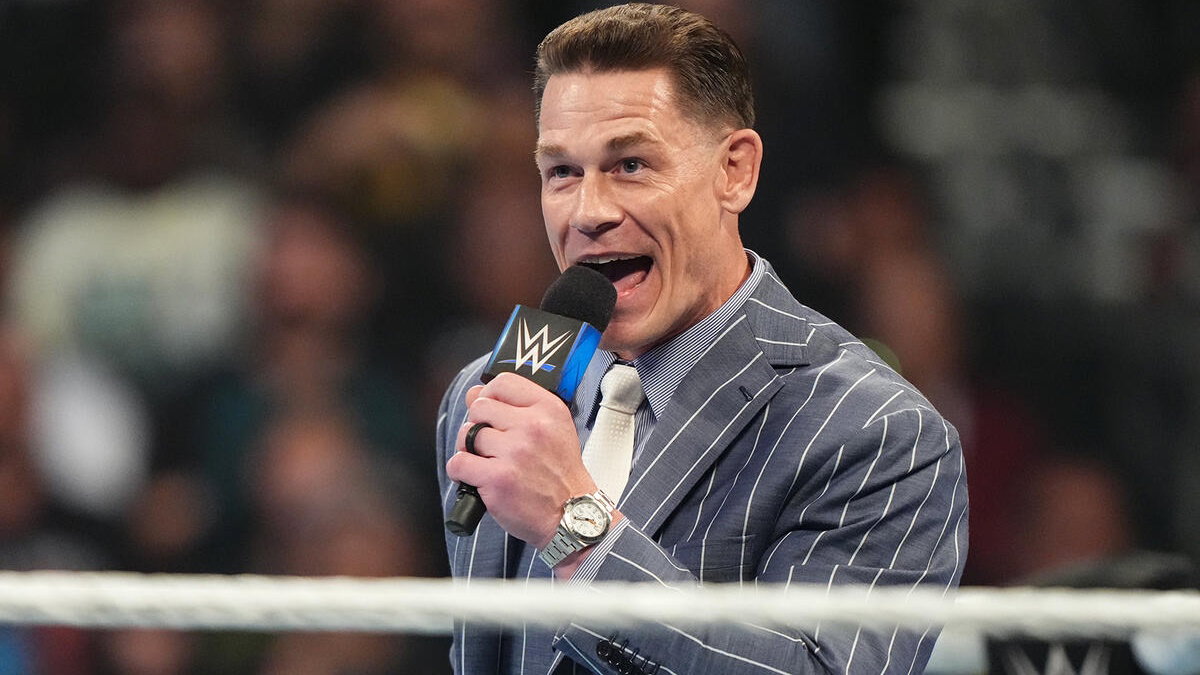
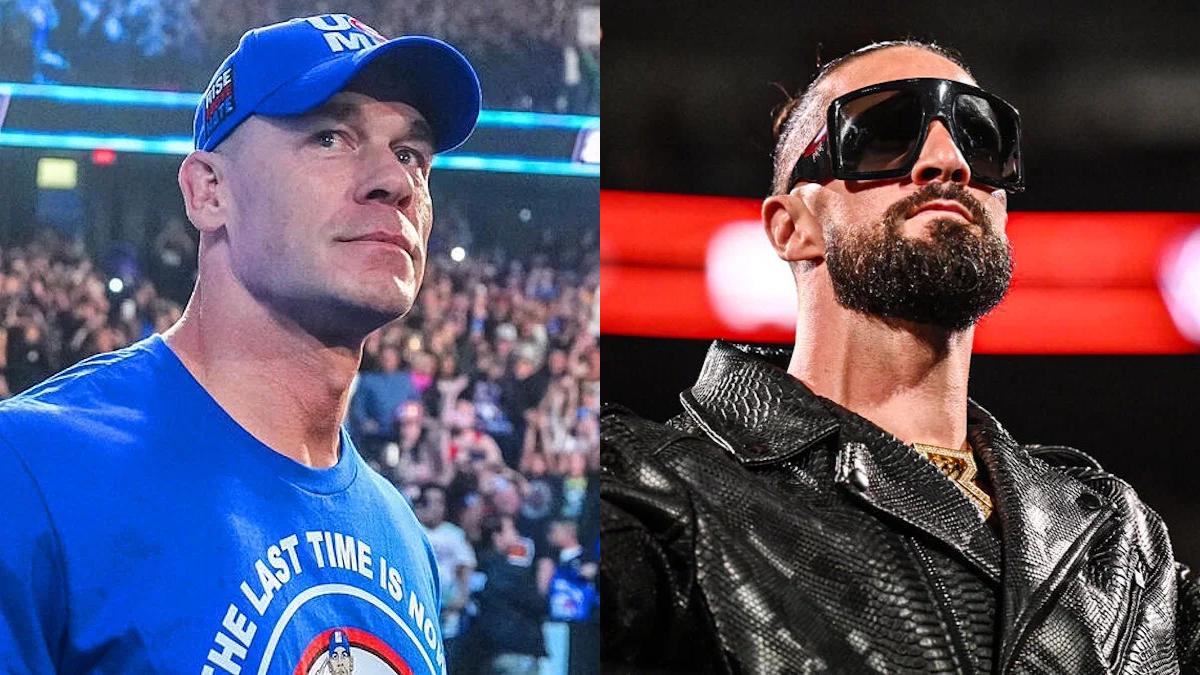
In mid-2026, the movement of veteran talent into instructional roles has accelerated. John Cena recently parked his boots to spend five hours at Black and Brave Academy, the facility co-owned by Seth Rollins. This was not a public relations cameo.
Cena spent the session breaking down mechanical efficiencies with students. A five-hour technical deep-dive into ring placement and narrative structure indicates a shift in how WWE veterans view the next generation. The gap between the main roster and the developmental pipeline is being bridged by direct, personal intervention from those who defined the previous era.
The mechanics of the modern training ground
Rollins has built his Black and Brave Academy into a high-intensity laboratory. By allowing Cena to intervene for a full afternoon, Rollins is inviting a different school of thought into his room. Cena brings the sensibilities of a top-tier stadium performer; Rollins focuses on the surgical precision of modern athletic wrestling.
This cross-pollination is smart, but it exposes the industry’s lack of a standardized apprenticeship. Why are trainees reliant on sporadic visits from legends to learn the nuances of pacing? The current dependence on the kindness of incumbents is a structural flaw in the development of future stars.
The AJ Styles parallel
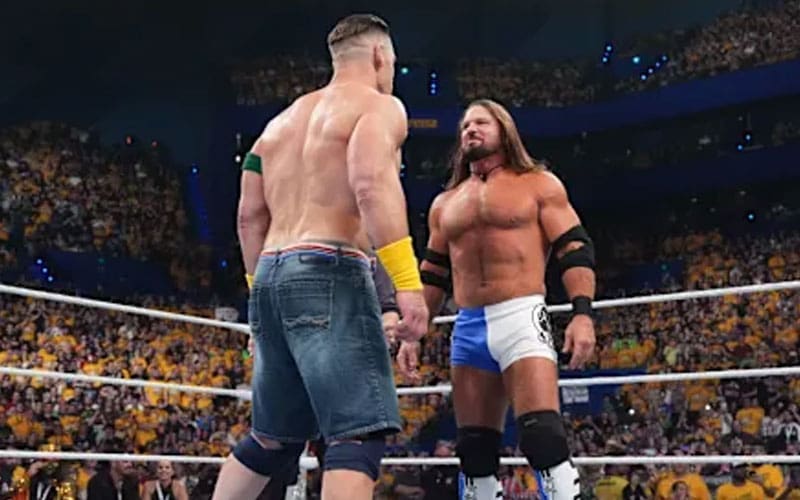
While Cena was in the Midwest, AJ Styles made his own rounds at Nattie’s Dungeon in Florida. We are seeing a pattern. Veterans understand the television product is evolving toward faster, more strike-heavy sequences that older systems often ignored. They are taking their knowledge directly to the source to calibrate the next class of roster members.
The lack of formal institutional coaching at this level highlights a missed opportunity for the company. These seminars shouldn't be occasional events. They should be the primary curriculum. If the industry wants to stop leaking talent that cannot adapt to the 20-minute window on television, they need to formalize these interactions rather than leaving them to be scheduled by the students themselves.
Looking forward
Cena’s involvement specifically post-retirement carries weight. He has nothing to prove in the ring, yet he is choosing to spend his time on the mats of a private school. Whether this foreshadows a full-time training role in the future is purely speculative, but the effort is noted.
My prediction: We will see an uptick in the technical polish of the new crop graduating by late 2027. The students involved in these five-hour sessions will likely reach the main roster at least 18 months faster than their predecessors. It is an investment in quality control that the business has ignored for far too long, and it is finally paying dividends.
Read Next
- John Cena is trading the main event for the wrestling classroom
- John Cena's retirement transition hits the training mat
- Nostalgia booking remains WWE’s most dangerous habit
- Top 10: The Pro Wrestling Moments That Defined the Last Twelve Months
- 🏆 WrestleMania 41 — Full Coverage Hub
- 👴 John Cena Retirement Tour 2026