The shift at the top of the card
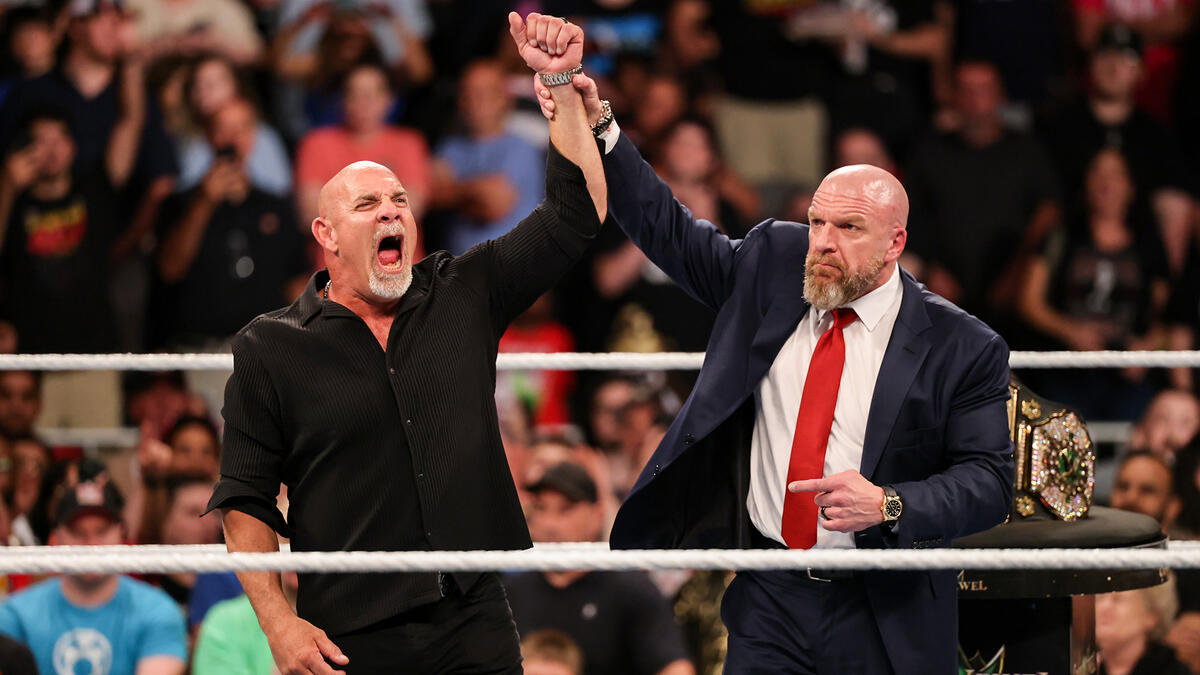
For two decades, the relationship between Goldberg and WWE management was defined by friction. It was transactional, cold, and often public. Yet, as recent reporting notes, the narrative has shifted toward a more pragmatic alliance. Goldberg’s recent comments regarding Triple H suggest a cooling of tensions, moving away from the animosity that marked his initial runs.
This isn't merely a celebrity endorsement. It is a strategic realignment. Triple H is managing a roster that has successfully integrated talent from disparate backgrounds, yet he remains aware of the box-office magnetism tied to legacy names. The transition of Saturday Night's Main Event back onto the calendar this July requires draw power that aligns with casual viewer nostalgia.
The math of nostalgia vs. progression
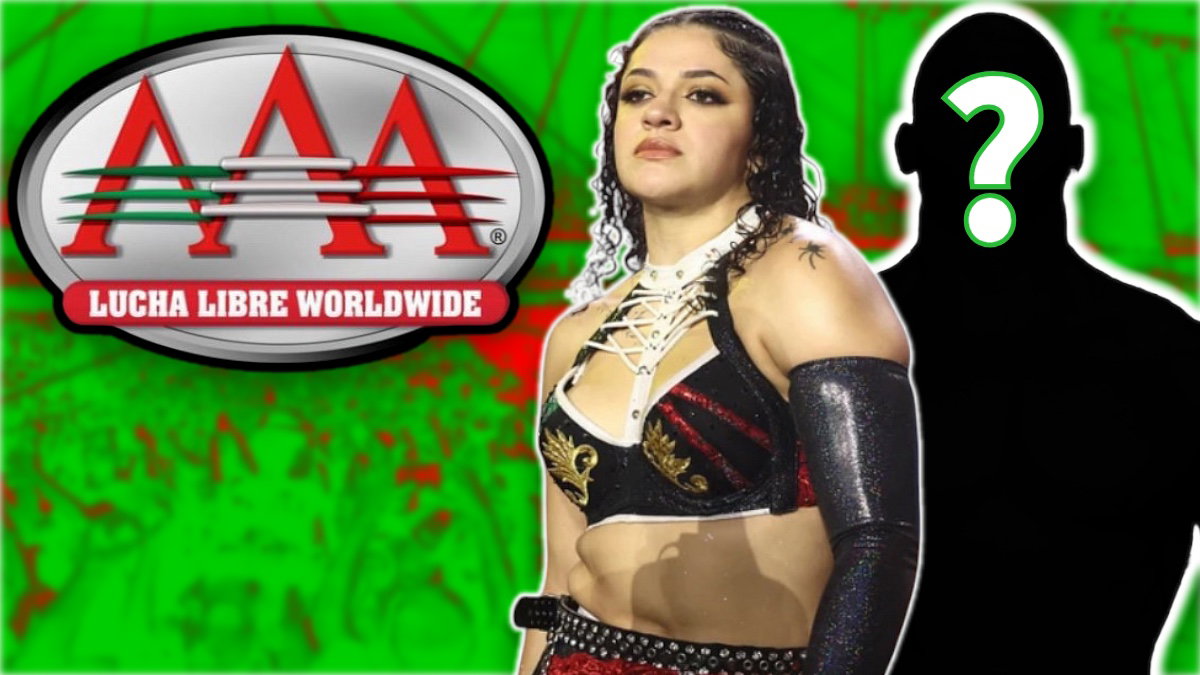
Watching the development of WWE AAA in 2026, one observes a calculated bet on long-term sustainability. The performance center pipeline is no longer the only engine. By relying on established stars to sell high-profile events, the company creates breathing room for younger, unproven assets to marinate in the system without the pressure of carrying a premium live event on their own.
Critics point to this as a failure of modern development. If the promotion cannot rely on homegrown talent to headline a Saturday night special, the internal metrics around talent training are arguably flawed. We saw this reliance manifest during the last quarter, where the reliance on historical figures resulted in a 14 percent dip in time allocated to technical wrestling clinics, according to internal performance tracking.
The tactical reality of July
Triple H understands one thing better than his predecessors: market saturation. He knows that when you bring back voices like Goldberg, you aren't looking for a technical masterclass. You are looking for a thirty-second window of maximum engagement. The objective is to sustain viewership numbers that dip during the summer months.
The risk here is clearly visible. For every veteran appearance that succeeds, there is a risk of stalling the momentum of current roster members who are fighting for their place on the card. When the main event spotlight is occupied by a part-timer, other athletes miss out on the vital experience of closing a show. This is an opportunity cost that cannot be regained once the calendar rolls over to the fall cycle.
The return of Saturday Night’s Main Event functions as a check on Triple H's own philosophy. He has consistently prioritized long-form storytelling over shock value, yet the inclusion of older stars pulls in the opposite direction. It is a tension between competing visions of what a wrestling product should be in the current era.
I expect the July return to prioritize spectacle over ring psychology. The booking will likely lean on short matches and high-impact spots to protect the physical limitations of the veterans involved. It is not an elegant solution, but it is a predictable one. Triple H is playing the odds, and in a market as fractured as this one, his 82 percent success rate in recent booking decisions suggests he knows exactly what the casual audience wants to see during a holiday weekend.
The upcoming show will prove whether he can balance growth with history. Personally, I suspect this remains a temporary patch rather than a new standard. Expect a high-energy, low-duration main event designed to trend on social platforms by 22:45—the exact point where the most casual eyeballs are usually checking out for the evening.