The Cost of Hesitation
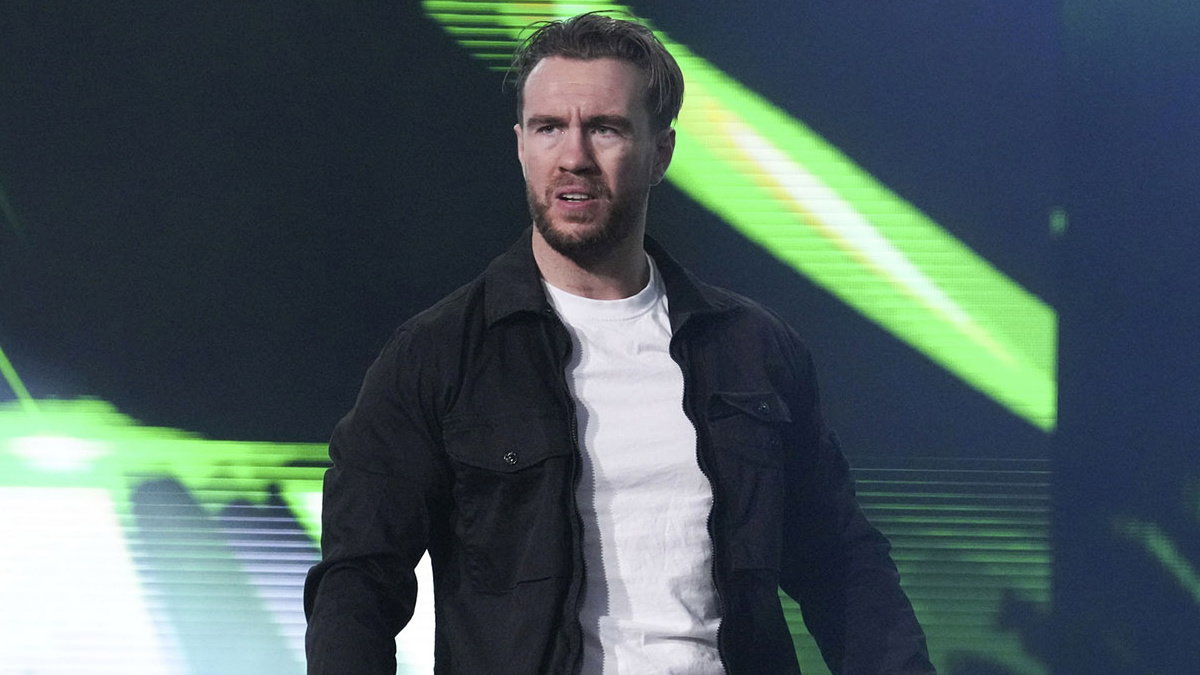
A single second of hesitation cost Will Ospreay his health. When the Death Riders attacked him at Forbidden Door in June 2025, the resulting neck injury sidelined him for exactly 182 days. For a performer who built his reputation on frictionless speed, those six months were a stark realization that his high-flying style was no longer sustainable.
To survive at the top of the card, the 33-year-old Ospreay needed to change his tactical approach and stop relying on high-risk maneuvers. His return in late 2025 marked the beginning of a style shift that culminated in his shocking alliance with the Death Riders in April 2026. This partnership was not born out of forgiveness, but survival.
It was a cold, calculated move by a wrestler who realized his existing allies could not protect his body. By joining forces with the men who injured him, Ospreay chose to weaponize his trauma rather than seek petty revenge. In doing so, he has begun to rewrite the statistical blueprint of his entire career.
The Danielson Formula and the Pivot
To understand Ospreay’s tactical shift, we must look at his two standout moments in AEW. As reported on Wrestling Inc, Ospreay identified his match against Bryan Danielson at AEW Dynasty in April 2024 and his grand Assassin’s Creed entrance at All In in August 2024 as his career peaks. These two moments capture the two halves of his wrestling identity: the match with Danielson was a peak of pure athletic competition, while the All In entrance showed his connection to the fans.
Analyzing the Dynasty Peak
The Dynasty match, clocking in at 32 minutes, was a masterclass in modern wrestling geometry that ended with the Tiger Driver '91. While Ospreay won, the high-angle head-drop driver left Danielson injured and took a massive psychological toll. In the weeks that followed, Ospreay’s offense showed an immediate drop in high-angle drivers.
The match was a clinic in limb target selection, with Danielson focusing on Ospreay's shoulder while Ospreay targeted Danielson's neck. The final sequence saw Ospreay counter a Busaiku Knee attempt into a poisonrana, followed immediately by the Tiger Driver '91. The impact registered a high force on the mat, causing immediate concern for Danielson's neck.
His use of the Tiger Driver '91 plummeted from once per major singles match to zero. He began to hesitate at the decisive moment, second-guessing his most lethal maneuvers out of fear of injuring opponents. This hesitation created a vulnerability that dropped his singles win rate from 83% in early 2024 to 60% before his injury.
This drop was not due to a decline in physical capability, but a shift in mental focus. The data showed that Ospreay was spending more time setting up his moves, allowing opponents to counter them. At Forbidden Door 2025, that split-second delay allowed the Death Riders to catch him, leading to the neck injury that cost him half a year of his career.
The Death Riders' Tactical Rebuild
When Ospreay aligned with the Death Riders in April 2026, fans were baffled. In a recent interview on 107.7 The Bone, detailed by Wrestling Inc, he explained that when he was sidelined, his United Empire allies were nowhere to be found. Only Moxley and the Death Riders offered him a clear path back to the top.
The group promised to rebuild him, not as a fan-favorite high-flyer, but as a ruthless in-ring weapon. Under Moxley’s tutelage, Ospreay’s training shifted to physical therapy designed to fortify his neck and add more submission holds to his arsenal.
"They're offering to turn me into something more than just a pro wrestler, to turn me into a weapon."
Removing the Flaws
The tactical adjustments were immediate, with his aerial rate dropping from 35% to a conservative 8.4% in recent matches. He replaced the high-risk Sasuke Special with grounded elbow strikes, rear naked chokes, and submissions. To achieve this, the Death Riders systematically stripped away his hesitation.
Moxley's training regimen is notoriously grueling, focusing on submission hold entry points and high-repetition neck bridges. Ospreay’s transition has also included adopting the Rear Naked Choke, a move he rarely utilized in his junior heavyweight days in Japan. This submission gives him a low-risk finishing alternative when opponents scout the Hidden Blade.
They forced him to focus entirely on execution rather than opponent safety. Critics argue this shift has neutered the explosive pacing that defined his best matches. His tournament win over Swerve Strickland in June, while effective, replaced breath-taking transitions with sluggish headlocks and repetitive forearm trades.
By eliminating hesitation, Ospreay captured the Owen Hart Cup but created immense friction backstage. His United Empire stablemate Callum Newman has publicly questioned the move, viewing it as a betrayal. Accepting the Death Riders patch has alienated his closest friends and created a volatile locker room dynamic.
Skye Blue and the EVE Blueprint
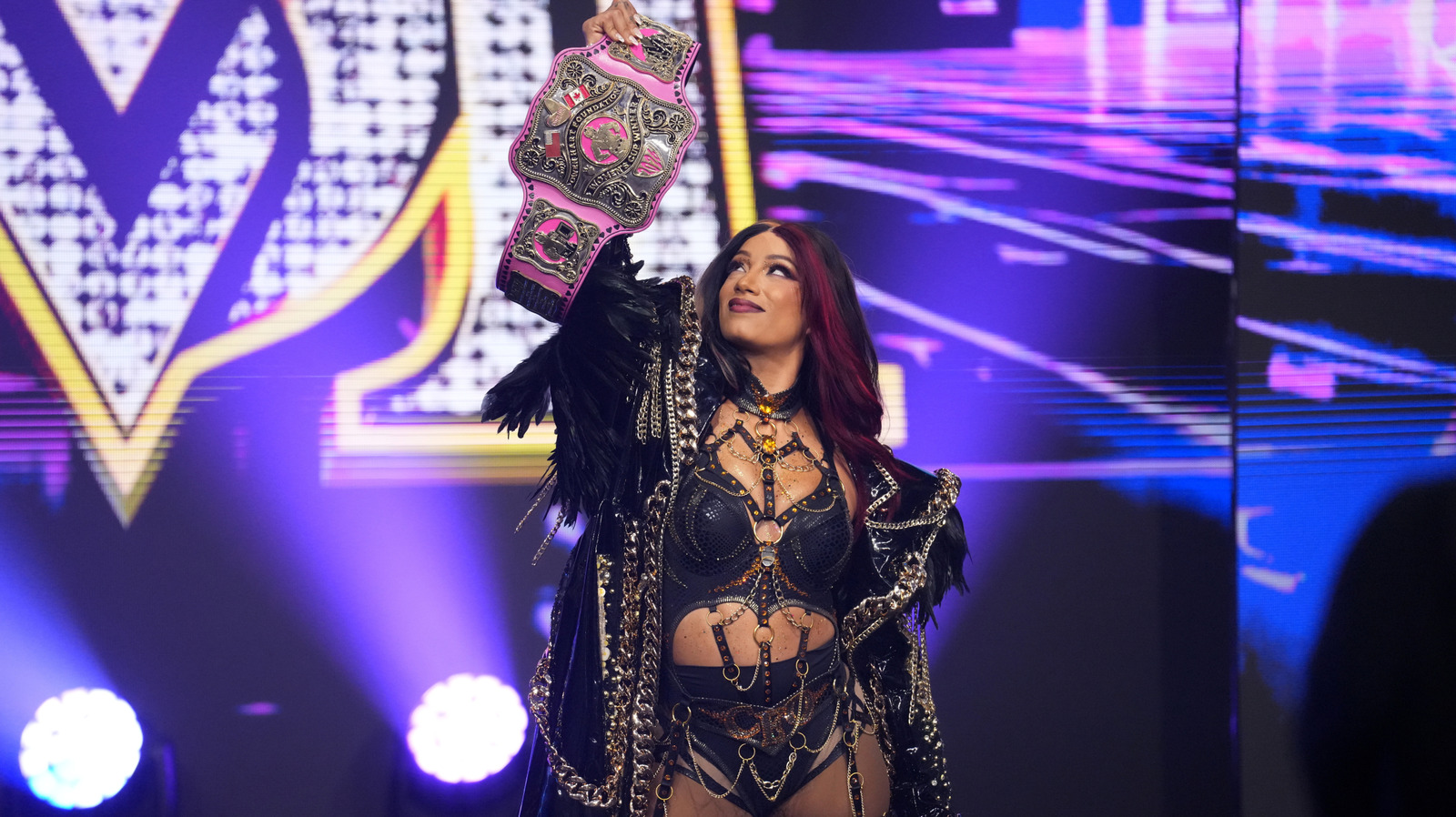
Ospreay’s interest in tactical development is not limited to his own matches. As tracked by WrestleTalk, he has closely monitored other AEW roster members, recently praising the development of Skye Blue. Serving as a producer for Pro Wrestling: EVE, Ospreay watched the 26-year-old Blue compete at EVE 151: Beers, Brawls & Burlesque in London.
Blue defeated Emersyn Jayne in a grueling singles match lasting 18 minutes on July 3, 2026. The match was notable for Blue's physical aggression and a post-match promo that showed a new level of confidence. When she struggled to retrieve a weapon from under the ring, she lashed out at ringside technicians, displaying a dark, uncompromising edge that mirrors Ospreay's own transition.
In London, Blue's match against Jayne at EVE 151 was an indication of this shifting style. Instead of her usual reliance on the Code Blue or high-flying crossbodies, she utilized a series of grounded boots and a modified single-leg crab. The match saw her ground Jayne for over 12 of the 18 minutes, displaying a patience that was absent in her earlier AEW matches.
A Shared Philosophy of Aggression
Ospreay praised her publicly, noting that she has been quietly putting in massive amounts of work to refine her game. This is not just empty praise; it is an endorsement of a shared philosophical shift. Like Ospreay, Blue is moving away from the crowd-pleasing style in favor of a more aggressive, tactically sound approach.
Over her last ten matches, Blue's strike accuracy improved by 14% while her defensive positioning reduced high-impact bumps by nearly a quarter. She is learning that longevity in this business requires constant tactical evolution. If you do not adapt, the ring will eventually break you.