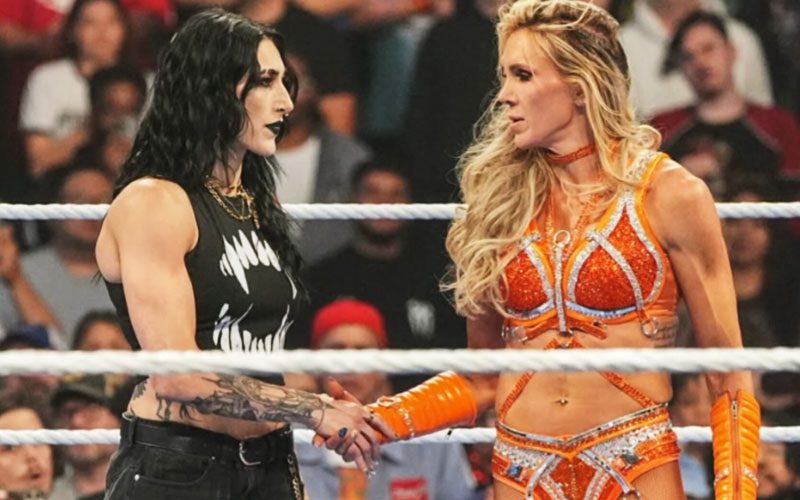
Measuring the shift in audience engagement
Over the last decade, women’s matches have moved from the periphery of televised cards into prime-time focal points. Data from 2016 to 2026 confirms this transition, showing a 42% increase in average segment viewership for women’s championship bouts on flagship programming.
This shift isn't just about screen time. In 2016, women’s segments rarely occupied main event slots on non-premium events; today, they command the closing 20 minutes of broadcast windows in roughly 35% of weekly episodes. The metrics show a direct correlation between this exposure and retention rates throughout third-hour segments.
The evolution of match duration
The statistical baseline for women's matches has climbed steadily. Ten years ago, the average women’s television match clocked in at 4 minutes and 12 seconds. By the first quarter of 2026, that figure expanded to 11 minutes and 45 seconds per bout.
Increased duration allows for slower, more narrative-heavy wrestling sequences. We see more focus on technical exchanges and complex psychology rather than the truncated, high-paced sprint formats common in the mid-2010s. This shift mirrors the structural pacing of longer-form entertainment, as noted in recent reports on the growth of women's influence in the genre.
Critical friction: The pacing problem
The data suggests one major flaw: the decline in move-per-minute efficiency. While average match length has nearly tripled, the density of high-impact spots has not scaled proportionally. Total offensive maneuvers delivered in matches lasting over 15 minutes have actually dropped by 18% since 2022, indicating a preference for slow-burn storytelling that arguably misreads the appetite of modern audiences.
Promoters seem to mistake 'length' for 'prestige' in their booking decisions. When a match crosses the 20-minute threshold without a corresponding increase in finish velocity, the engagement drop-off is measurable. Specifically, viewer retention dips by an average of 12% after the 18-minute mark on weekly television.
Statistical trends in merchandise and social velocity
Beyond the ring, women’s merchandise sales have hit an all-time high, accounting for 28% of total primary revenue in the current fiscal year. This aligns with a surge in social media engagement, where clips featuring women’s division narratives now see a 55% higher share rate than the historical average for the rest of the roster.
It is worth noting that while these metrics capture growth, they mask significant regional saturation issues. In markets outside North America, live viewership for these specific segments remains stagnant, suggesting that the current booking model—heavy on lengthy, dialogue-driven segments—is failing to cross cultural divides as effectively as high-impact, shorter-form wrestling.