The noise behind the spotlight
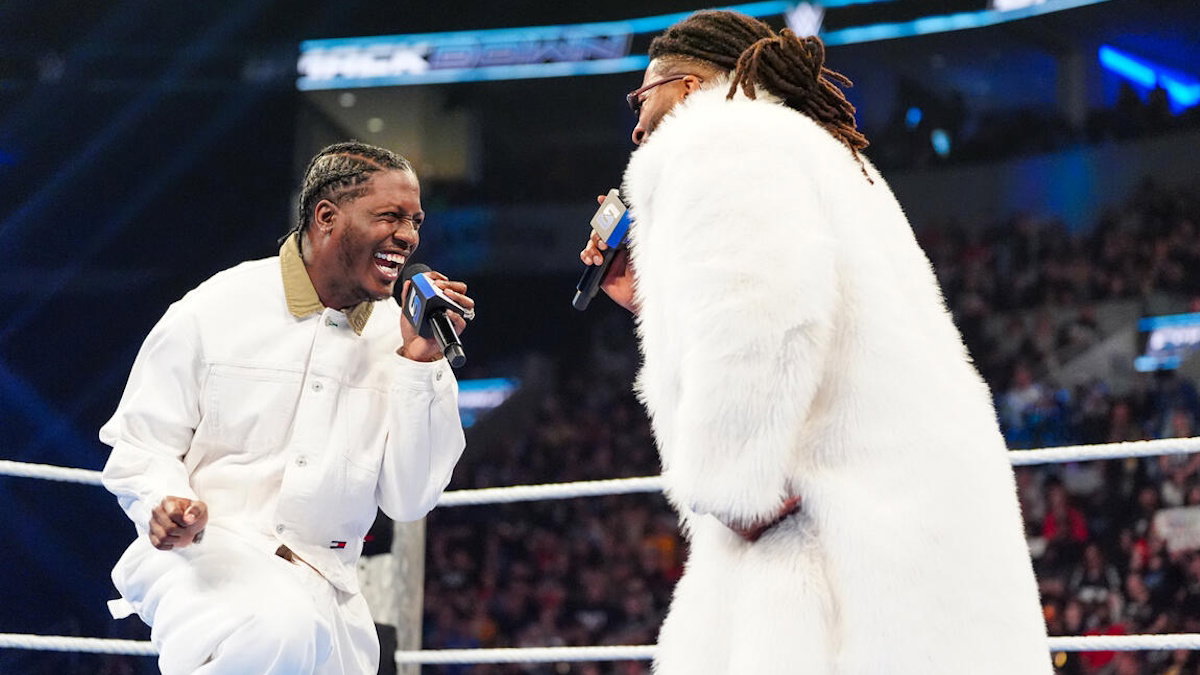
April 2026 finds the wrestling industry grappling with a recurring question. Why does the proximity of mainstream celebrity culture consistently trigger such a volatile reaction from the core audience? This week, Lil Yachty pushed back against a groundswell of online dissent regarding his ongoing presence within WWE programming.
The discourse surrounding WrestleMania 41 is shaping up as WWE's biggest moment in years, yet the promotion feels compelled to validate its mainstream reach through non-wrestler involvement. We are thirteen days out from the spectacle in Las Vegas, and the promotional machine is running hot.
Reframing the Hall of Fame debate
While the card is rounding into form, the chatter surrounding peripheral involvement has reached a boiling point among the hardest of hardcore fans. Specifically, the recurring questions regarding celebrity guests have become a primary friction point. It is a distraction from the historical discourse that often dominates this time of year.
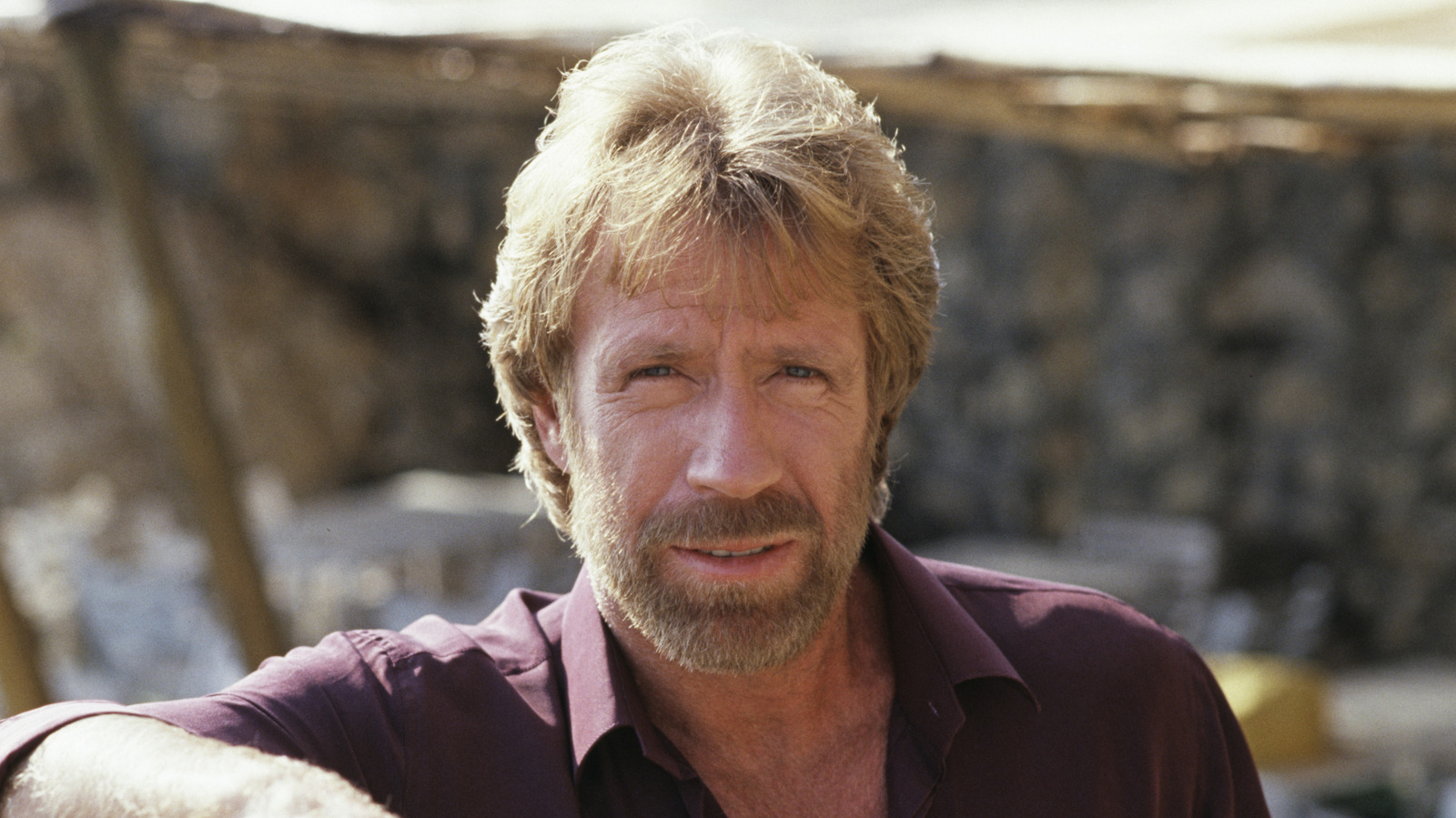
For instance, recent discussions about the WWE Hall of Fame have shifted toward legacy rather than optics. A former WWE World Champion recently argued that Sable and the late Chuck Norris deserve induction. This highlights a desire for institutional recognition based on specific industry contributions rather than market-friendly crossover appeal.
The cost of the spectacle
The danger the celebrity trap remains a dangerous game for WWE when it compromises time allocation. Fans invest in the ring work. They look for tactical excellence, such as a crisp chain-wrestling sequence or a high-stakes reversal that ends in a 2.9 second count. Every minute spent on a musical performance or a scripted interaction with an outsider is a minute stripped from the technical buildup of the undercard.
The criticism regarding Lil Yachty stems from this scarcity. If the main event requires a 30-minute block to tell a coherent story, the margins for error are thin. When those minutes are diverted to celebrity segments, the professional identity of the show suffers.
Looking toward Las Vegas
As we approach April 19, the focus should remain on the physicality. The mid-card title matches are currently the strongest indicators of show quality. I expect the opening contest of Night 1 to set the tone, likely featuring a high-velocity style to mask potential fatigue in the roster after a grueling road to Las Vegas.
My prediction for the main event of Night 2 is a narrow victory for the incumbent, provided the finishing sequence avoids outside interference. If WWE follows the pattern of their most successful stadium outings, they will stick to the core athleticism that defined the early months of 2026. If they lean too heavily into the celebrity spectacle, they risk alienating the audience that bought the tickets to see professional wrestling, not a crossover vanity project. I predict they stick to the fundamentals, but the risk of a momentum-killing segment remains over 50 percent throughout the broadcast weekend.