The scheduling friction between Stamford and Jacksonville
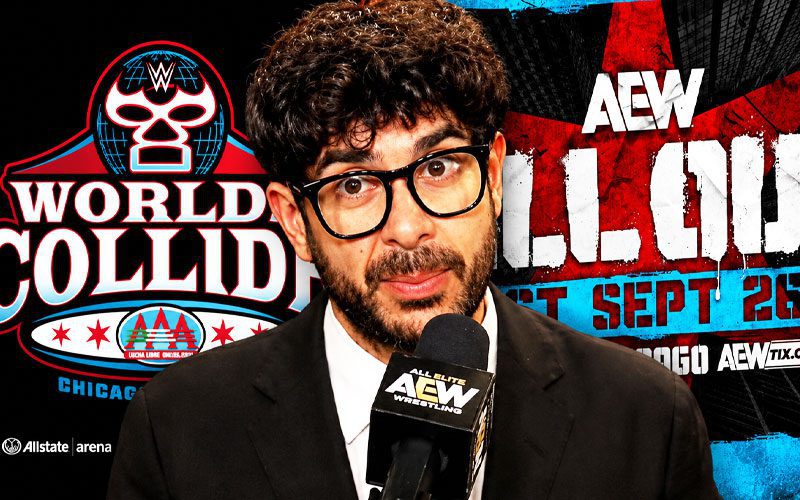
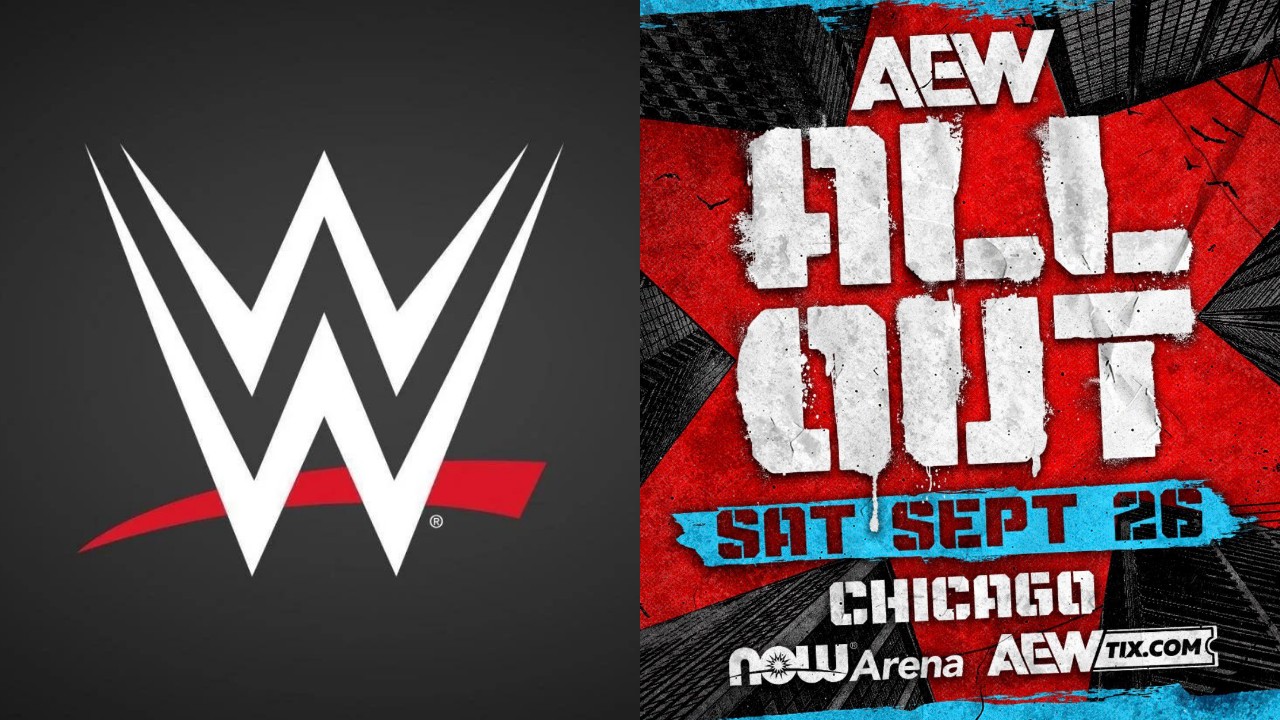
The industry is buzzing again because someone in a boardroom decided that two major events should occupy the same weekend. WWE Worlds Collide and AEW All Out are currently slated for similar windows, a move that forces fans to choose their allegiance rather than indulging in both products. This date collision, as reported by PWInsider, ignores the reality of modern viewing habits.
We have moved past the era where fans had to pick a side. Most households now manage subscriptions to multiple streaming services, yet the promoters insist on these bottleneck events. It creates a logistical nightmare for those covering the industry and fragments the collective attention span of the viewership base.
Why head-to-head competition hurts the product
When two massive cards run simultaneously, neither reaches its full potential in terms of noise or discourse. The audience is split across digital platforms and live venues. This results in diluted social media reach and a splintered narrative thread that makes long-term storytelling harder to track.
If we look at the logistics, running Worlds Collide against All Out forces a scarcity of attention. It is a dated strategy that belongs in the era of physical tapes rather than the current subscription model. Promoters are fighting for market share in a way that actively degrades the experience of the average fan who just wants to see both rosters work.
The flaw in the current booking logic
Beyond the scheduling, there is a lack of cohesion regarding internal consistency. If a card is booked to deliberately sabotage a rival, the quality of the wrestling often drops to accommodate the marketing strategy. We saw this at previous iterations of these events where segments were rushed to hit specific time slots meant to bleed off the audience from the other program.
The execution of these shows deserves scrutiny. Booking a 10-man tag team match just to fill time while a championship bout is occurring on another network is a disservice to the athleticism on display. It turns wrestlers into pawns in a proxy war instead of letting them maximize their own momentum.
The outlook for the upcoming weekend
My prediction is simple: the audience will largely ignore the secondary programming from both sides to focus on the marquee championship bouts at All Out. Unless WWE surprises us by stacking the Worlds Collide undercard with surprise returns, AEW holds the edge simply because they have built more equity in their late-summer event branding over the last few years.
The decision to hold these events concurrently is an act of stubbornness, not strategy. Expect the viewing figures to be lower for both than if they had been spaced out by even one week. Sometimes the best move in a competitive market is to let the other side play their hand while you clear the room for yours.