The diminishing returns of the Wednesday night experiment
WWE’s recent strategy to run premium live events or stacked television cards directly against AEW schedule windows is feeling increasingly desperate. It reeks of a promotion that spent too long in a vacuum. By forcing a collision course, they are treating the audience like a monolith that can be controlled rather than a diverse demographic with wandering eyes.
We saw this behavior years ago during the original Wednesday Night Wars, but the current market data suggests the fan base is less tethered to corporate loyalty than ever. Scheduling battles don't grow the pie; they just scramble for the same fixed audience members. The numbers don't lie, and the fatigue is visible in the drop-off of crossover engagement during the third hour of these head-to-head blocks.
The missed opportunity for creative autonomy
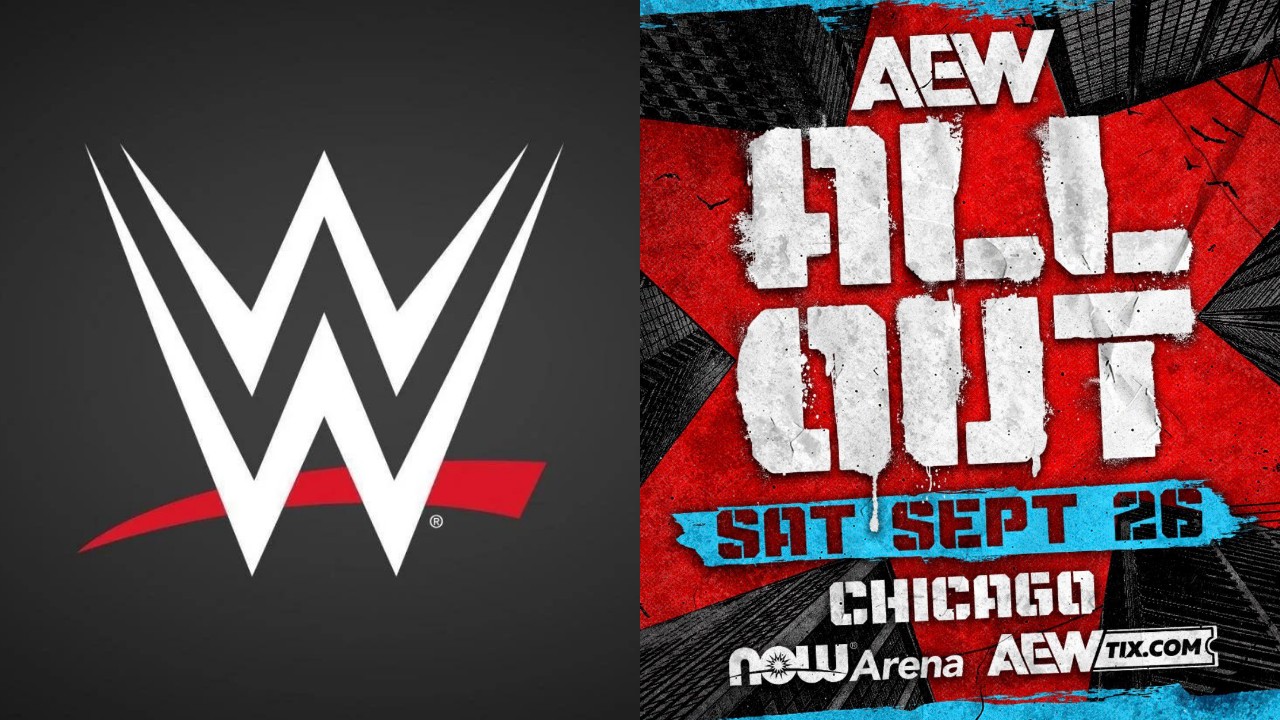
The core issue is that WWE is choosing reactive booking over proactive storytelling. Instead of refining their own narratives, they are checking pulse rates across the aisle. This leads to hurried finishes and roster bloating just to stop the other guys from gaining a headline. As Dave Meltzer recently noted, the decision to oppose AEW pay-per-view windows with active counterprogramming feels fundamentally questionable from a business standpoint.
It complicates the viewing experience for the die-hards who want to see both products get their flowers. When WWE forces a clash, the secondary show often suffers from truncated segments or matches that lack the breathing room required for a satisfying climax. A ten-minute scramble match on NXT cannot replicate the pacing of a well-baked sixty-minute ironman main event.
Predicting the inevitable cooldown
Management will likely claim these strategies generate conversation, but the engagement metrics rarely hold up past the initial social media chatter. I expect WWE to pivot away from this specific brand of aggression within six months because the ROI on stealing twenty thousand viewers isn't worth the production cost of inflating their own card. The focus should return to tightening match pacing and eliminating the filler segments that plague their Tuesday night output.
The current booking frequency is high, yet the hit rate on significant angles feels lower than last year. We are seeing too many non-finishes used to protect records that nobody outside of a spreadsheet actually cares about. If they don't stop the constant peripheral checking, they risk losing the narrative momentum they built through late 2025. It is time to stop playing defense and start putting on shows that don't need a counter-argument to feel relevant.