The complacency trap
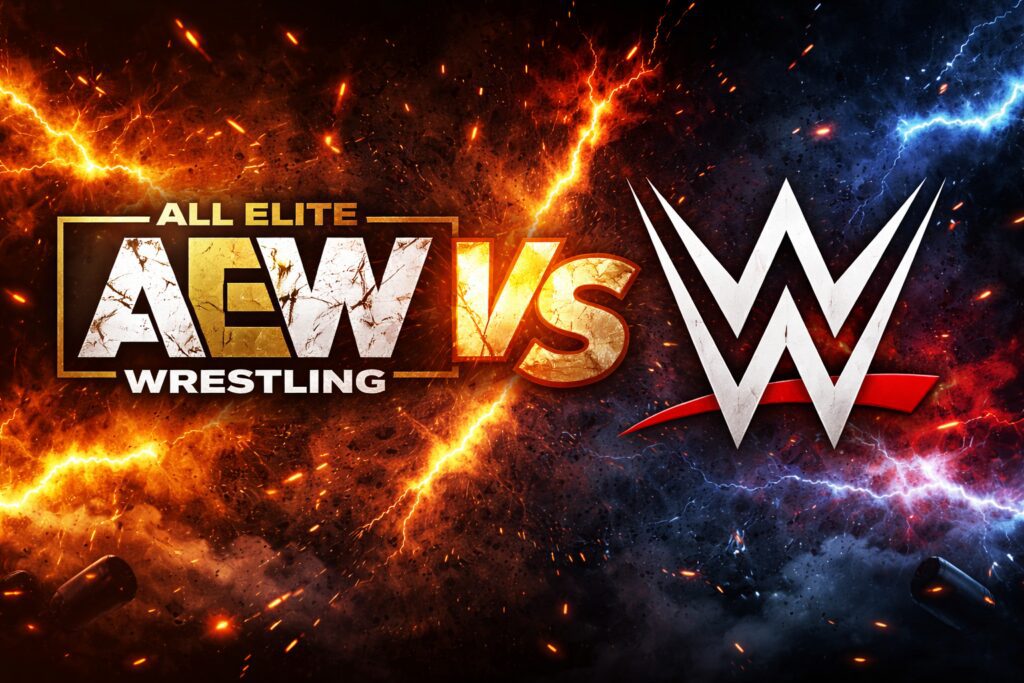
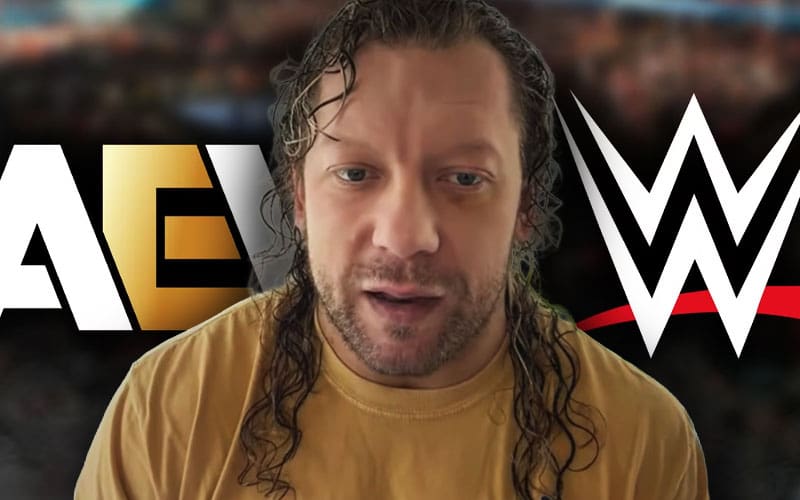
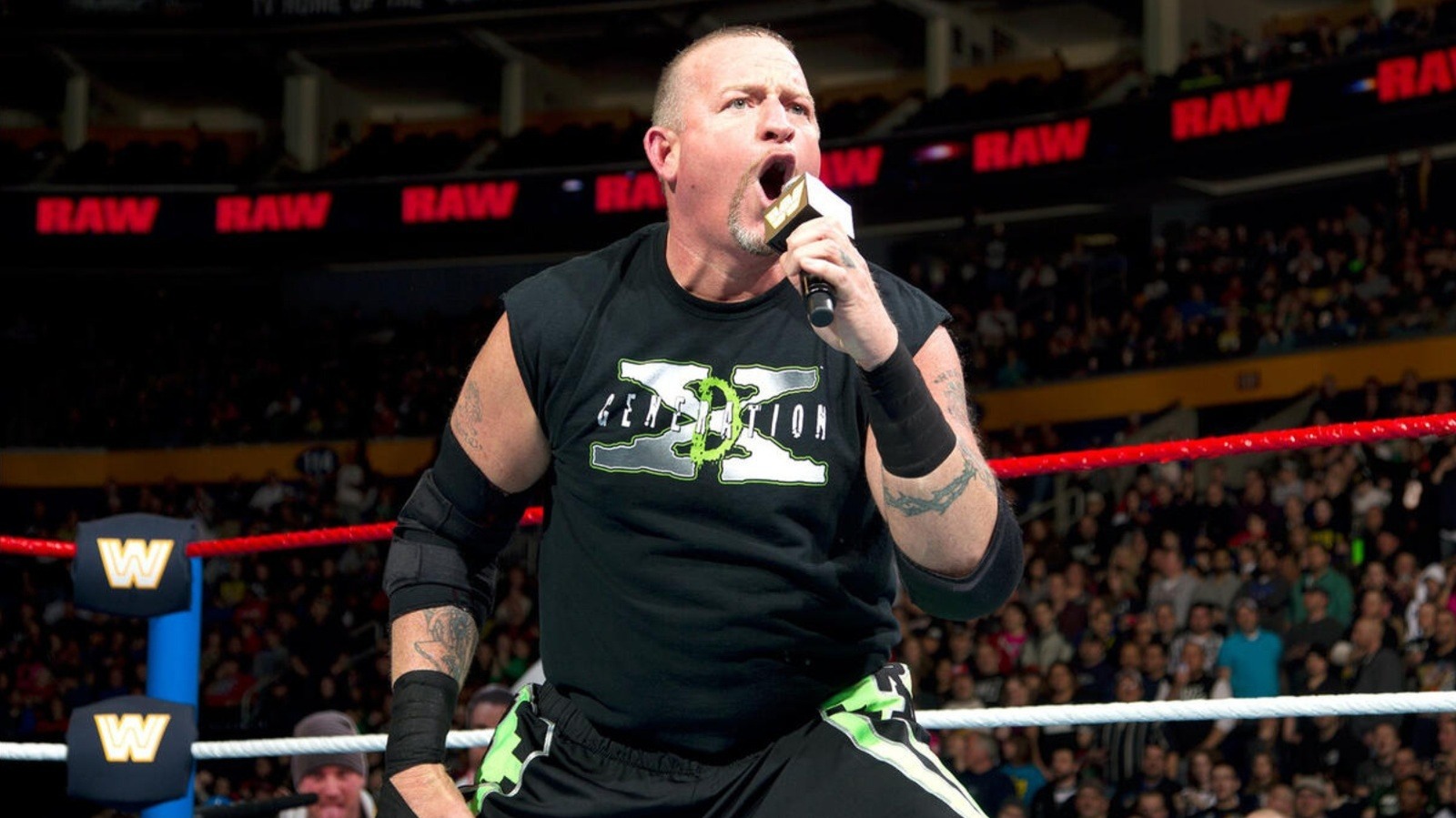
Road Dogg recently went on record suggesting that WWE historically dismissed AEW as a legitimate rival. From a tactical standpoint, this indifference is starting to look like a massive oversight. When you ignore your secondary market influence, you lose the ability to counter-program effectively.
WWE maintains a massive institutional advantage in terms of production value and historical reach. However, relying solely on that legacy is a dangerous game. As recent industry analysis suggests, the internal culture at Stamford seems to prioritize self-preservation over market agility.
The cost of ignoring the challenger
Ignoring a rival while they actively poach your talent pool and viewership share is not confident—it is negligent. We saw this play out in the 1990s, and the hubris of the mid-90s WWF nearly bankrupted the entire operation. By the time they adjusted their creative output, they had already conceded nearly 80 consecutive weeks in the ratings war.
The current WWE model relies on a polished, high-fidelity presentation. Yet, the audience interest, particularly in the 18-49 demographic, shows signs of fatigue. When the product is treated as an unquestioned market leader, storytelling begins to stagnate. We lose the desperation that fuels high-stakes booking.
Predicting the inevitable correction
I anticipate a shift in tone from the front office by the end of the year. The current strategy of total dismissal will eventually collapse under the weight of quarterly earnings reports. When that pressure becomes 100 percent unavoidable, WWE will finally acknowledge AEW as a formal threat.
Investors usually prefer a monopoly, but the lack of true competition leads to lower-quality content. I am predicting a major narrative pivot before the next broadcast rights cycle hits high gear. They will have to sharpen their creative, diversify their booking, or risk losing their grip on the casual viewer entirely.
A flawed internal culture
The arrogance inherent in Road Dogg’s comments is symptomatic of a larger issue. Too many decision-makers are insulated from the reality of how quickly a fanbase can migrate. If you are not constantly iterating, you are effectively choosing to fall behind. That is just basic economics.
Booking has become repetitive, relying on safe, recycled tropes rather than taking risks. Without a genuine sense of urgency, the match quality suffers. We are left with high production costs but diminishing returns on consumer retention.