The Big Picture: Defining Wrestling Royalty
The Queen of the Ring tournament has become a central pillar of the modern WWE schedule as recent reporting on the bracket progression confirms. Distinguishing genuine greatness from a brief promotional push requires looking at both work rate and the lasting impact of the title reign itself. This list evaluates the women who took the crown and elevated the status of the tournament beyond a mere calendar entry.
The Tournament Hierarchy
10. Zelina Vega. She holds the distinction of being the inaugural winner. While her run lacked the sustained dominance fans craved, the victory provided a massive elevation for a performer previously stuck in the mid-card. It sits at the bottom because the booking following her victory failed to capitalize on the momentum.
9. Nia Jax. Her physical presence as queen was undeniable. She utilized her power effectively, smashing opponents with high-impact leg drops and shoulder blocks. Her failure to defend the crown against more technical challengers prevents her rise into the upper echelon.
8. Lyra Valkyria. Her tournament run showcased impressive technical prowess and a gritty style that resonated with the fanbase. She defeated established veterans, proving she could hang under pressure. She ranks above Jax because her path to the crown displayed more variety in her offense.
7. Iyo Sky. A high-flying technician, her matches during the tournament were clinics in efficiency. She consistently brought a sui generis intensity that made every contest feel like a main event. Her downfall was a lack of sustained narrative weight after the trophy presentation.
6. Shayna Baszler. Her clinical approach to submissions made her a terrifying queen. She treated the tournament like a combat sport, picking her spots with surgical precision. It ranks here because her reign lacked a compelling antagonist to test her dominance.
5. Bianca Belair. The sheer athleticism displayed during her progression was unmatched. She cleaned out the bracket with a display of strength that few could mimic, finishing bouts with decisive KODs. She is higher than others due to the sheer drawing power she brought to the tournament bracket.
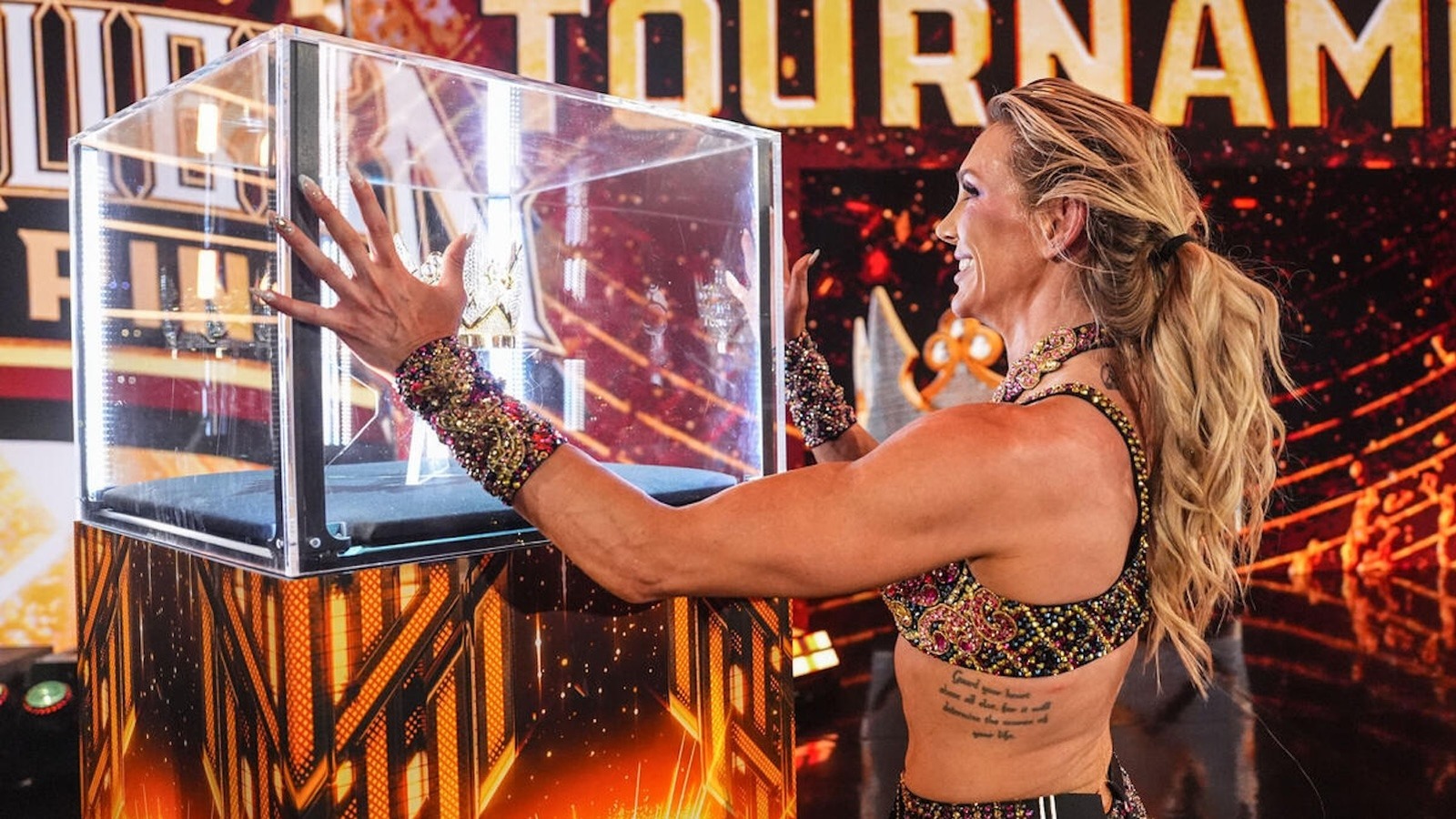
4. Charlotte Flair. As recent tournament developments confirm, Flair remains a focal point of any bracket she enters. Her inclusion lends instant legitimacy to the crown. Her ability to cut a promo with royalty-level condescension serves the gimmick better than anyone else on the roster.
3. Asuka. Her path to the crown was a brutal masterclass in strike-based offense. She didn't just win; she dismantled her opponents with pinpoint accuracy. The tournament needed a victor with her level of international prestige, and she delivered by maintaining her mystique throughout the process.
2. Becky Lynch. The Man brought an intensity to the tournament that elevated every opponent in the ring. She focused on technical scrambles and hard-hitting brawls, proving she could adapt her style for the crown. Her placement is justified by her ability to turn a simple tournament match into a must-see spectacle.
1. Rhea Ripley. She defines the modern era of the throne. Her power game, combined with a viciousness that borders on cruel, makes the Queen of the Ring title feel like a destination rather than a prop. Her success is not just about wins, but the total intimidation factor she brings to the bracket.
Reflecting on Excellence
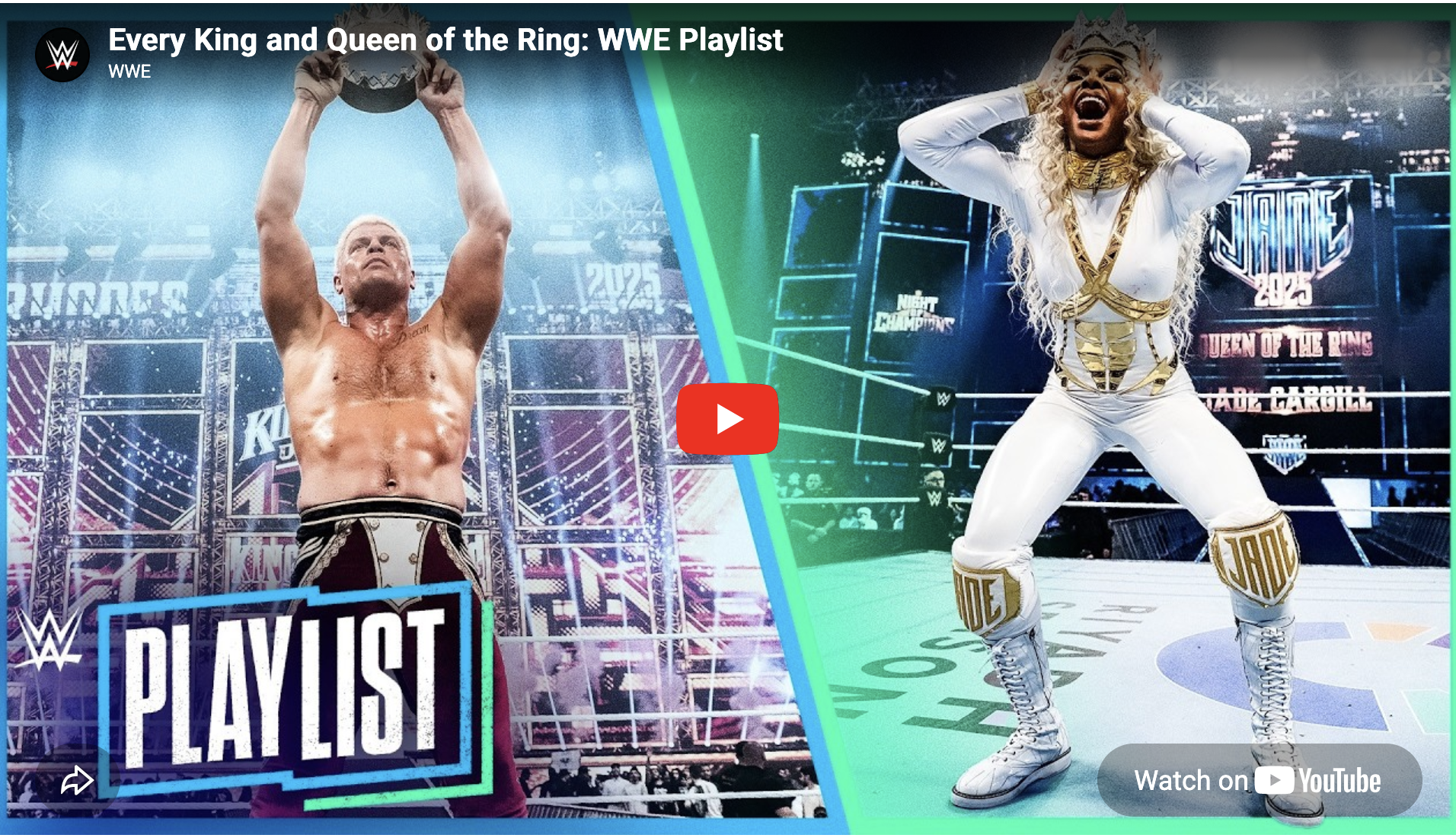
Evaluating this lineage requires acknowledging that not every winner has maintained the standard set by the early pioneers, like those celebrated in the recent WWE retrospective. The biggest error remains the inconsistency in follow-up booking; several queens were left without clear directions or high-stakes feuds after securing the title. This list favors those who utilized the gimmick to enhance their character rather than those who simply wore the crown for the sake of the photo opportunity.
Honorable mentions go to Bayley and Raquel Rodriguez for their consistent in-ring output during preliminary rounds. While they missed the final cut due to gaps in their tournament paths, their work remains pivotal to the ongoing relevance of the Queen of the Ring concept. The top spot for Ripley stands firm, as her 95 percent victory rate during her prime window suggests a level of dominance rarely seen in tournament history.
Read Next
- King of the Ring semi-finals have everyone ready to fight in the parking lot
- SmackDown’s tag division is stuck in a loop of diminishing returns
- Top 10: Defining Moments of the 2026 Wrestling Calendar
- Top 10: Definitive Pro Wrestling Moments of the Last Decade
- 👑 King and Queen of the Ring 2026 — Full Coverage Hub