The WWE-AAA pipeline is officially open for business
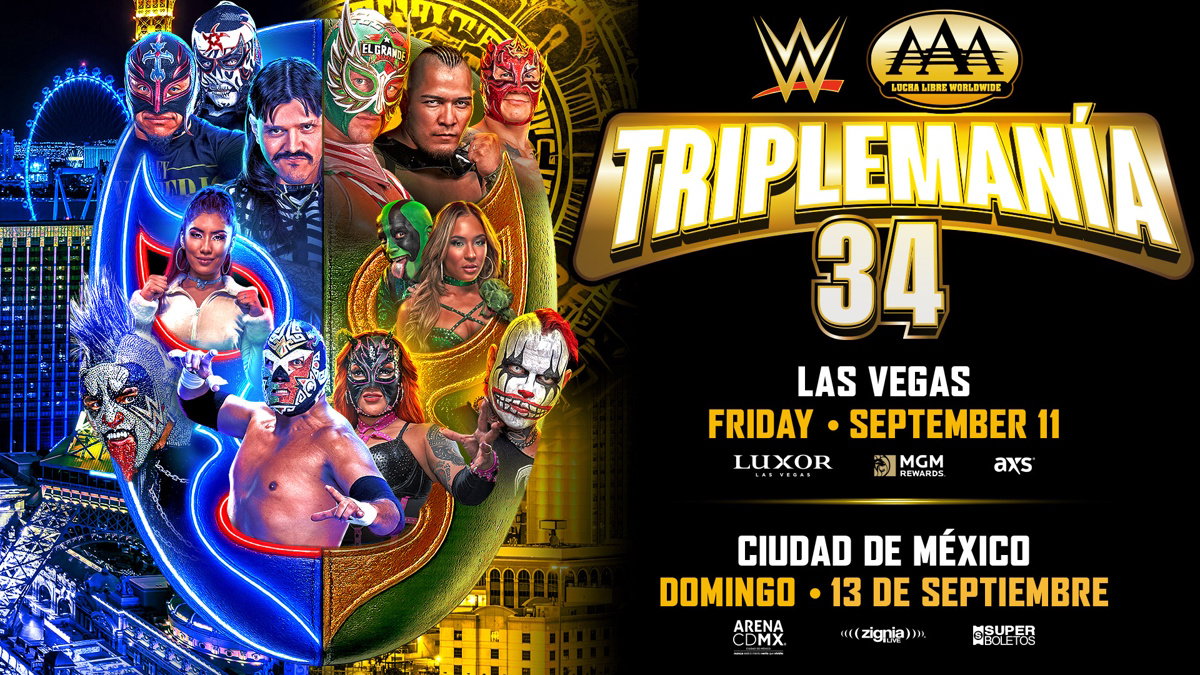
Remember when the idea of a WWE-contracted talent taking a jump to an outside promotion was equivalent to a fever dream? Those days are dead. Since the acquisition of Lucha Libre AAA, the corporate overlords in Connecticut have stopped treating their roster like zoo animals and started letting them roam the wild.
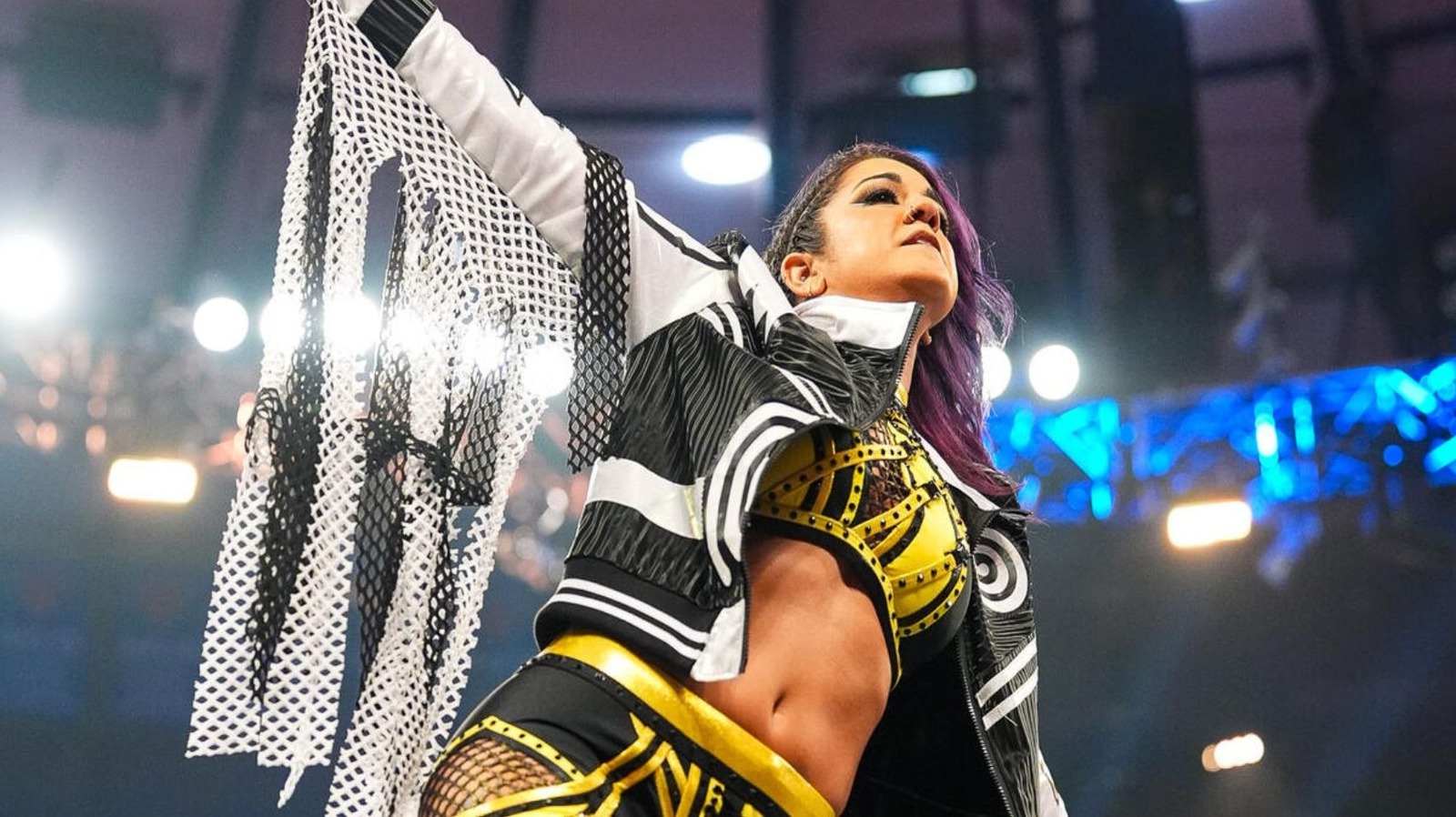
We are seeing main roster staples crossing the border with a frequency that feels like a glitch in the simulation. Dominik Mysterio and Bayley showing up in AAA isn't just about putting on a lucha clinic. It is a calculated move to keep the brand relevant far beyond the American cable footprint.
The travel schedule is getting absurd
Penta and Rey Fenix have been the obvious anchors here, but watching Bayley work a program in Mexico adds a layer of depth to her character we rarely see on internal programming. The issue, however, is the toll this takes on the human body. Wrestling styles in AAA move at a breakneck speed that is significantly different from the methodical cadence of weekly television.
If you catch a recording of the recent events, you will notice the intensity is dialed up to eleven. There is a distinct danger to asking performers to switch gears between distinct styles on a weekly basis. One missed pop-up rana or a botched suicide dive leads to a shelf life ending way quicker than management intends.
As reported by WrestleTalk, the list of names heading south includes talents like El Grande Americano, who are being thrown into the fire early. It suggests that WWE views this not just as a vanity project, but as a legitimate finishing school for mid-carders who need to sharpen their timing.
The booking risks are massive
Let’s call a spade a spade: this feels risky. When you strip away the high-flying spectacle and look at the booking, you realize how thin the margins for error really are. When Dominik Mysterio works a program, the pressure is on the promotion to keep him insulated from injury while maintaining the heat he draws from every crowd.
He caught a lot of flak early in his career for being a pure product of nepotism, but his growth has been undeniable. Putting him in the ring with experienced lucha veterans is a sink-or-swim moment that could go sideways with one bad turn. If a star like Bayley goes down with a torn ACL because of an over-ambitious spot in a venue with less-than-perfect lighting, the optics are going to be a PR nightmare.
Can they actually pull this off?
I track the success of these cross-promotional experiments by one metric: do the fans buy the stakes? If the matches in Mexico are treated as non-canon house show fluff, why should I care? The integration has to be seamless, or it is just expensive cardio for the stars.
So far, the crowd reactions suggest the fans are eating it up. The sheer joy of seeing established WWE names bumping for local legends in smaller, tighter rings is refreshing. It feels like the nineties again, but with higher health insurance premiums.
My biggest gripe remains the lack of clear narrative through-lines between the product in Mexico and what happens on Monday nights. Unless WWE starts tying these outcomes into their primary storylines, it remains a side quest rather than a core game element. They need to commit fully.
We are currently looking at a roster of talent that is being asked to bridge cultural gaps while simultaneously maintaining their domestic status. It is a high-wire act. If this leads to a permanent rotating roster system, the 40-man active roster size might actually be too small to accommodate the travel fatigue. We will see if they keep this momentum up once the novelty wears off.