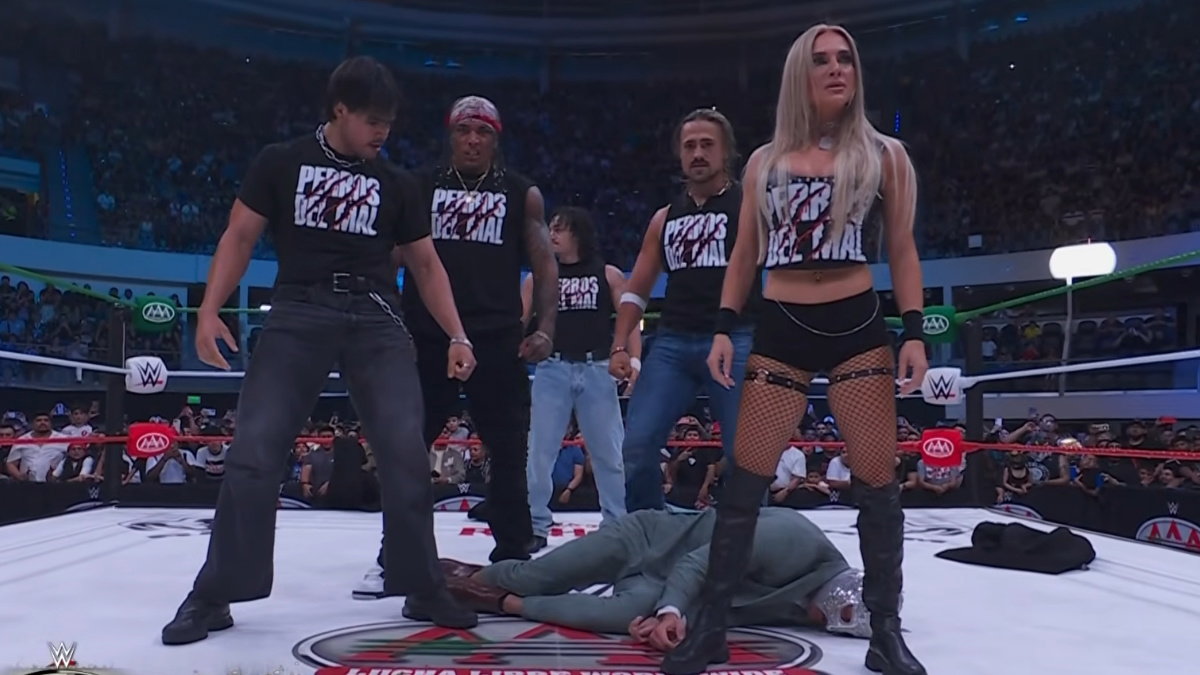
The Merida broadcast reveals a structural dependency
The June 20th broadcast from the Foro GNP Seguro in Merida, Yucatan, proved that Lucha Libre AAA World Wide is trapped in a loop of its own making. While the production values on the FOX Latin America feed are sharper than previous cycles, the actual in-ring storytelling is suffering from a lack of transition. The reliance on established veterans to carry the marquee slots does little to build the next generation of AAA stars.
Reviewing the match flow from the evening, the reliance on high-spots without sufficient transition sequences was evident. In the main event, the pacing fell apart between the 14-minute mark and the finish, creating a noticeable lull in the crowd intensity. When a promotion aims to compete on a global stage, you cannot afford to have three minutes of dead air while workers reset for the next set-piece.
The youth displacement issue
Why the current booking trajectory is unsustainable
Look at the distribution of the card. The talent allocation is skewed toward performers who have been staples of the Mexican lucha circuit for well over a decade. While the skill level of these veterans is undeniable, the window for them to put over younger talent by having them go the distance is closing rapidly. If you track the recent AAA on FOX results, the scarcity of clean finishes involving rising stars is keeping the lower-midcard in a state of purgatory.
There is a recurring issue with the way tag team transitions are being handled. In the second match of the night, the sequence of tags felt mechanical rather than organic, missing the urgent pressing triggers required to keep the audience invested. It is the type of wrestling that looks good in a highlight reel but fails to translate into a cohesive narrative for television.
Predicting the inevitable cooling off
Unless there is a shift in the booking strategy by the time the promotion reaches its next regional tour, the viewership numbers on the WWE and AAA YouTube channels will likely stagnate. The current approach invites viewers to watch for spectacle rather than long-term character arcs. Expect the ratings to hit a ceiling of roughly 0.3 rating points within the target demographic if the current "legacy-first" mentality persists through the summer.
My prediction is that AAA will be forced to undergo a roster re-shuffle before the end of Q3 2026. The current talent density at the top is creating a bottleneck where younger competitors are unable to log the necessary minutes to refine their work, leading to sloppy execution in high-leverage segments. They need to prioritize 15-minute showcase matches for the younger talent, even if it means sacrificing a high-profile veteran match on the weekly broadcast. Without this change, they risk alienating the hardcore audience while failing to capture the casual viewer who demands consistent pacing.