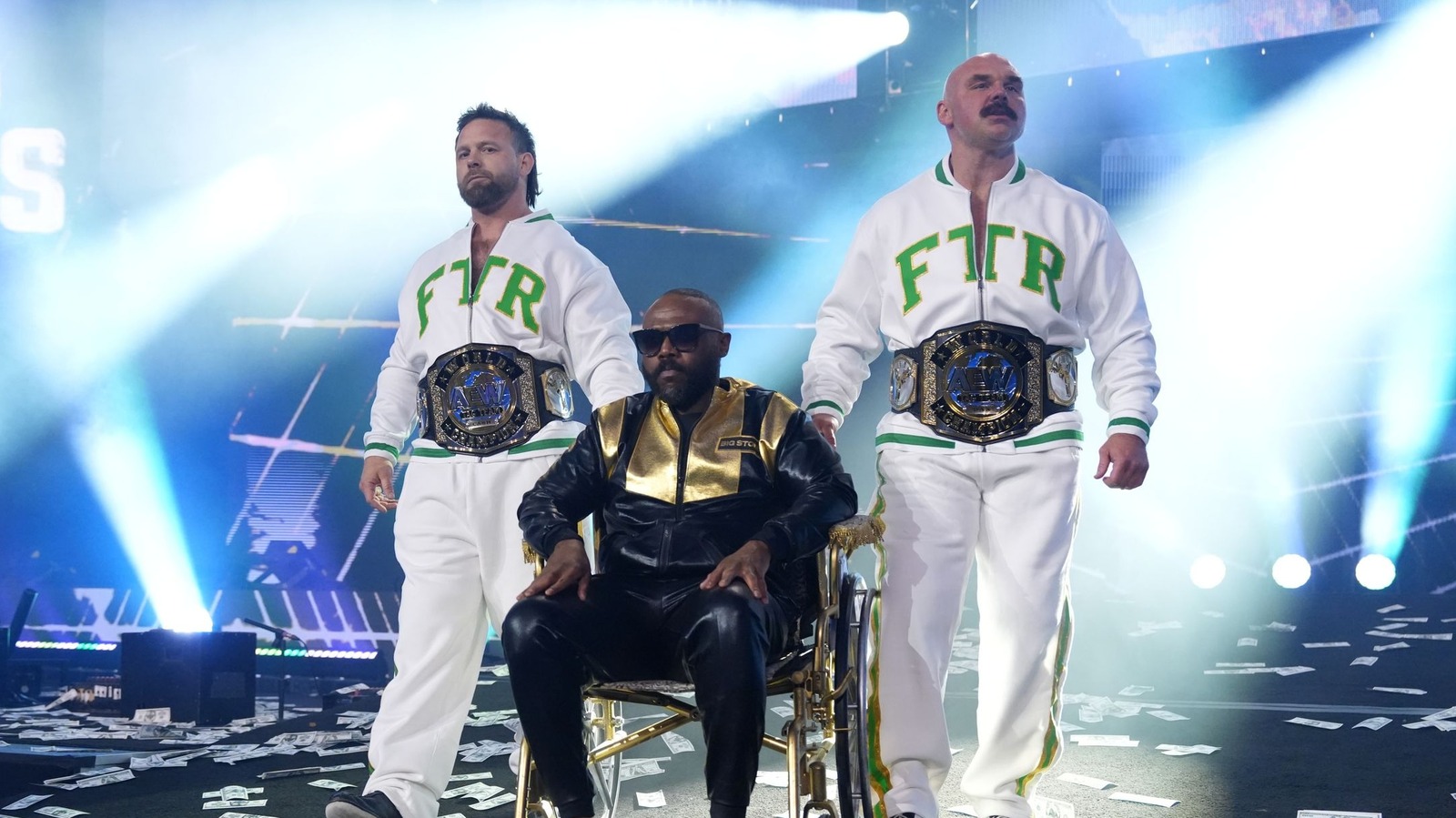
AEW Fights for Saturday Night While NXT Builds for the Future
A Tale of Two Saturday Nights
On the evening of May 2, 2026, wrestling fans were presented with a stark choice, a perfect microcosm of the strategic chasm separating the industry's two largest North American promotions. In Peoria, Illinois, All Elite Wrestling aired Collision, a program stacked with three championship matches and significant storyline developments for its upcoming pay-per-view. It was a show demanding immediate attention. Meanwhile, down in Venice, Florida, WWE's NXT brand ran a non-televised live event, a house show where the reigning NXT Champion worked a simple tag team match in front of a small local crowd. One was a sprint, the other a marathon.
This single evening offered a transparent look into the divergent philosophies of AEW and WWE. AEW is using its Saturday night slot to wage a war for viewership, treating Collision as another frontline A-show. WWE, on the other hand, uses its weekend NXT loop for something far less glamorous but arguably more vital: the patient, repetitive, and untelevised work of building its next generation of main eventers.
Collision's High-Stakes Play for Relevancy
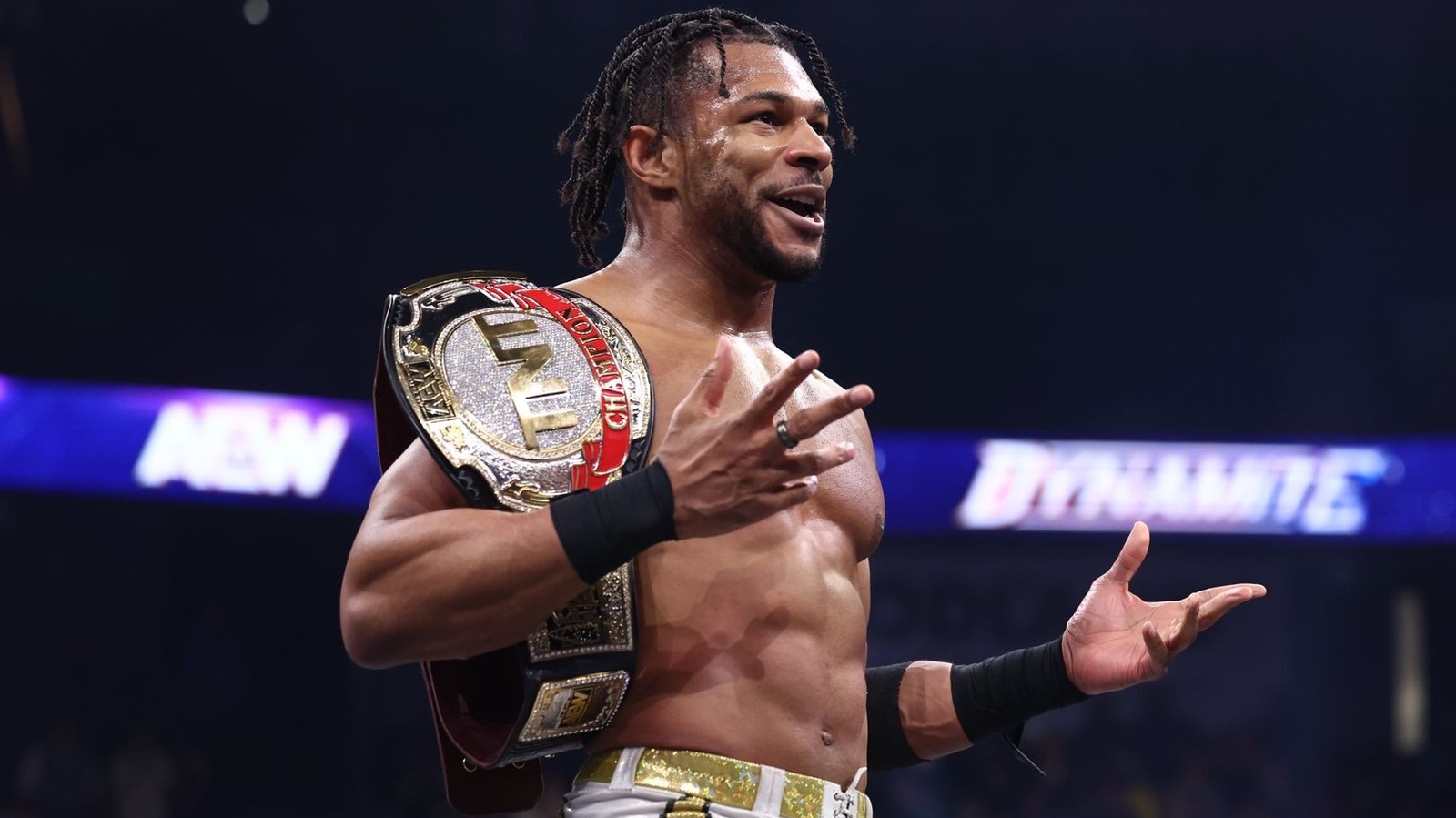
AEW's approach with Collision is aggressive. The card from Peoria was, by any measure, a significant television broadcast. As detailed in PWTorch's report, the night featured Hook defending his newly won TNT Championship against Bullet Club's Kevin Knight and Willow Nightingale putting the TBS Championship on the line against Anna Jay. These aren't throwaway matches; they are credible defenses involving established roster members.
Beyond the title bouts, the show advanced multiple key narratives. "Scapegoat" Jack Perry continued his journey of collecting titles by defeating the legendary Mascara Dorada. This wasn't just a match for its own sake; it was another chapter in one of the company's most compelling character arcs. The main event, a chaotic ten-man tag pitting The Patriarchy & The Righteous against a team of babyfaces, served to build heat for the ongoing Christian Cage and Swerve Strickland feud, the likely main event for the upcoming Double or Nothing pay-per-view. Even the undercard, featuring a dominant performance by Claudio Castagnoli over Johnny TV, felt purposeful.
This is Tony Khan's strategy in a nutshell: every show must feel important. There is no "B-show" in his playbook. The goal is to condition the audience to believe they might miss something crucial if they skip an episode of Collision or Dynamite. However, this high-stakes approach is not without its risks. The reported attendance for the Peoria show, according to WrestleTix, was a modest 2,451. Packing a card with three title matches and major stars only to play to a half-empty arena is a point of concern. It raises a critical question: is the strategy of constant, high-stakes television leading to audience burnout, particularly in live attendance? If every show is special, does it risk making none of them feel truly essential?
NXT's Unseen Grind in the Florida Loop
Just a few hours south, WWE's developmental brand offered a completely different product. The NXT Live Event in Venice, Florida, was a world away from the television cameras and pay-per-view pressure of AEW. This is the modern version of the old territory system, a closed circuit where the stars of tomorrow learn their craft. The card featured recent high-profile signing Ethan Page working the opener and the reigning NXT Champion Trick Williams competing in a tag team main event alongside Je'Von Evans against Gallus.
To an outsider, seeing the brand's top champion work a simple tag match at a small community center might seem bizarre. But this is the entire point. The Florida house show loop, often called the "Coconut Loop," is not for the television audience. It is for the talent. It's where performers like Wren Sinclair, Sol Ruca, and Jaida Parker can get crucial reps, try new spots, and learn to work a crowd without the immense pressure of a live broadcast. This is where the muscle memory is built, where timing is perfected, and where mistakes are made and learned from.
This is the unglamorous, foundational work required to build a sustainable main roster for Raw and SmackDown. While AEW is focused on winning the immediate Saturday night battle, WWE is using its developmental system as a long-term investment. The goal isn't to sell out the Venice Community Center; the goal is to ensure that in three years, Je'Von Evans is ready for a spot at WrestleMania. It's a strategy built on patience and process, a stark contrast to AEW's perpetual sense of urgency.
Defining the Weekend Show
The philosophical divide extends even to the independent scene. In Los Angeles, House of Glory presented a card featuring AEW-contracted wrestlers like Matt Sydal and Christopher Daniels. This demonstrates a symbiotic relationship, where major promotions allow their talent to work select indie dates, lending star power to smaller outfits while keeping their wrestlers sharp. It’s a third way, a middle ground between AEW’s all-in television approach and WWE’s closed developmental system.
Ultimately, AEW and WWE are answering a different question with their weekend programming. AEW is asking, "How can we make Saturday night a must-watch destination for wrestling?" Their answer is to treat Collision like a pay-per-view on free TV. WWE is asking, "How do we forge the next Roman Reigns or Bianca Belair?" Their answer is the patient, often unseen grind of the NXT live event circuit.
Neither strategy is inherently right or wrong, but they reveal the core identities of the two companies. AEW is the hungry challenger, fighting for every inch of territory and using every asset at its disposal to make noise right now. WWE is the established empire, confident in its long-standing, methodical process of talent creation. The results from one Saturday in May paint a clear picture: one company is playing for tonight, while the other is playing for the next decade.
Blood and Guts: The History of Wrestling's Most Dangerous Matches by Scott E. Williams
A deep dive into the hardcore history that influenced modern AEW and extreme wre
More Coverage
Top 10: Defining Wrestling Milestones of 2026
17 minutes ago
Top 10: Defining WWE Moments of the Modern Era
17 minutes ago
Why Madison Square Garden proved WWE still needs to refine its main event story
32 minutes ago
Tom Brady at WWE: A celebrity crossover we didn't ask for
32 minutes ago
Top 10: main
33 minutes ago
WWE is fumbling Gunther's legendary rub while Saraya tells the truth
34 minutes agoMore Analysis
AEW needs more than just better cards for Saturday nights
1 week, 2 days ago
That Wasn't an NXT Show, That Was a TKO Earnings Prep Rally
3 months, 1 week ago
WWE and AEW are learning the hard way that main events need visibility
3 months, 2 weeks ago