The reality behind the curtain
Professional wrestling often demands we suspend our disbelief, yet the most jarring moments always occur when the barrier between performance and mortality vanishes. The news surrounding Tanea 'Rebel' Brooks has shifted the focus from weekly booking cycles to a much darker, terminal struggle. Diagnosed with ALS, Rebel is now navigating the final stages of a condition that offers no easy exits.
While fans spend their time debating mid-card pushes or ladder match psychology, the company has pivoted toward a tangible support system. As reported by PWInsider, the mobilization of resources to combat this disease has become a central narrative for everyone connected to the AEW locker room.
A financial push for research
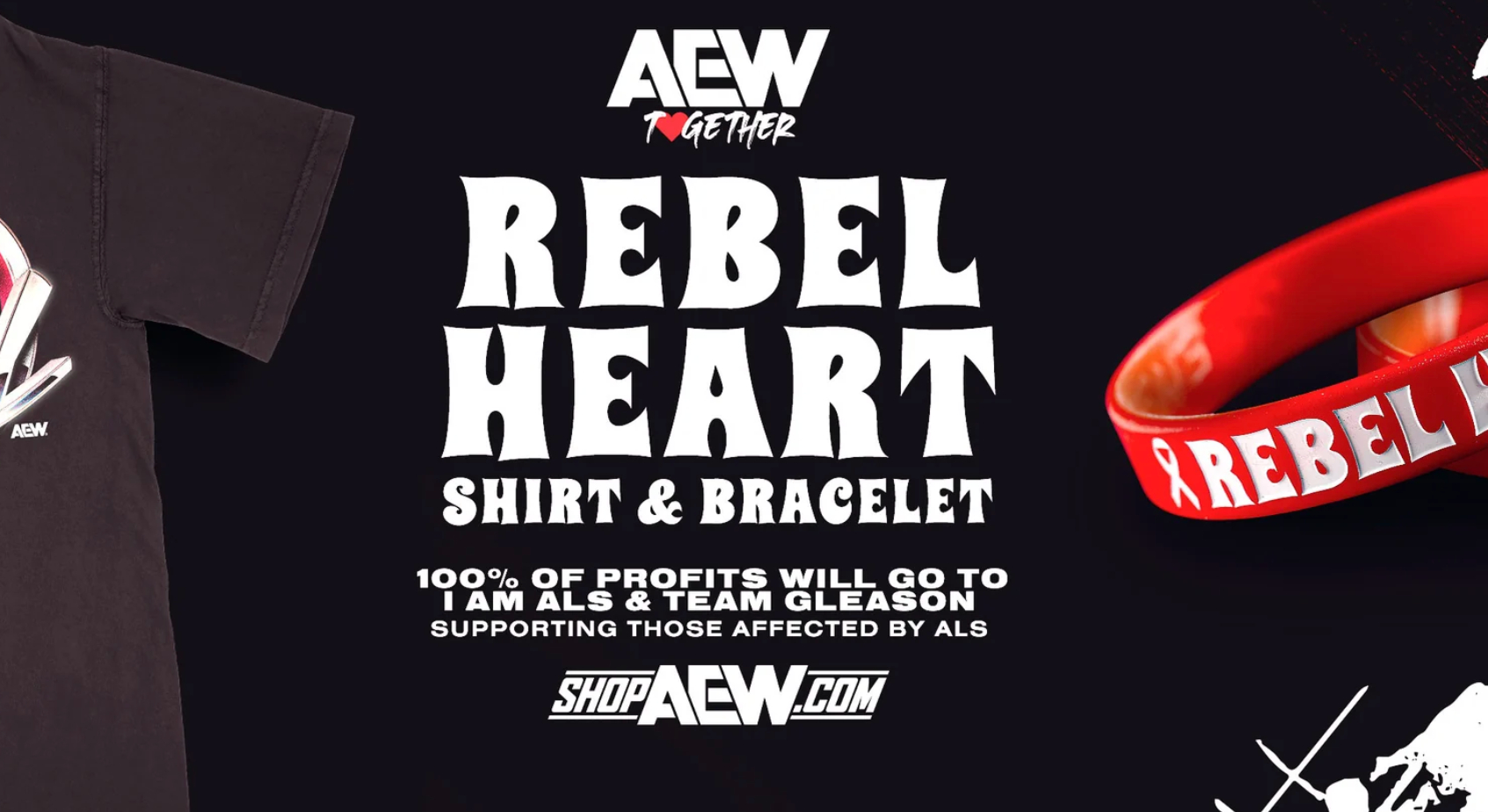
The operational machinery of promotion is being repurposed. Following the announcement on June 2, 2026, AEW launched the Rebel Heart merchandise line. The optics here are functional rather than cosmetic; the goal is to drive immediate funding toward ALS foundations. Wrestling Inc has confirmed that these initiatives work in tandem with two specific organizations focused on ALS research.
It is worth noting the discrepancy between the pace of medical change and the speed of social media sentiment. While merchandise sales provide a financial cushion, the diagnosis itself remains a grim reality. There is a inherent, uncomfortable friction in buying a t-shirt to solve a problem that current medicine cannot touch. However, the attempt to keep Rebel’s name at the forefront of the fan consciousness is a necessary response to a diagnosis that often fades from public view.
The locker room response
Influence in modern wrestling often manifests through digital reach. Matthew and Nicholas Jackson, better known as The Young Bucks, have utilized their personal streaming platform to contribute directly to the cause. By pledging the proceeds from their July 3, 2025, stream to support Rebel, they moved the needle beyond general statements.
This effort serves as a reminder that the bonds formed on the road are distinct from the scripted conflicts seen on television. As detailed by Ringside News, the willingness of high-profile talent to redirect their own audience revenue streams highlights a shift in how wrestlers view their responsibility to peers. It is a departure from the isolationist tendencies of past generations, where talent often dealt with personal crises in total obscurity.
Looking forward
The upcoming weeks within the promotion will likely continue to weave this fundraising effort into the broadcast fabric. Expect more acknowledgement of these initiatives during commercial breaks and social media pushes. While the cynical observer might point to the marketing of charity gear as corporate branding, the scale of the crisis facing Rebel renders that critique secondary to the utility of the funds raised.
The current total raised from these combined efforts sits at a significant figure, yet the reach of ALS research needs constant injection of capital to see any 0.5 percent shift in survival rates. The industry is currently doing the only thing it knows how to do: put on a show of solidarity. Whether that pressure results in genuine breakthroughs or merely keeps one woman comfortable in her final months is a question for science, but the effort remains a necessary display of unity.
My prediction? The fan support for these items will exceed early projections. The wrestling community is uniquely adept at rallying when one of their own is in the crosshairs, and this will likely be one of the most successful charitable drives the promotion has organized to date.