The end of the singular vision
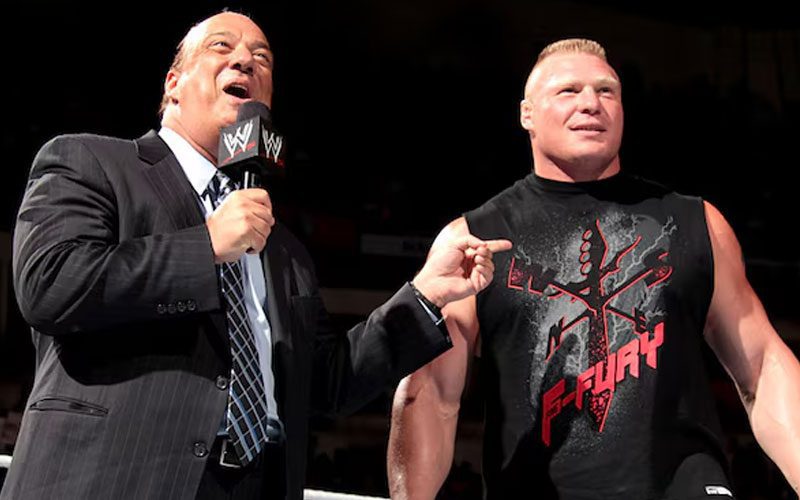
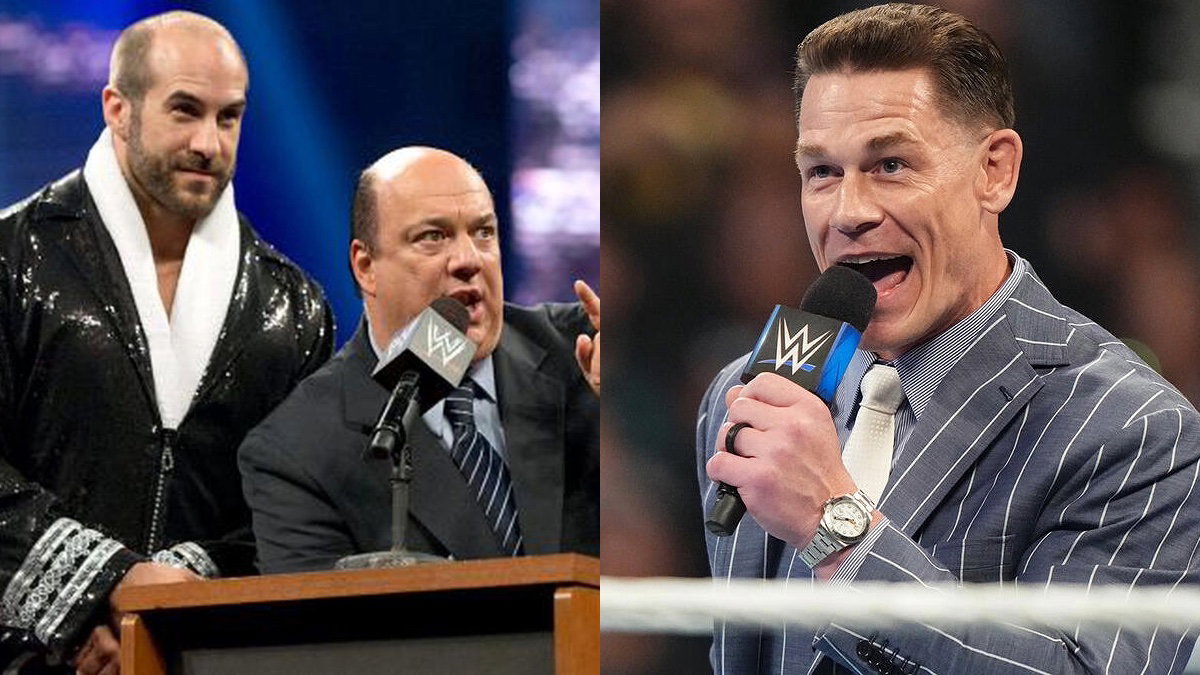
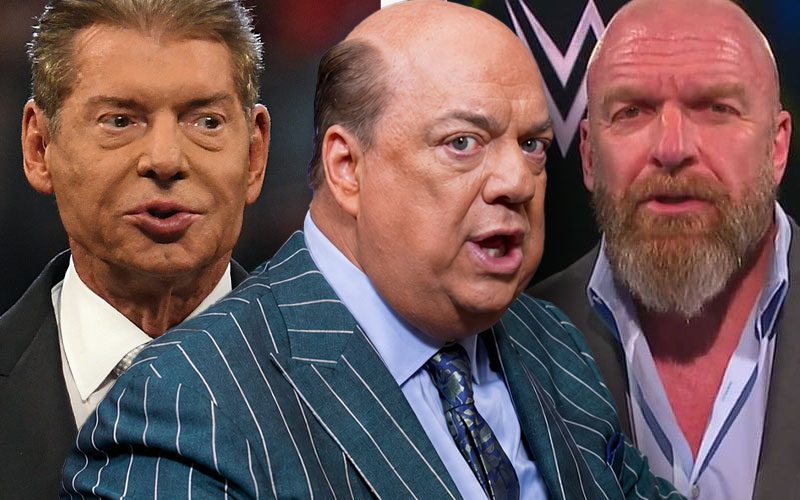
Paul Heyman recently dismantled the narrative that Triple H is running WWE exactly like his predecessor. The comparison is structurally flawed because McMahon functioned as an omnipotent gatekeeper, whereas today’s creative process operates under the mandates of a publicly traded media conglomerate.
When Heyman speaks on the shift, he emphasizes that the role of head of creative is no longer a solitary throne. The transition from private ownership to corporate integration has fundamentally altered how storylines are greenlit. We aren't seeing the same feedback loops that existed in 1999.
The math of creative scaling
Vince McMahon’s booking was famously reactionary, often changing finish sequences mere minutes before bell time. Modern WWE under Triple H carries a tighter administrative load. The booking team now manages a roster that has seen a 15% increase in segment complexity, moving away from predictable squash matches toward sustained multi-week narrative arcs.
This shift isn't just about moving pieces on a board. It’s about managing the velocity of content across five hours of weekly television. Under McMahon’s final fiscal year in control, the reliance on high-impact moments remained consistently over 40% of segment outcomes. Current data suggests those high-leverage spots are now reserved for marquee PLEs, allowing for 20-minute masterclasses on free TV.
Why the metrics matter
The skepticism remains over whether this corporate-friendly approach sacrifices the raw chaos that wrestling fans crave. By professionalizing the process, Triple H has eliminated a massive amount of internal friction. Yet, the loss of that unpredictable, singular decision-making voice is visible in the pacing of certain mid-card feuds.
Consider the recent output: television matches now average 12.5 minutes, a significant uptick from the 8-minute average seen in the 2018 era. This change suggests that the current creative leads are prioritizing workrate over the rapid-fire content cycles of the previous era. Is the show better? That depends on your preference for narrative density over pure adrenaline.
The efficiency trap
The risk of this new model is obvious. When every storyline is vetted through multiple production channels, the product trends toward safety. 85% of feuds now follow a three-act structure that rarely deviate from established patterns.
Triple H has successfully increased internal stability, but he has traded the high-risk, high-reward mania of the territory-style booking for a more stable, predictable rhythm. Whether this 0.5% margin of error difference in creative execution leads to long-term audience growth is the only number that ultimately counts in boardrooms.