The taxing reality of Cage's recovery
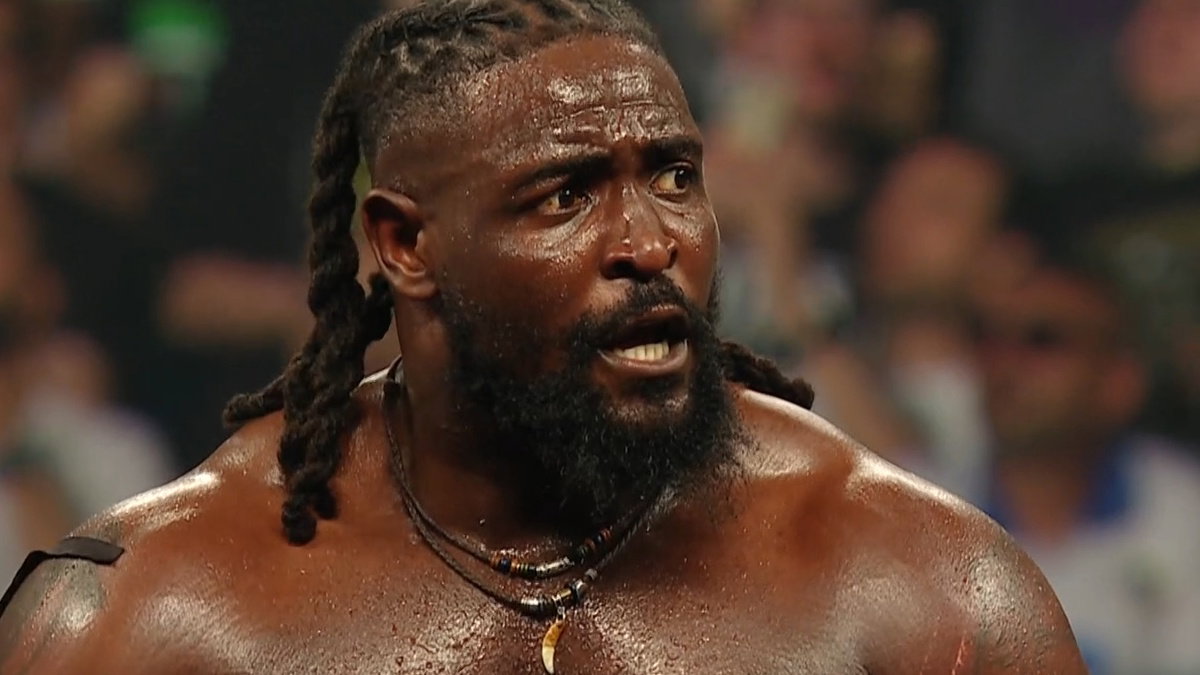
Brian Cage is finally pulling back the curtain on a recovery process that turned into a professional nightmare. While fans watched from afar, the former FTW Champion was battling physical complications that extended far beyond a standard torn quad rehabilitation.
The recovery timeline shifted drastically once a third surgery became necessary. According to statements made by Cage, the medical intervention required to address the lingering issues in his lower body created a hurdle that delayed his return to the ring significantly.
The third surgery made it absolutely terrible. It was a long road.
This admission confirms why Cage was sidelined longer than initial internal estimates suggested. The setback represents a massive blow to his momentum in a division that prioritizes high-frequency physical output. When a performer suffers three distinct surgical procedures on a single injury, the structural integrity of the limb becomes a legitimate concern for talent relations.
Long-term implications for the AEW roster
Cage is not the only high-profile star navigating medical limitations this year. Logan Paul is currently sharing his own recovery timeline following tricep surgery, bringing the total number of top-tier athletes on the injured list into a worrying range for Tony Khan. The industry is currently seeing an uptick in prolonged absences, forcing creative teams to rewrite television tapings on the fly.
Creative instability is becoming a recurring theme. A report yesterday regarding Adam Copeland and Christian Cage confirms that AEW had an entirely different path mapped out for All In 2026 before injuries and booking shifts forced a pivot. When stars like Brian Cage are unavailable, the entire narrative architecture for shows like All In struggles to maintain its intended weight.
Why the medical updates feel different now
Unlike previous years where talent remained silent, the modern roster is candid about their rehabilitation. This transparency serves a double purpose. It keeps the performer relevant during long stints off-screen and manages expectations regarding their physical readiness to return at 100% capacity.
However, the skepticism remains. For a wrestler with the explosive move-set of Cage, a history of quad issues creates a lingering shadow. If he comes back and cannot perform his signature rotation of high-impact power moves, the audience will notice immediately. There is a fine line between a successful comeback and a career-shortening return to action.
The sheer number of surgeries Cage underwent is a troubling stat. While getting back to the roster is the primary goal, the actual effectiveness of his return is not guaranteed. He spent his career building an image based on being a freak of nature, but his comments regarding the recovery process show the physical toll this job extracts even from elite athletes.
Planning for the next phase of the year
With June 11 fast approaching—the kickoff of the global football tournament that tends to soak up all consumer attention—wrestling promotions are desperate to keep their stars healthy. AEW's reliance on specific marquee talent like Cage creates a vacuum when they are sidelined. The booking team has to compensate for the loss of a power-based antagonist, which often results in less compelling television until the return occurs.
Fans expecting a seamless transition back to the top of the card should temper their hopes. Recovery from a third surgery is not just a standard return-to-play timeline; it is a recalibration of muscle memory. Cage is a professional, but he is operating on a body that has absorbed massive surgical trauma over the last 18 months.
Looking ahead, the focus must remain on the long-term health of these performers rather than the immediate gratification of a surprise return. If Cage pushes too hard to make a specific PLE date, the potential for a fourth surgery is arguably at an all-time high. The promotion must protect its assets by ensuring the rehabilitation is finished properly, even if it leaves a hole in the roster for the remainder of the summer months.
Ultimately, the transparency provided by the talent is the most refreshing part of this news cycle. We know exactly why Cage has been gone and exactly how much pain the process caused. It elevates the effort, but it also highlights how thin the margin is between being a main event player and being a cautionary tale about overworking the body inside the squared circle.