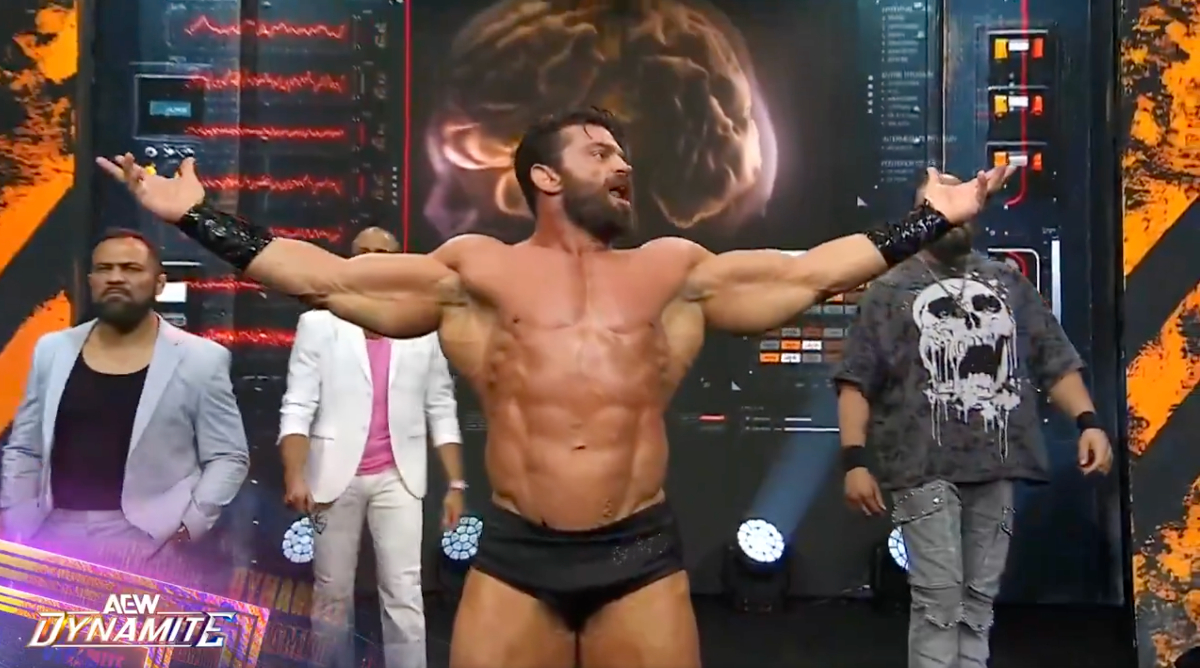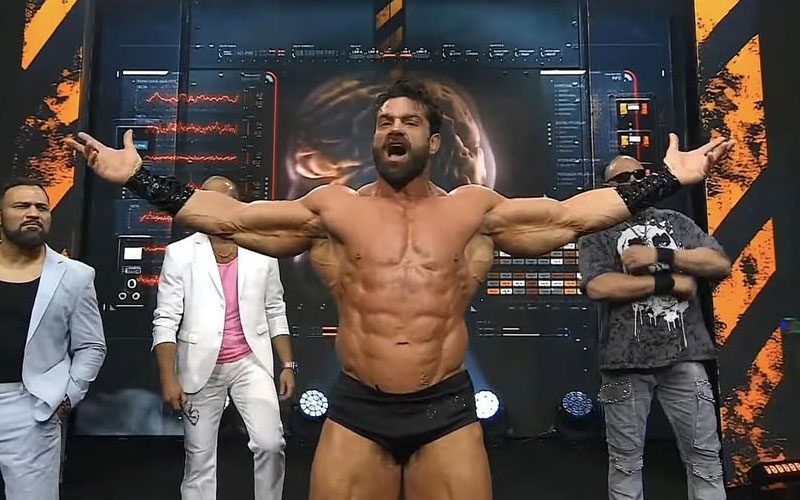
Brian Cage details the difficult road back to AEW television
Brian Cage recently pulled back the curtain on a grueling recovery process that kept him off AEW television for over 12 months. The physical toll required three separate surgeries, forcing the heavyweight to rethink his training methodology during a year of inactivity. Cage, often referred to as “The Machine,” described the comeback as a chaotic scramble to regain his spot in the rotation.
The recovery timeline remains a cautionary tale regarding the speed of wrestling returns. Cage spent the bulk of the year focusing on joint stability and core strength to support his massive frame. He entered the facility for his return after an arduous rehabilitation, noting that the timing of his arrival was far from the idealized plan initially discussed with medical staff.
Surgery setbacks and the reality of prolonged absences
Multiple surgical procedures present a significant challenge for any high-impact performer. Cage’s case demonstrates how the body struggles to maintain muscle mass and explosive speed following structural repairs. The transition between physical therapy and ring readiness is rarely linear for talents of his size.
As Ringside News reports, the return process lacked a clean, professional glide path. Cage found himself rushing toward a reintegration that felt disconnected from his original pacing. Such restarts often lead to secondary complications, as the nervous system attempts to recalibrate to the demands of professional grappling mid-stream.
Industry implications for heavyweights
The situation highlights a recurring problem for larger, power-based performers. Heavyweights frequently suffer damage to the shoulders and lower back due to the sustained pressure of explosive movements. When rehabilitation periods stretch beyond 12 months, the difficulty in returning to peak form is compounded by the evolving pace of the television product.
Strategic planning for high-frequency performers needs immediate review. AEW currently utilizes a wide roster, but the physical demands of high-intensity programs like Collision often outpace the medical readiness of veterans who have undergone major procedures. If the booking team ignores the limitations of a performer fresh off three surgeries, the result is often a quick turn back to the injury list.
Historical context of recovery cycles
Returning after significant downtime is never easy. History is littered with athletes who attempted to jump back into a high-octane schedule, only to suffer re-injuries within the first few weeks. The key to long-term viability lies in a phased approach rather than a sudden spike in intensity. Cage’s narrative suggests that the pressure to be relevant on television often overrides the necessity of a cautious, measured ramp-up.
This case serves as a point of friction regarding organizational communication. If medical evaluations are not aligned with long-term creative planning, individual athletes bear the brunt of the risk. A year away is not merely a vacation; it is a total rebuild that requires a specialized roadmap for each individual athlete involved.
Reframing the return trajectory
Performance optimization in wrestling requires more than just gym time. Cage had to balance his recovery with the realities of maintaining his gimmick under pressure. The expectation that an athlete can simply jump back into a rotation at top speed is both unrealistic and dangerous for the longevity of the individual.
The business side of these returns often overlooks the psychological weight of chronic injury management. While the focus remains on when a star returns to the screen, the underlying fatigue of hospital visits and repeated rehab sessions is rarely part of the fan conversation. It is a grind that goes unseen until the athlete decides to open up about the actual experience.
Moving forward, the promotion would benefit from stricter adherence to medical protocols. Allowing performers to bypass stages of recovery to meet a booking requirement is a strategy that fails in the long run. The goal should be a return that lasts, rather than a return that effectively resets the clock on an athlete’s health status.
In the end, Cage managed to navigate the chaos, but his experience should be viewed as a lesson in the fragility of modern wrestling careers. The expectation of immediate impact, while understandable from a fan's perspective, creates a volatile environment for the athletes. The industry needs to prioritize the health of its workers to ensure they maintain their value over the course of their careers. If management treats top-tier performers strictly as assets, they will lose those assets to the injury ward with alarming frequency.