The Myth of the Corporate Champion
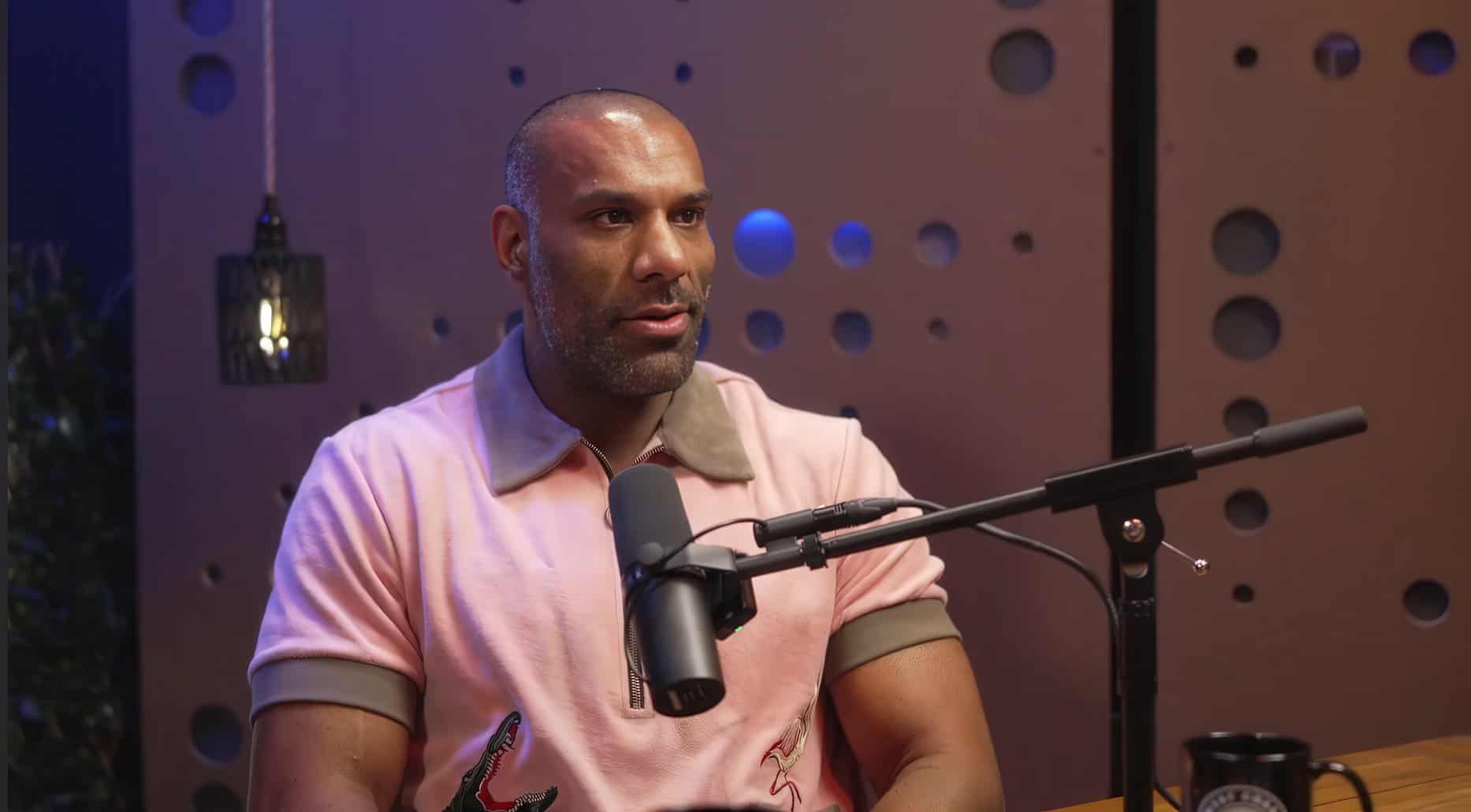
Jinder Mahal is not letting history rewrite his career. The former WWE Champion went on TMZ Inside The Ring on July 6, 2026, to address the loudest complaint from his time at the top. Fans still claim WWE handed him the company's biggest prize solely to secure a business foothold in India.
Mahal, now wrestling on the independent circuit under his real name Raj Dhesi following his WWE release, rejects that story. The timeline does not support the theory that he was a paper champion built in a boardroom. He argues the company had the exact same business goals in India when they chose to release him in 2014, and when they kept him at the bottom of the card as part of 3MB.
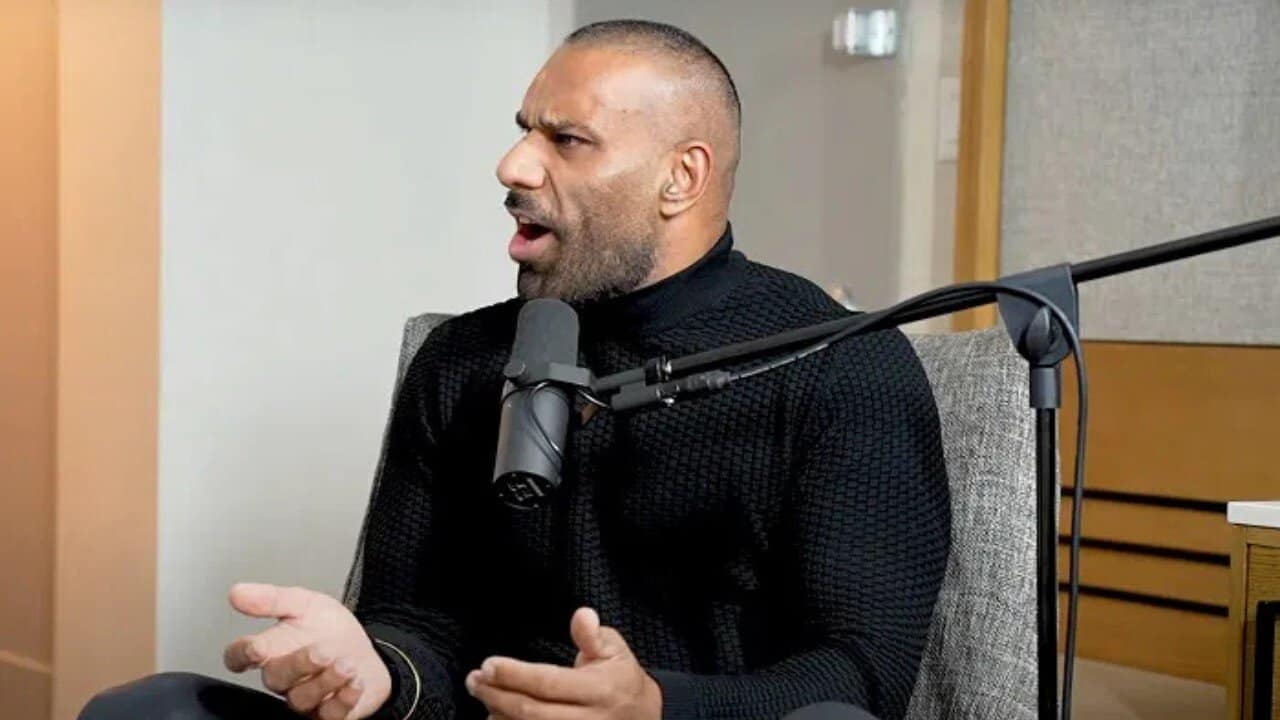
During the interview, Mahal laid out his defense of the title win. He explained that the corporate strategy existed long before he held the gold and remained active long after he lost it.
"I know there's a common theme that I was given the WWE Championship for India, but that India market was there when I got released, it was there when I was in 3MB, it's still there to this day"
The numbers back up his timeline. WWE has chased international television deals and stadium events in India for decades. When Mahal was performing in the comedic trio 3MB alongside Heath Slater and Drew McIntyre, WWE was actively broadcasting in the region. Yet, the company kept Mahal in a jobber role, showing that business initiatives do not automatically translate to a main-event push.
The Indian market did not suddenly appear in 2017. WWE had already established offices in Mumbai and was running localized content. If the company wanted to use the WWE Championship as a marketing tool, they had plenty of opportunities to do so with Mahal years earlier.
The Self-Made Transformation
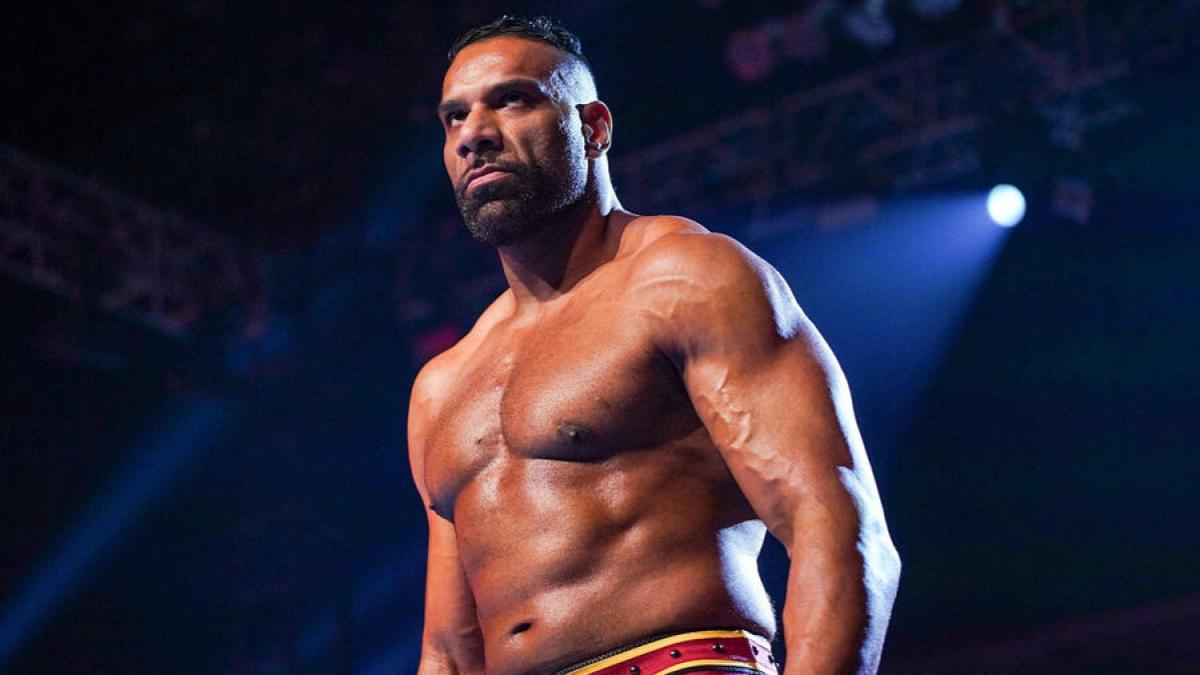
The real catalyst for his rise was a complete personal overhaul. Mahal returned to WWE in 2016 with a vascular physique that shocked the locker room. He changed his diet, cut out alcohol, and started treating his presentation like an elite star.
Mahal's transformation was built on three distinct changes:
- A strict diet and zero alcohol to completely overhaul his physique.
- Custom-tailored suits worn weekly to make himself look like a champion.
- A renewed focus on promo delivery and confidence behind the microphone.
He knew that to get Vince McMahon's attention, he had to look the part. He bought custom suits to wear to arenas and worked on his promo delivery. He stopped waiting for creative plans and started acting like the face of the brand before WWE ever put a title on his shoulder.
"I had to become the champion before I became the champion. Had I not had that transformation and that improvement, I wouldn't have gotten that spot."
This mindset shows how wrestling politics actually operate backstage. Performers who wait for the writers to hand them success usually end up sitting in catering. Mahal invested his own money and effort into his character work to force management's hand.
He wanted his transformation to serve as a blueprint for undercard talent. The focus should be on personal accountability rather than waiting for creative favors.
"The investment into myself, and just overcoming, that's the part that I would want to share"
Wrestlers who complain about their booking often fail to look in the mirror. Mahal's approach was to make it impossible for McMahon to ignore him. By the time he entered the title picture, he had the physical presence of a main-event star.
The On-Screen Reality
While Mahal's physical work ethic is admirable, the actual in-ring product during his reign was tough to watch. His 2017 run lasted 170 days and dragged SmackDown down. Every single title defense followed the exact same formula, relying on interference from Sunil and Samir Singh to secure cheap victories.
Fans grew tired of the repetitive finishes against Randy Orton and Shinsuke Nakamura. The matches lacked drama and failed to deliver the high-quality main events that SmackDown had become known for. Mahal looked like a champion, but his actual matches exposed his limitations as a worker.
His victory over Randy Orton at Backlash 2017 was a shock, but the subsequent matches failed to build on that momentum. The Punjabi Prison match at Battleground 2017 was a slow, clumsy affair that ended with a random appearance by The Great Khali. By the time Shinsuke Nakamura failed to win the title at SummerSlam and Hell in a Cell, the main event scene had cooled off significantly.
The experiment finally ended in Manchester, England, on the November 7, 2017, episode of SmackDown Live. WWE scrapped a planned Survivor Series match between Mahal and Brock Lesnar, electing to have AJ Styles win the title after hitting a Phenomenal Forearm. The pop from the English crowd was a clear indication that fans were ready to move on.
The Backstage Danger
The push itself almost ended before it began due to a major backstage scare. Just one week before he won a number-one contender's match to begin his ascent, Mahal concussed Finn Balor with a stiff forearm on Monday Night Raw. That confrontation occurred in April 2017, just one week before he won the number-one contender spot.
The mistake infuriated Vince McMahon, who confronted the star immediately after the match in the Gorilla position. McMahon was ready to end Mahal's career on the spot.
As detailed by WrestlingNews.co, McMahon told him he should fire him. Mahal survived the threat and went on to win the six-pack challenge on SmackDown the following week, pinning Sami Zayn. The incident shows how thin the line is between a main-event run and the unemployment line.
If McMahon had followed through on his threat, the entire trajectory of SmackDown in 2017 would have changed. Instead, Mahal was drafted to the blue brand and immediately pushed to the moon.
The Shifting TKO Business Model
The modern WWE business model looks very different from the era of Mahal's title win. Under TKO Group Holdings, the company has restructured how it values veteran talent. Contracts are treated like sports franchise decisions, and long-tenured stars are finding themselves on the outside.
This new reality was highlighted by Sheamus' departure from WWE. The veteran walked away after contract negotiations fell through, proving that no one is safe from budget adjustments.
WWE Hall of Famer Booker T recently weighed in on these departures. He questioned whether the idea of a WWE lifer is completely dead in this corporate era. As Booker T discussed on his podcast, wrestlers can no longer rely on past loyalty to secure their spots.
Mahal's release in April 2024 fits this exact pattern. He was no longer seen as a necessary asset for the international expansion, and his roster spot was cut. The same company that put its top title on him to create headlines chose to let him go when the budget sheet required it.
Mahal is now focused on rebuilding his name in the indies. He is proving that he can draw fans without the WWE machine behind him. Whether he ever returns to the major stage or not, he has made his peace with his historic run.
Read Next