The Mirror in the Locker Room
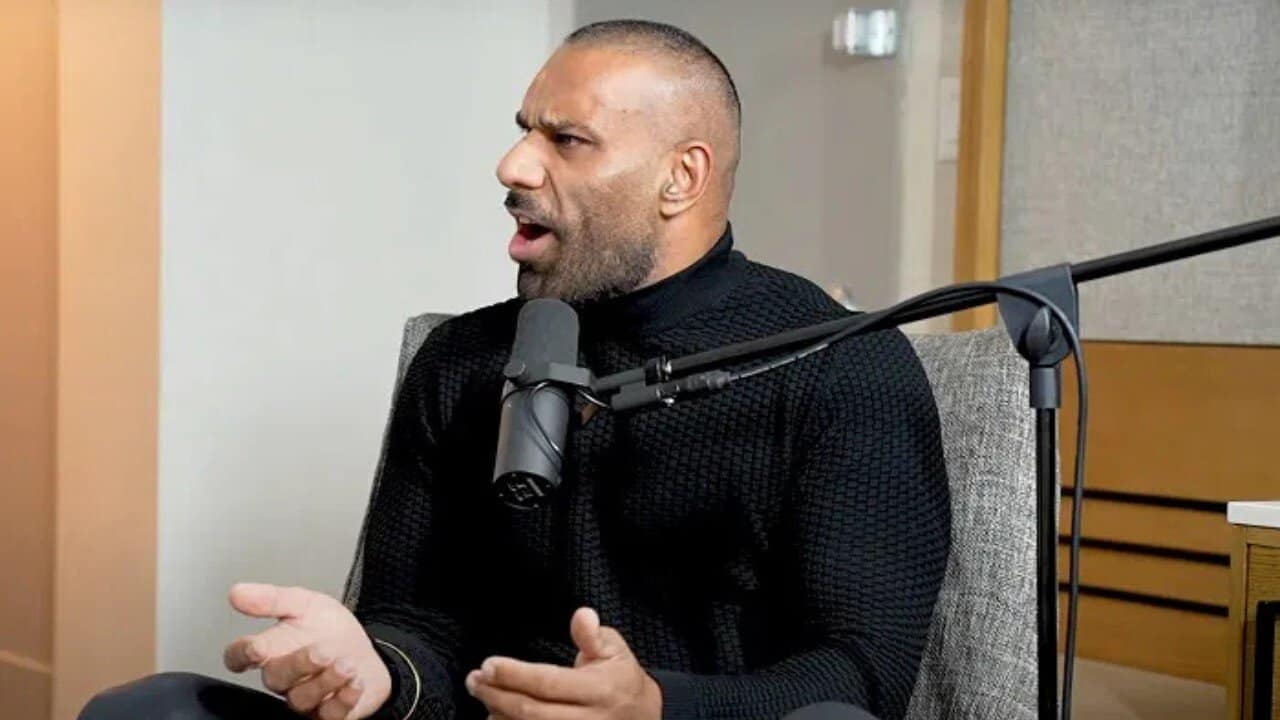
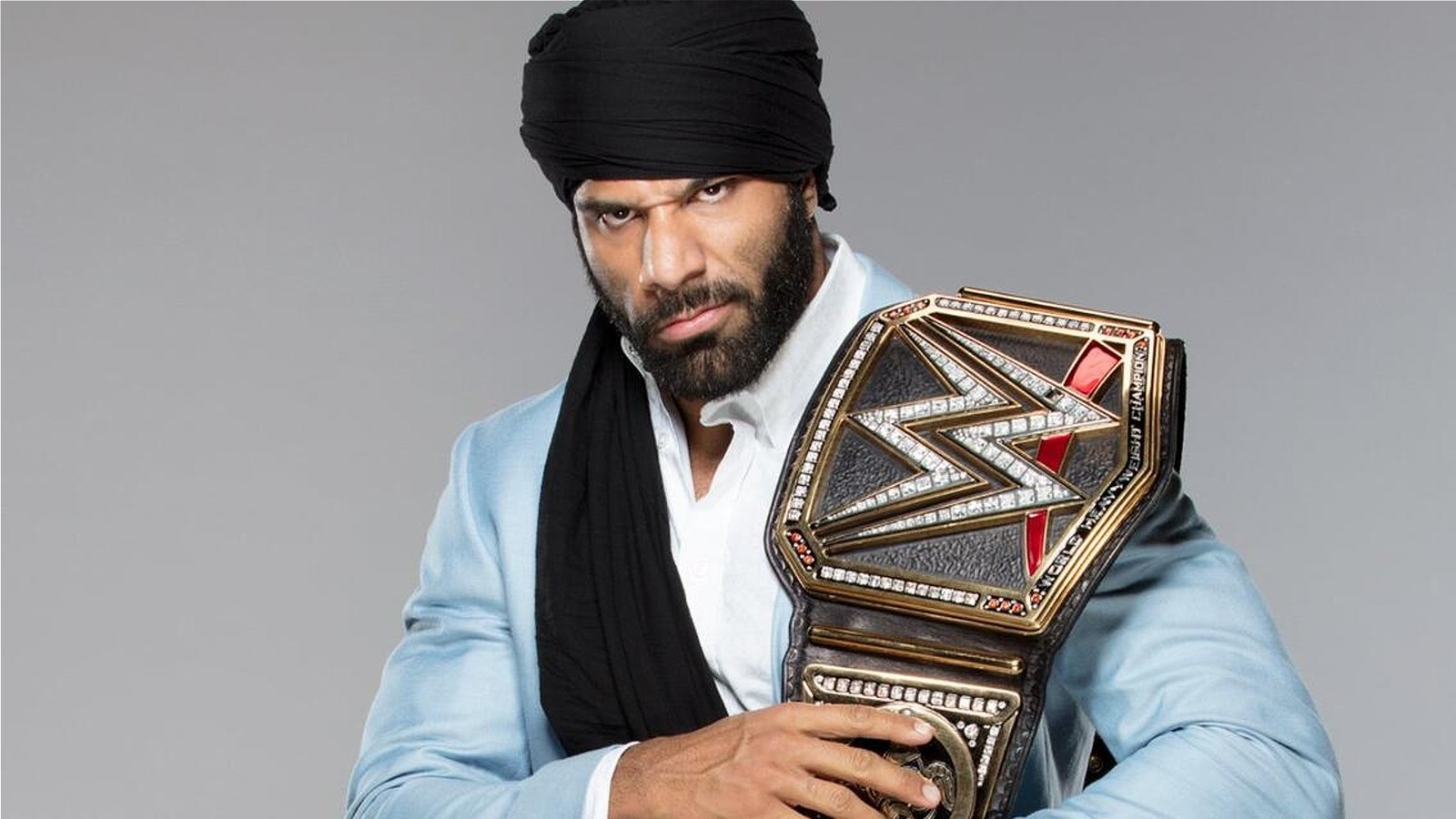
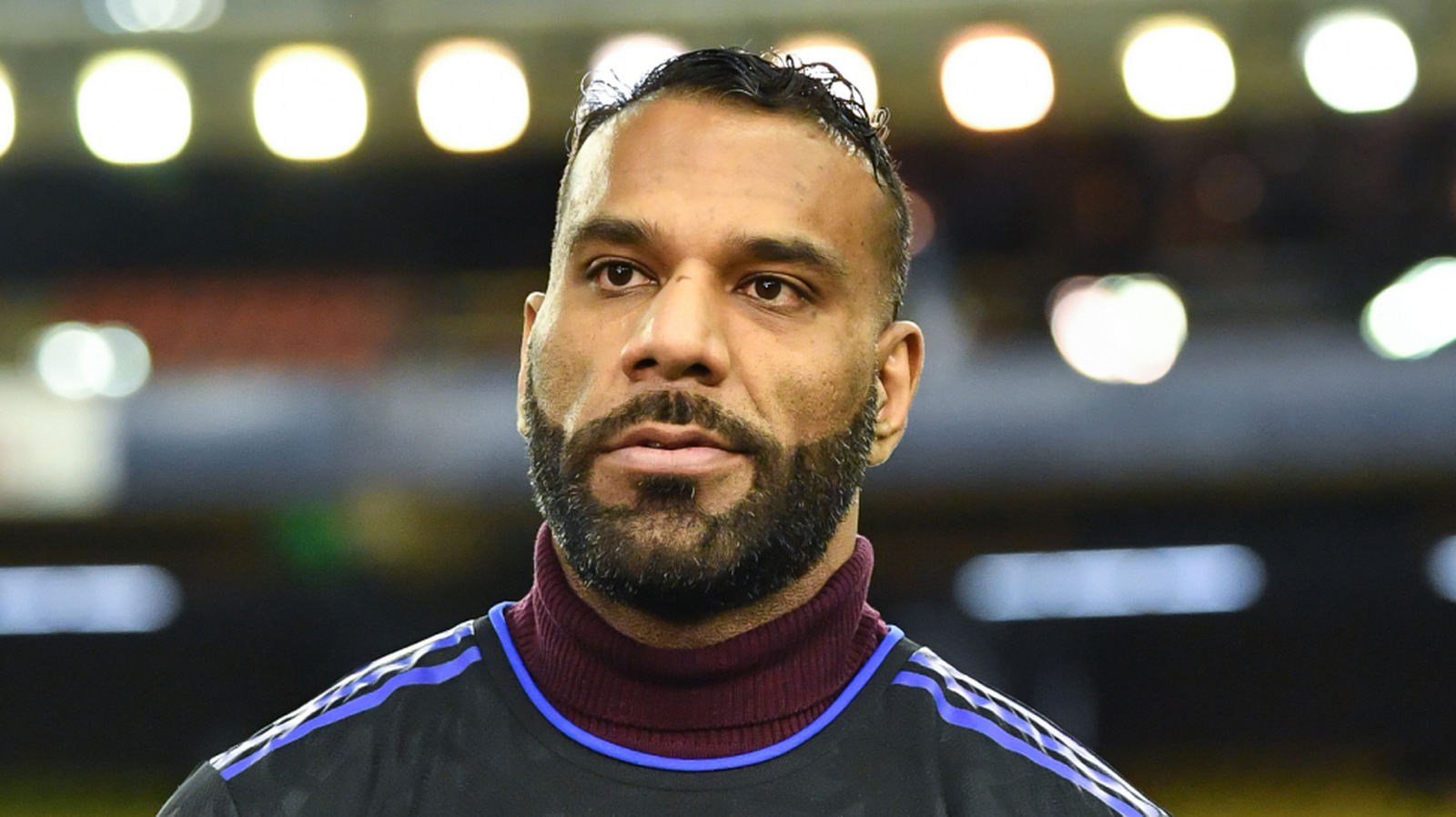
Pour me a double of the cheapest whiskey in the well and don't bother with the ice. We need to talk about Jinder Mahal's recent comments regarding the perpetual finger-pointing in the wrestling industry. During his interview with TMZ's Inside the Ring, the man now known as Raj Dhesi dropped some truths that probably made a dozen guys sitting in catering spit out their protein shakes.
For as long as the business has existed, the default excuse for a failed run has been "creative has nothing for me." If you do not get over, it is because some writer in a polo shirt did not write you a masterpiece. But Jinder, a guy who went from playing air guitar in a comedy trio to holding the richest prize in the sport, is not buying that get-out-of-jail-free card anymore.
His take is simple: if you are not succeeding, you need to look at yourself instead of blaming the writers. As WrestleTalk recently reported, this is a harsh truth from a guy who has been on both sides of the coin. And honestly, it is about time someone said it out loud.
"When you're in WWE, when things aren't going well, you do everything except look at yourself. The booking, the writing team, so and so is getting a push because of X reason. We don't look at ourselves. If we look at ourselves; 'what can I improve', 'what am I lacking', and be honest with ourselves. That's what it is, we need to be honest with ourselves."
The Tale of Two Fired Members of 3MB
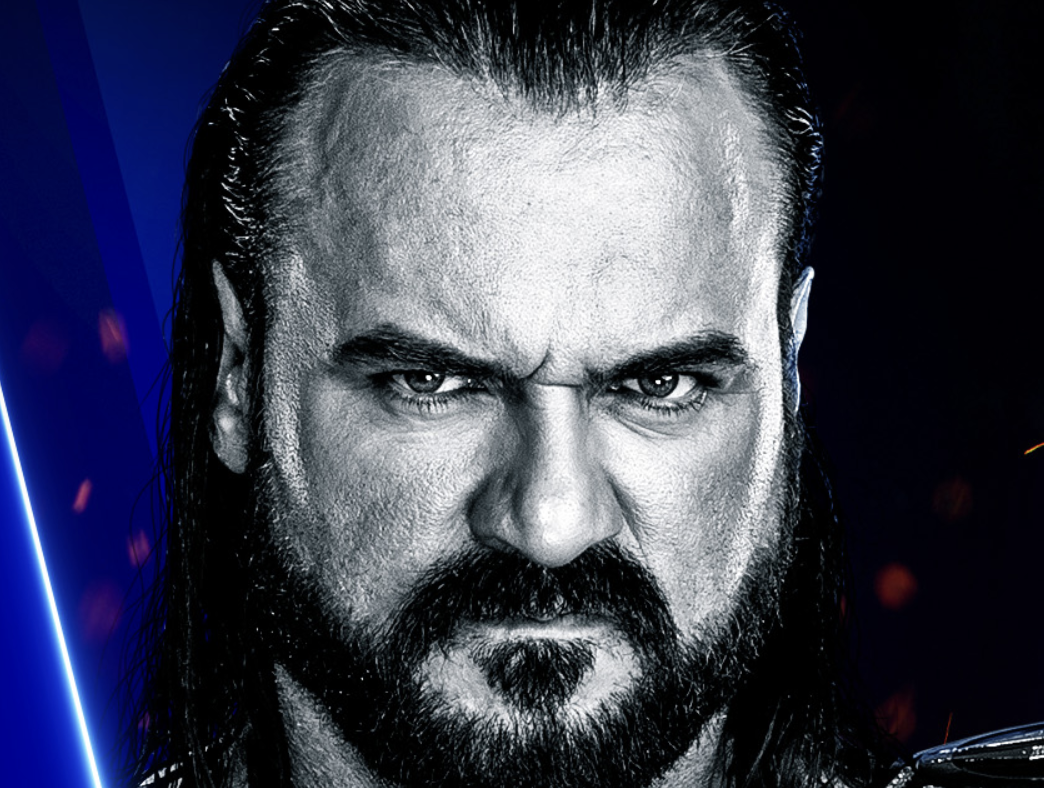
To understand why Jinder has the right to talk like this, we have to look back to the summer of 2014, when WWE executed a massive talent purge that caught both Drew McIntyre and Jinder Mahal in the net. At the time, they were the bottom-tier jokes of the roster. They were getting beaten up by everyone from El Torito to Hornswoggle while wearing leather vests and pretending to play instruments.
When the axe fell, both men were thrown into the independent scene, but their responses could not have been more different. Drew went on an absolute tear across the globe, working EVOLVE, ICW, and TNA while completely transforming his physique and presentation. He became a main event beast before WWE had even finished processing his paperwork.
Jinder did not do that, admitting that he did the exact opposite by letting the depression of the release slow him down. He worked small independent shows but refused to post about them because he felt low-key embarrassed. As Raj Dhesi admitted he should have utilized social media, he spent those years coasting, drinking, and watching the bookings dry up.
"Coming out of WWE when you get released, for a certain period of time you're consistently booked, and the more you're on WWE television, the more you make on the independent scene, and there's more of a demand. The demand for that 3MB version of Jinder Mahal was drying out really quickly. That was because of myself. Drew did a really good job of reinventing himself using the internet, using social media, promos, ICW in Scotland, Evolve here in the United States, he did an incredible job. I actually did the opposite, I was kind of just working indies and not posting what I was doing because I was low-key a little bit embarrassed."
The Two Paths in the Indie Wilderness
While Drew McIntyre chose to shout his name from the rooftops of every venue in Europe and North America, Jinder took a quieter, more painful route. Here is how their two years away from WWE stacked up side-by-side:
- Drew McIntyre became the face of ICW in Scotland, dominated EVOLVE in the US, and immediately built an online buzz with high-quality promo packages.
- Jinder Mahal worked low-key independent shows, avoided posting his matches on social media, and struggled with the embarrassment of being fired.
- Drew transformed himself into a main-event-ready beast, while Jinder coasted and battled his personal habits until his hangover wake-up call.
The Wake-Up Call and the Hangover
The turning point did not come from a creative meeting or a booking phone call; it came from a hangover. Waking up after a heavy night of drinking feeling like garbage, Jinder decided to take a break from the alcohol. It was a routine that had taken over his life outside the spotlight, and it needed to stop.
He stopped drinking entirely. That temporary break became a lifestyle change that has lasted for over ten years. Soon after, WWE's Mark Carrano called him to return for the 2016 brand split.
"Near the end of my tenure of being unemployed, about a month out I just one day, I woke up with a hangover. I never got hangovers, I'd drink all the time and not get hangovers. This one time I got a hangover and was like 'alright I'll take a break'. Then I just started training again, I felt good. Initially I didn't plan on quitting drinking, it's been over a decade now, but it was just going to be a break, and then within one month WWE called me back, Mark Carrano called me back and said 'we need two separate rosters on Raw and SmackDown, would you like to come back'. I wasn't brought back to become WWE Champion, I was back to fill roster space essentially."
"But that was the opportunity I needed. I had so many regrets from my first run that I didn't take it seriously. I'm a firm believer that wherever you are in life, it's because of you. You are 100% in control of your destiny, so when I took ownership of my life, my career, that's when I excelled."
The Backlash Shockwave and the Reality Check
Let us be completely honest about his return in August 2016, because nobody expected him to achieve anything. He was brought back as a warm body to fill roster space, quickly losing to Neville and Darren Young on secondary shows. He was a comedy air-guitarist who had been repackaged as a slightly more muscular jobber.
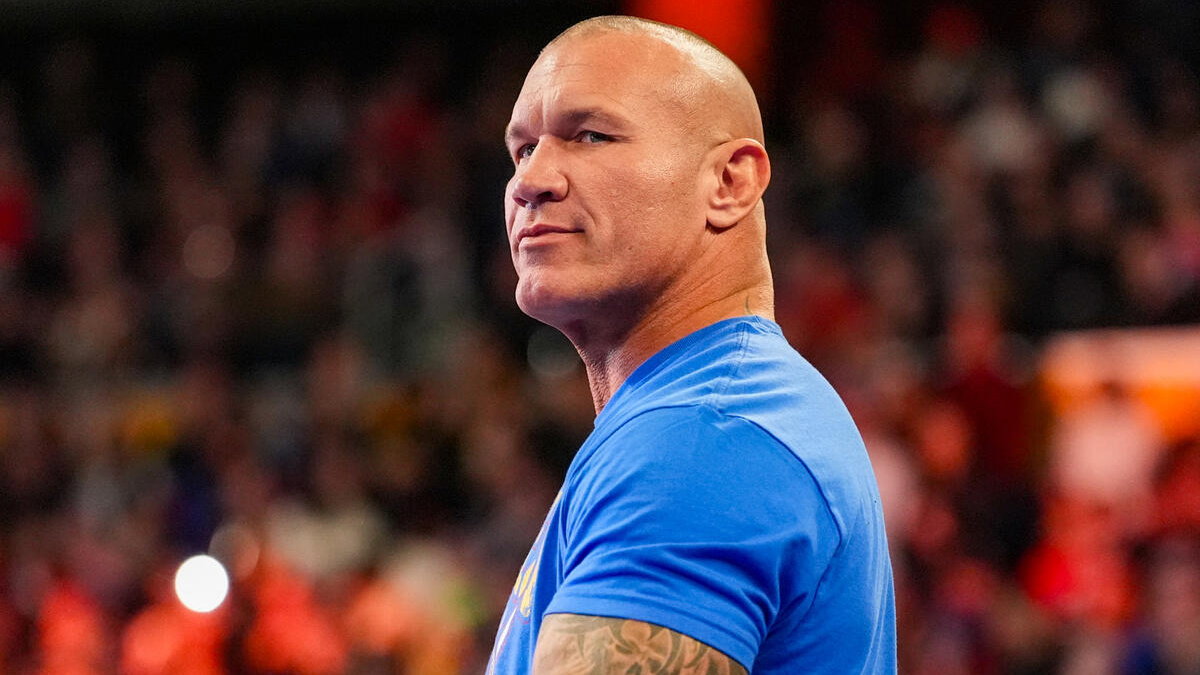
Then the SmackDown writing team needed a fresh heel challenger for Randy Orton, and WWE's corporate expansion plans in India made Jinder the perfect vessel. At Backlash 2017, he hit the Khallas on Orton to win the WWE Championship. It was one of the most shocking title changes in wrestling history, instantly dividing the fanbase.
Here is the critical observation: Jinder's championship run was an in-ring disaster. The matches were slow, repetitive, and entirely reliant on the Singh Brothers, Sunil and Samir, taking massive bumps off the Punjabi Prison or the announce table to save him. From his sluggish title defenses against Randy Orton to his dull SummerSlam 2017 match with Shinsuke Nakamura, the workrate was non-existent, making the top title feel like a corporate marketing prop.
But while his in-ring work deserved the heat, his work ethic was undeniable. As the massive pressure of carrying the top title mounted, he did not fold under the spotlight. He carried himself like a star and held the title for a 170-day reign before dropping it to AJ Styles on SmackDown in Manchester, England.
The Blame Game in the Modern Locker Room
This brings us back to Jinder's core point about the modern locker room, where complaining about booking has become an art form. We see it constantly on social media with undercard talent dropping cryptic posts or liking tweets that suggest they are being held back. They look at the guys getting pushed and convince themselves it is purely due to politics or bad writing.
But how many of those performers are actually doing the work to force management's hand by changing their look, pitching characters, or mastering promos? Too many are content to collect their downside guarantees in catering while letting their skills rot. They want the top spot, but they refuse to take the risks that Jinder and Drew took to earn it.
Jinder is living proof that you are in control of your own presentation. When he took ownership of his habits and his body, his career exploded from a low-card joke to a history-maker. Even if you hated his title matches, you have to respect the hustle it took to get there.
A Lesson for the Next Generation
If you are an undercard wrestler grumbling about your spot, Jinder's words should be required reading in every locker room. Stop looking at the writers' room and crying about the pushes other people are getting. Look in the mirror and ask what you are actually doing to make yourself undeniable.
Blaming creative is easy because it removes the responsibility from your shoulders, making your failure someone else's fault. But in this business, the minute you accept that you are the one in control is the minute your trajectory changes. Just ask the Modern Day Maharaja.