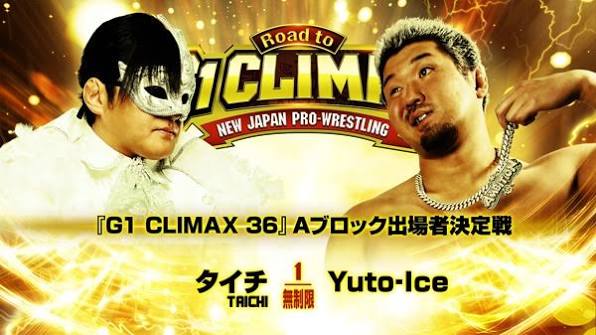
The G1 Climax 36 scramble is officially on
New Japan Pro Wrestling just wrapped up Day 3 of the Road to G1 Climax at Korakuen Hall, and the internet is already losing its collective mind. While the promotion confirmed two fresh names punching their tickets to the tournament, the division of opinion is sharper than a Desperado chair shot. Depending on which message board you float through, this field is either a masterclass in retooling or a total booking migraine.
As F4WOnline reported earlier, the qualifying process has been grinding through the roster, leaving some fans ecstatic about the influx of youth while others scream into the void about the lack of established main-event anchors. The shift towards newer, hungry talent is palpable for the optimists, but for the jaded among us, it looks like New Japan is trying to paint over a cracked wall with a fresh coat of neon spray paint.
The floor versus the ceiling
The enthusiasts are loud, particularly those posting on the fringe forums praising the Road to G1 results from June 23rd. These fans argue that putting guys like Masatora Yasuda in high-pressure spots against veterans like Togi Makabe is the only way to avoid stagnation. They lean into the idea that the tournament needs to be a proving ground rather than a victory lap for the old guard who have already peaked.
Then you have the skeptics, the crowd that lives and dies by the historical prestige of the G1 trophy. Over at various wrestling hubs, the sentiment remains that the field feels diluted. They are pointing to the newly announced match schedule and questioning if the company can carry the weight of these dates without more top-tier star power to drive ticket sales.
The verdict on the booking
If you ask me, the truth is parked right in the middle of this mess. New Japan is betting the farm on their ability to build new stars under the pressure of a round-robin schedule, which is a massive gamble in 2026. If the technical work rate holds up, the crowd will forgive the missing legends, but the execution needs to be flawless.
The biggest critique remains the pacing of the undercard. During the June 23rd show, the reliance on multi-man tag matches felt like a repetitive cycle that we have seen for a decade now. It is understandable they need to protect the bodies of these athletes before the tournament starts, but that does not make it any less of a chore to sit through.
We also have to talk about the Chicago return, noted by PWInsider recently, which seems tacked onto the tournament momentum rather than feeling like a destination event. Booking an international show while the Japanese tour is hitting a fever pitch is a classic management reach that risks splitting the focus of the creative team right when they need to be dialing in the tournament stakes.
Ultimately, the strongest argument lies with the pragmatists. NJPW is currently riding a 36th iteration of a format that relies heavily on its own tradition. If this year fails to deliver, it is not because of the young guys they inserted; it is because the structure itself is starting to show its age. Whether they sink or swim, the next 4 weeks are going to be the most scrutinized block of wrestling we have seen in quite some time, and honestly, I am here for the chaos.