The disconnect between passion and business
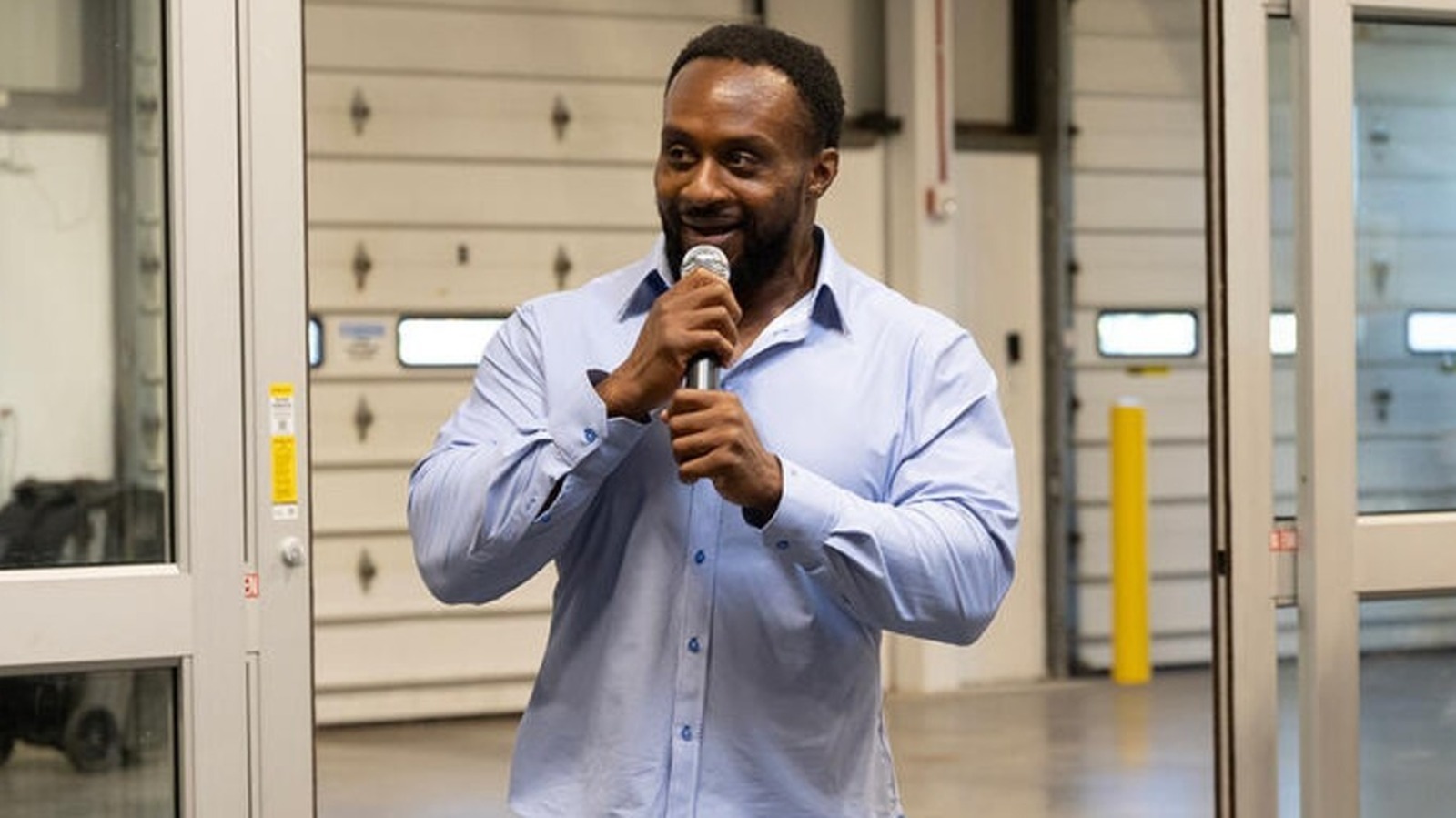
Paul Walter Hauser has once again inserted himself into the discourse surrounding professional wrestling. In a recent interview, the actor characterized the prospect of WWE taking its premier event to Saudi Arabia as pretty gross. It is a sentiment that finds an audience among purists, but it ignores the fundamental shift in how the company evaluates its international footprint.
We are watching a business operate with cold, singular efficiency. WWE is not a regional promotion anymore. When they look at the map, they see data points on viewership growth in the Middle East and the financial guarantees that follow. Complaining about the geography of a stadium show is a aesthetic argument in a room full of suits looking at spreadsheets.
The Roman Reigns friction
This is not Hauser’s first foray into wrestling agitation. He previously drew the ire of the locker room for his vocal, public dissatisfaction with the booking of Roman Reigns. There is a distinct line between a passionate fan and a critic who treats the product like a personal hobby they are entitled to curate.
The actor's comments underscore a friction that has existed since WWE began its multi-year partnership with the General Entertainment Authority. As reported by Ringside News, this level of vocal opposition from celebrities occasionally creates a feedback loop on social media. It galvanizes the defensive side of the fan base while drawing more eyes to the very events Hauser claims to dislike.
Tactical booking vs market demands
From a product perspective, the issue remains the quality of the in-ring work. Fans are less interested in the politics of venue selection than they are in the execution of the card. If the storytelling holds up, the location becomes secondary. However, when the in-ring pacing suffers in these high-stakes marathon events, the criticism from voices like Hauser gains more traction.
We have seen these stadium shows before. They often feature high-budget production, but the physical output can be inconsistent. The 30-minute match structures intended to showcase athletic dominance sometimes drag due to the scale of the venue. The lack of intimacy in a 60,000-seat stadium often strips away the technical nuance that makes a standard pay-per-view stand out.
The prediction
Despite the backlash, the event will generate massive revenue for the company. The bottom line dictates that the strategy works on a macro level, regardless of the individual objections from Hollywood figures or social media pundits. My prediction is that WWE will continue its current trajectory, prioritizing market penetration over the opinions of outside observers. Expect a record-breaking financial announcement to follow within 90 days of the next international stadium spectacle. The business is succeeding, even if the creative choices occasionally leave the audience cold.