The shadow over the White House lawn
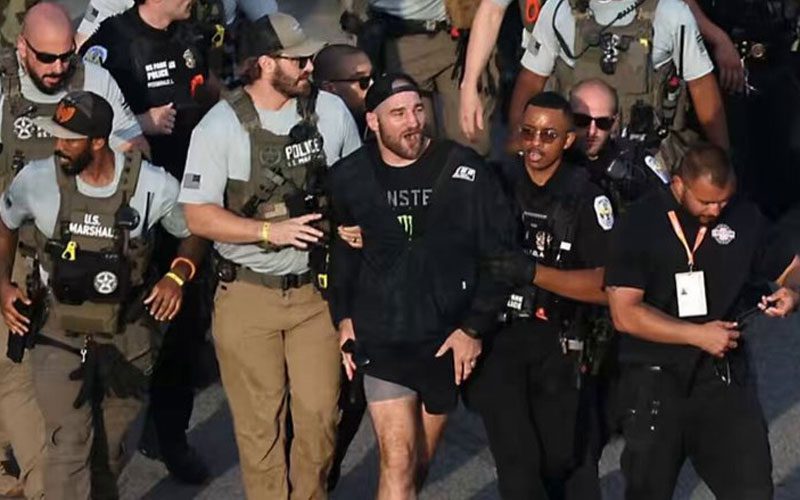
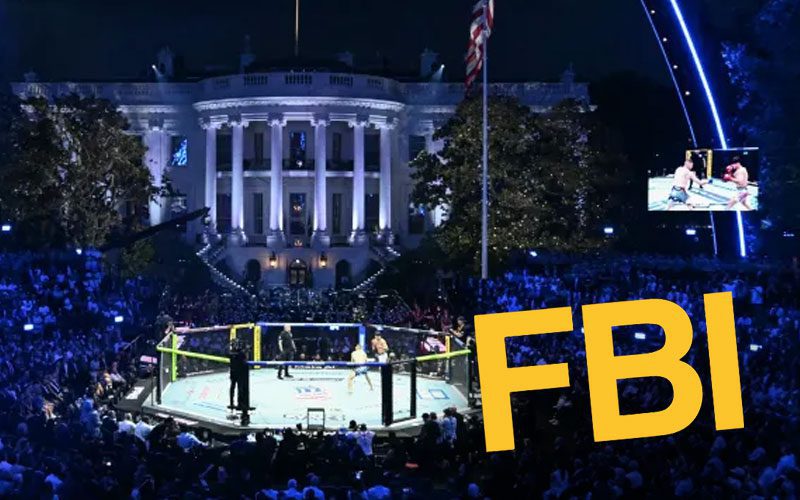
The staging of UFC Freedom 250 on the White House grounds was meant to be a display of domestic triumph. Instead, the aftermath leaves us discussing federal investigations rather than the breakdown of the heavyweight main card. As Ringside News reported, the FBI successfully intercepted a credible threat prior to the first bell. It casts a long, uncomfortable light on the viability of hosting high-profile combat sports in non-traditional venues.
Tactical failures in venue selection
Putting an octagon on a patch of grass guarded by the Secret Service is a logistical nightmare. For the actual fighters, the surface felt inconsistent. During the preliminary bouts, multiple athletes struggled with footing during lateral movement, resulting in sloppy transitions and compromised stand-up defense. A standard canvas provides specific kinetic feedback that was missing here.
Beyond the safety concerns, the booking feels disconnected from the sport's core rhythm. We saw excessive posturing from the broadcast team, trying to sell the venue as a historic achievement. Meanwhile, the actual fight card lacked the technical depth expected of a legacy number like 250. It feels like the promotional machine prioritized photo opportunities over the consistency of the fight promotion product.
Compromised atmosphere
The energy inside the temporary arena was noticeably sterile. Large chunks of the audience were filled with invited guests rather than the vocal, hardcore fight fans that drive the intensity of a standard arena show. Combat sports rely on the feedback loop between the crowd and the workers. Without the genuine roar of a partisan crowd, the impact of significant strikes was muted.
Booking these events in high-security zones creates a barrier to entry that hurts the optics of the sport. Fans are subjected to intense screening processes, and fighters feel the pressure of performing in a space that doesn't permit a natural flow. The results at UFC Freedom 250 were pedestrian, even if the security protocols were successful. I suspect the promotion will stick to the APEX or traditional arenas for future numbered events.
Predicting the fallout
Expect the next three mainline pay-per-views to return to standard indoor arenas with high-capacity seating. The risk-reward ratio for white-house style venues is too skewed toward administrative friction. My prediction? The next announcement will be a return to the T-Mobile Arena, leaning into the tried-and-true model where the focus stays on the 15-minute grind rather than the backdrop.
The promotion needs to stop chasing grandeur at the expense of the sport's character. If fans wanted a political rally, they would attend one. They tune in for the 20-percent finished-bout percentage and the raw, unscripted chaos of a cage fight, not for the sensation of being under federal observation.