The friction between roster loyalty and independent bookings
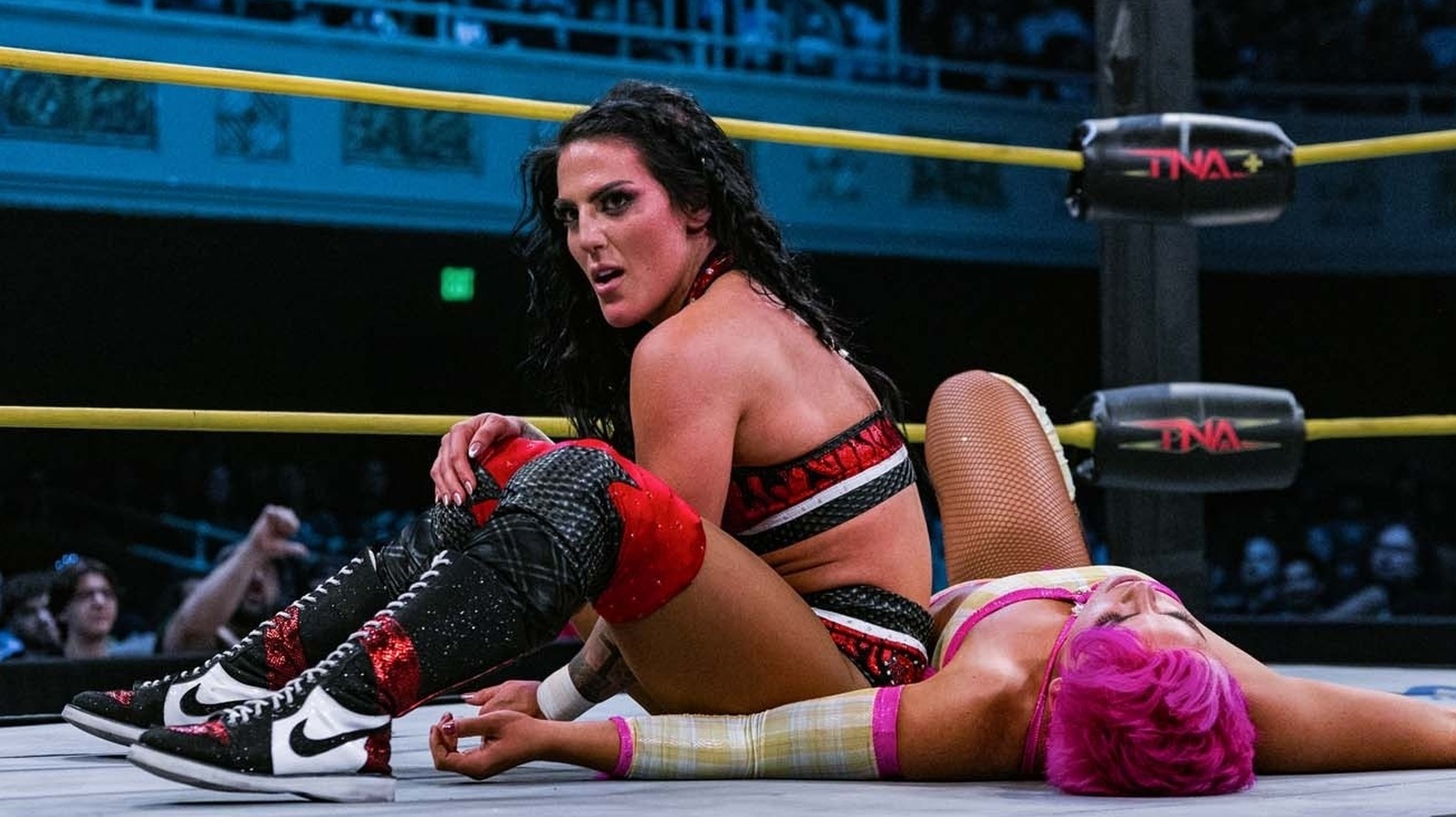
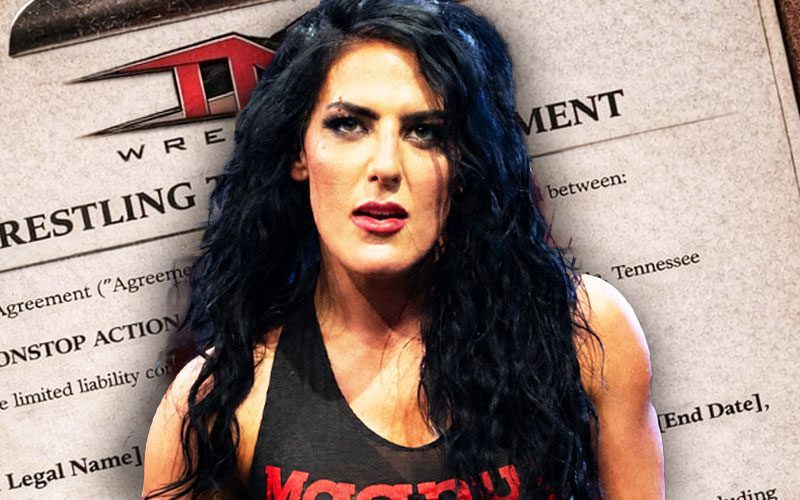
TNA management is currently wrestling with a familiar dilemma in modern professional wrestling. Reports surfacing this week indicate internal frustration regarding Tessa Blanchard choosing to maintain a consistent presence for CMLL rather than focusing exclusively on her TNA obligations. Management reportedly feels that the travel logistics and the physical toll of a dual-company schedule threaten the consistency they need on their own television broadcasts.
This isn't an isolated issue of a performer wanting to stay busy. Blanchard is operating in the Mexico City circuit, often finding herself working two or three times a week in high-intensity brawls that contrast sharply with the pacing of the current American independent scene. When a top-tier talent is constantly working for an outside organization, the home promotion loses control over the one thing that matters most: the ability to build a singular narrative rhythm around their roster's biggest names.
The strategic risk of the CMLL style shift
For those watching the technical exchanges in Mexico, the variance in intensity is clear. Blanchard has adopted a more aggressive, submission-heavy approach in CMLL that deviates from the flashier style she showcased in her early TNA runs. While this adds variety to her arsenal, it creates a visual disconnect for viewers who only tune in for the Impact Zone tapings.
We saw this tension boil over recently with TNA officials expressing dissatisfaction regarding her current trajectory. From a tactical standpoint, TNA is right to be concerned. When a wrestler spends their off-days absorbing the stiffer, grounded strikes found in Arena México, they often return to their primary employer with a lingering fatigue that lowers their output in opening 10-minute segments.
As reported by TNA sources, the frustration stems from the regularity of the CMLL bookings rather than the concept of working elsewhere.
I have observed a noticeable drop in her explosive counter-attacks over the last three weeks. Blanchard’s signature transition—moving from a standard vertical suplex position directly into a modified hammerlock—has been slower, lacking the clean execution we saw in the first quarter of the year. This suggests that the wear and tear from international travel is beginning to manifest in her kinetic performance.
Predicting the inevitable impasse
The solution here is rarely as simple as ordering a talent to stay home. Wrestlers today define themselves by their ability to conquer multiple environments. However, TNA has a long history of struggling to keep talent focused when the siren call of foreign promotions like CMLL becomes too loud to ignore. If Blanchard doesn't adjust her frequency, the likelihood of a major angle being derailed by a booking conflict is 85%.
My prediction? Blanchard will attempt to bridge the gap by shifting her CMLL appearances to a guest-spot basis, effectively pacifying TNA while maintaining the connection. If she ignores the internal signal and keeps to her current schedule, she will likely lose her spot in the main event hierarchy by the end of the summer. The promotion needs certainty, and right now, she is offering them constant negotiation.