The silence in the booth
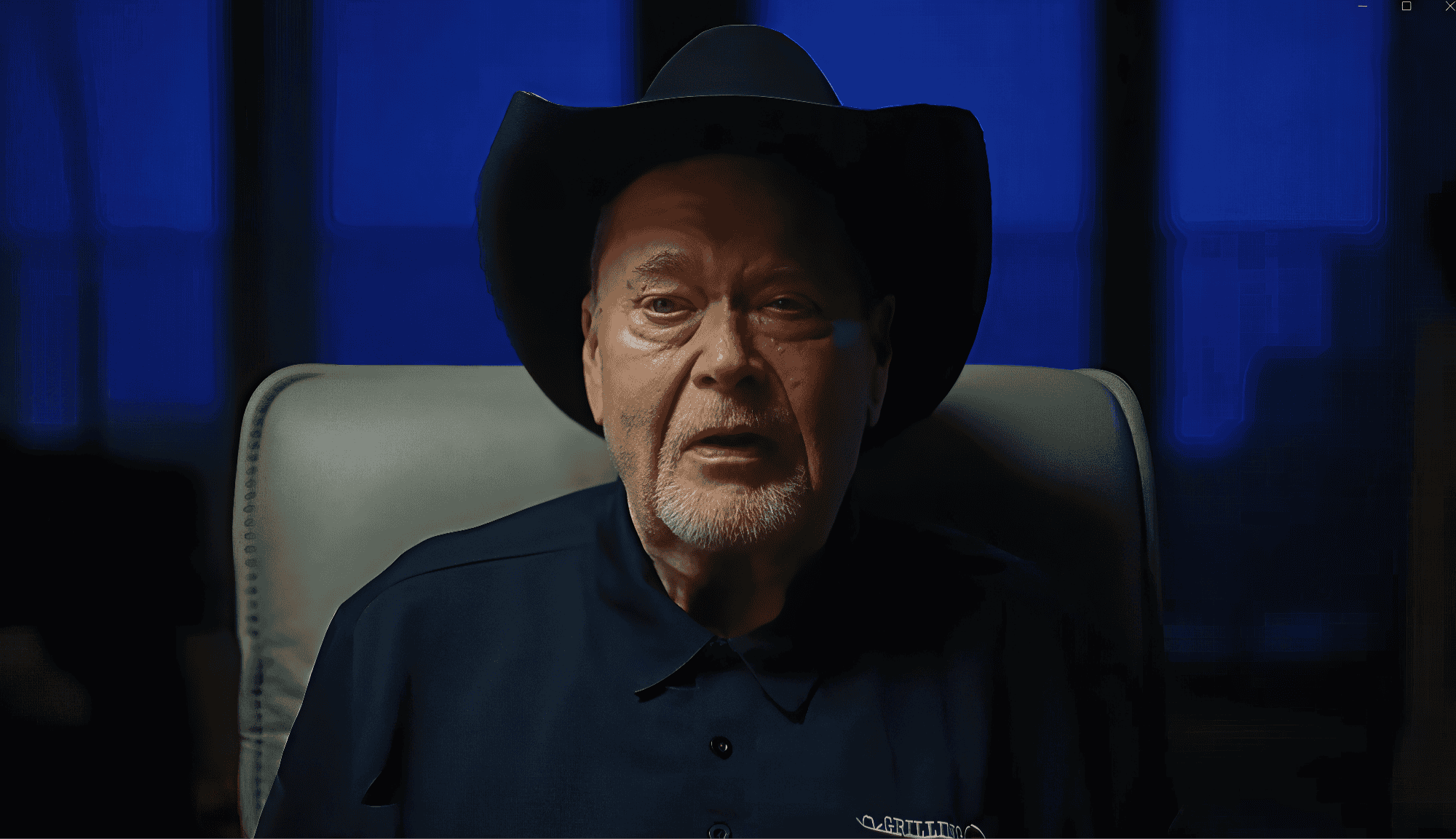
Professional wrestling television is often dominated by rapid-fire production, frenetic pacing, and the relentless hum of commentary. Since late May 2026, a specific frequency has been missing from the AEW broadcast desk. Jim Ross, the man whose voice defined the high-water marks of the Attitude Era, has been absent. The industry is currently contending with the reality that his voice is absent from the airwaves as he manages ongoing health complications.
As PWInsider reported, this marks yet another setback for the WWE Hall of Famer. Ross, who currently serves as a commentator for AEW, confirmed through his own social media channels that he has been confined to a hospital bed for an extended duration. The physical toll of the industry is often discussed in terms of those who compete, but the toll on the veterans behind the microphone is frequently overlooked until a silence like this occurs.
The math of a lingering absence
We are currently on day 22 of his hospital stay, according to reports from BodySlam.net. The math here is simple and discouraging: three weeks of professional inactivity for a man who has structured his life around the schedule of the ringside seat. As WrestlingNews.co noted, Ross himself is framing this as a fight, characterized by his recent updates regarding his recovery time.
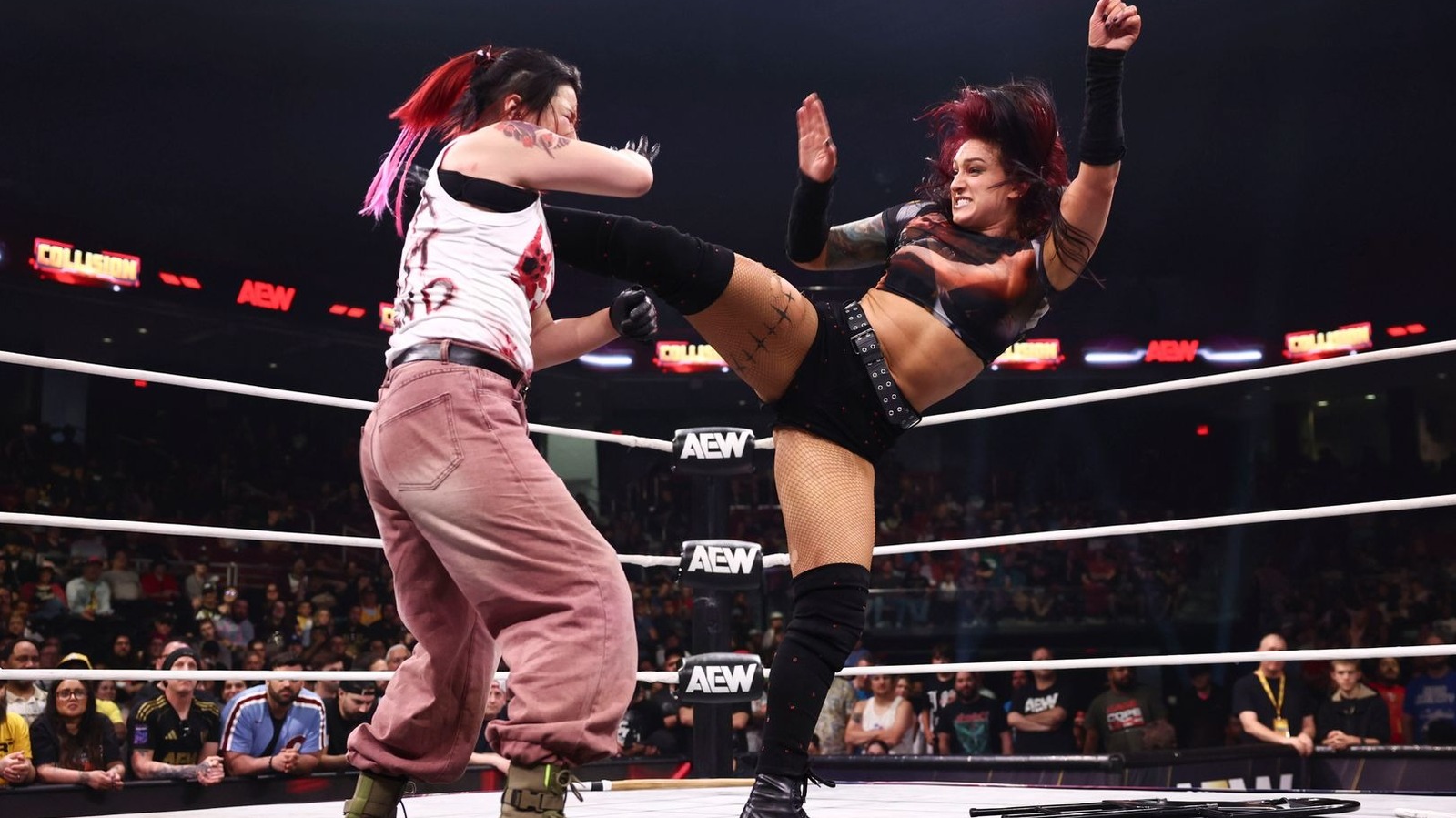
The current commentary team has been forced to shift their cadence to accommodate the vacancy. Ross possesses an uncanny ability to identify the precise moment a match crosses from a standard contest into a spectacle. Without that, the pacing suffers. Matches that might have been elevated by the weight of a seasoned observer's call feel flatter, more mundane, and lacking the institutional gravitas Ross historically provides. That is not a knock on the current crew; it is an acknowledgement of how difficult it is to replace a singular, irreplaceable talent.
Defining the standard
The critique here lies in the promotion's reliance on a singular voice to carry the emotional load of the main event. When a primary commentator is removed from the equation for 22 days, the lack of a backup plan becomes painfully obvious. AEW has struggled with the flow of their commentary teams for some time, and this medical emergency has forced an inconsistency in tone that fans notice during every commercial break.
Ross has spent his career dissecting the mechanics of wrestling, from the leverage on a basic snap suplex to the rhythm of a back-and-forth chain wrestling sequence. His recovery is the priority, but his absence creates an analytical hole in the product that cannot be patched by a rotating cast. The goal was always to bring stability to the desk; currently, that objective is failing under the weight of reality. Predicting his return date remains a fool's errand, but the immediate future of the broadcast desk will lack the necessary spark he brings to the table.