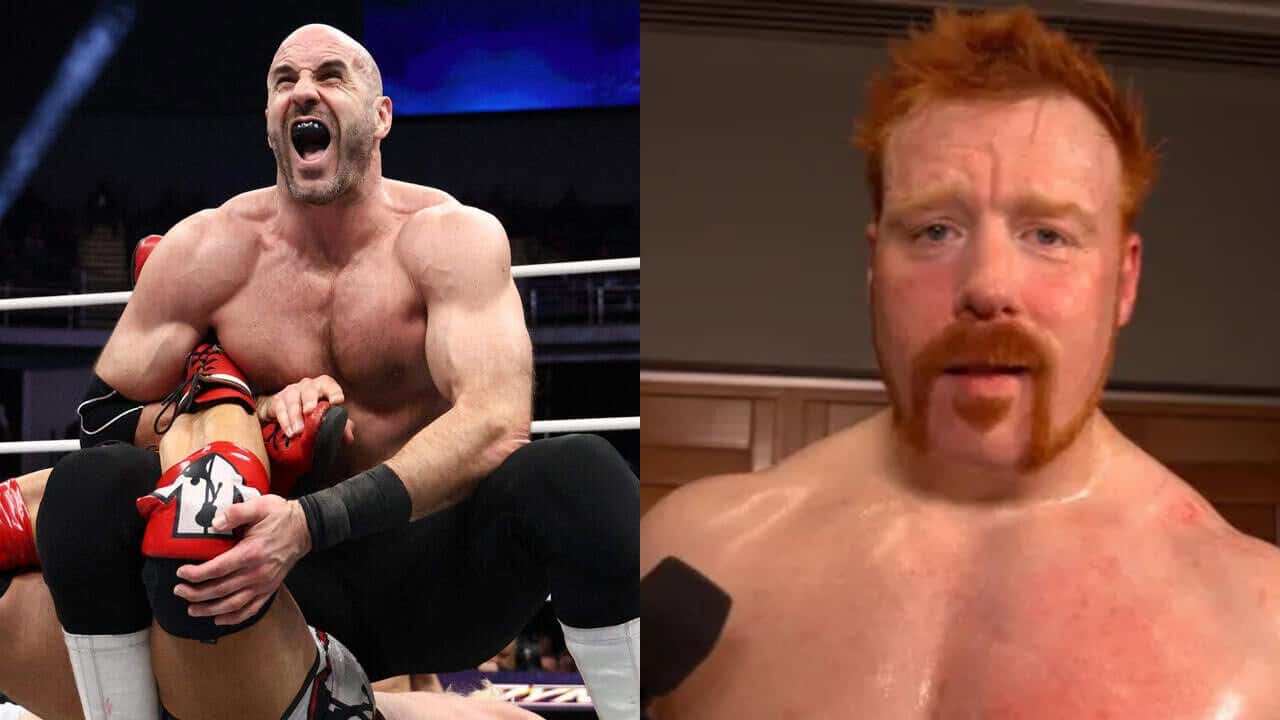
TNA's history remains a goldmine that Dark Side of the Ring ignored
The myth-making machine failed to deliver
Documentary series often prioritize ease of access over narrative depth. When the creators behind Dark Side of the Ring elected to cover TNA Wrestling, they faced a literal mountain of chaos. Yet, according to Jeff Jarrett, the final product barely scratched the surface of what actually occurred during the company's tumultuous developmental and creative phases. It is a familiar critique of the brand: the production values might be high, but the historical rigor is frequently absent.
Jarrett’s commentary suggests that the most compelling stories within the TNA archive were left on the cutting room floor. This is not just a missed opportunity for viewers; it is a disservice to the industry’s broader memory. The show opted for low-hanging fruit instead of investigating the systemic booking inconsistencies that defined the Jarrett-Dixie Carter era. A serious look at the promotion requires more than just interviews with disgruntled former talent.
The Lucha Brothers and the shadow of big-league uncertainty
While industry historians look backward at TNA, the current landscape of tag team wrestling relies on stars like the Lucha Brothers. Penta recently spoke with the Dallas Morning News, asserting that a reunion is inevitable rather than hypothetical. His confidence is striking given the current shifting loyalties in global wrestling. Watching Penta and Rey Fenix navigate their individual paths in the ring is a technical masterclass, but the lingering question remains: will a WWE stage offer them the creative consistency they enjoyed previously?
As Ringside News noted regarding the Lucha Brothers status, the timing is everything. A reunion in a larger promotion often requires a compromise on their high-flying intensity. If they sacrifice the fluidity of their signature moves for a safer, house-show style, the audience loses the very edge that made them marquee names. Any move to a different promotion must be analyzed through the lens of performance retention, not just contract value.
Missing the mark on creative failure
The failures of documentary storytelling extend to the production side as well. As F4WOnline reported on recent developments, the creators of Dark Side of the Ring struggled to land specific topics that would have balanced their coverage. When a project is built on the premise of uncovering forbidden history, failing to secure the essential participants makes the entire project feel incomplete. An investigative piece is only as strong as its consensus.
The current state of professional wrestling coverage leans heavily into nostalgia or hype. It ignores the granular data that informs why certain wrestlers succeed and why companies collapse. For example, looking at the reveals from Jeff Jarrett, one wonders how many booking sheets or internal meeting memos remained unexamined by production teams. Without the primary documentation, you are left with anecdotes, not history.
Performance benchmarks and the future of the tag division
If we are to evaluate the Lucha Brothers, we must focus on their match work rate rather than locker room whispers. Their recent outings demonstrate a reliance on complex, tandem maneuvers that risk injury if performed at a high frequency. Should they return to a major league program, the expectation of a 60% high-risk output may have to be scaled back. This is the reality of adapting to a schedule that demands more endurance than high-impact bursts.
The lack of rigorous scrutiny in wrestling media is a genuine problem. We allow talent to dictate the narrative too easily without cross-referencing their claims against recorded history. Jeff Jarrett knows where the bodies are buried, and the fans deserve the full, unvarnished story. Until someone finds a way to present TNA’s history with total accuracy, we are stuck with biased retellings that serve personal agendas rather than objective reality.
Perhaps the most disappointing aspect of current wrestling documentaries is the complete lack of tactical analysis regarding the matches themselves. We obsess over the drama of departures and reunions but rarely analyze how a performer's physical output changes when they change organizations. That is where the real story lives. The industry needs critics who track the decline or elevation of a wrestler's move set as closely as a football analyst tracks a midfielder's passing map.
WWE Elite Series 110 - Roman Reigns
Acknowledge the Tribal Chief with this premium Elite figure.
Frequently Asked Questions
What is Jeff Jarrett's opinion on the TNA Dark Side of the Ring episode?
How does the author characterize the production value of Dark Side of the Ring?
What is the current status of the Lucha Brothers regarding a potential reunion?
Why might a move to a major promotion be difficult for the Lucha Brothers?
What issues did producers face while creating the TNA documentary?
More Coverage

WWE’s new openness is the biggest shift in years
an hour ago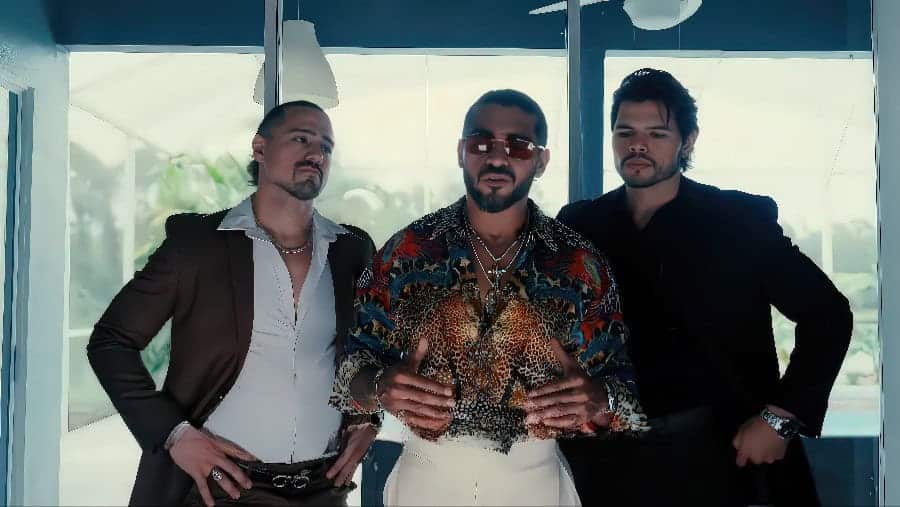
Santos Escobar is betting on Hollywood while Ciampa reclaims his identity
an hour agoThe Raw and Smackdown brand split is officially a mess
2 hours agoMike Santana is the wild card for this weekend's TNA return
2 hours ago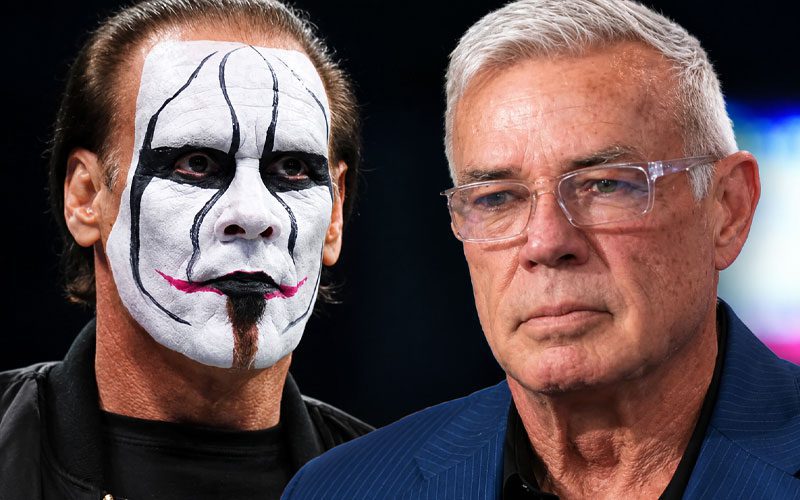
Sting's TNA tenure proves the danger of personality-driven booking
2 hours ago
WWE is setting the stage for a SummerSlam bloodbath of tag teams
4 hours agoMore Analysis
WWE’s new openness is the biggest shift in years
an hour ago
Roman Reigns and Seth Rollins are running it back for the last time
an hour ago
Santos Escobar is betting on Hollywood while Ciampa reclaims his identity
an hour ago
Chris Jericho thinks Kyle Fletcher is AEW's next breakout star
an hour ago