The disconnect between labels and logic
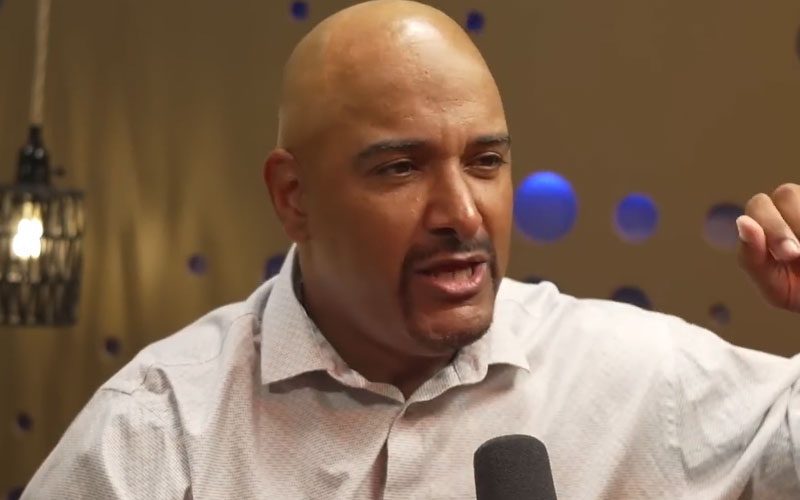
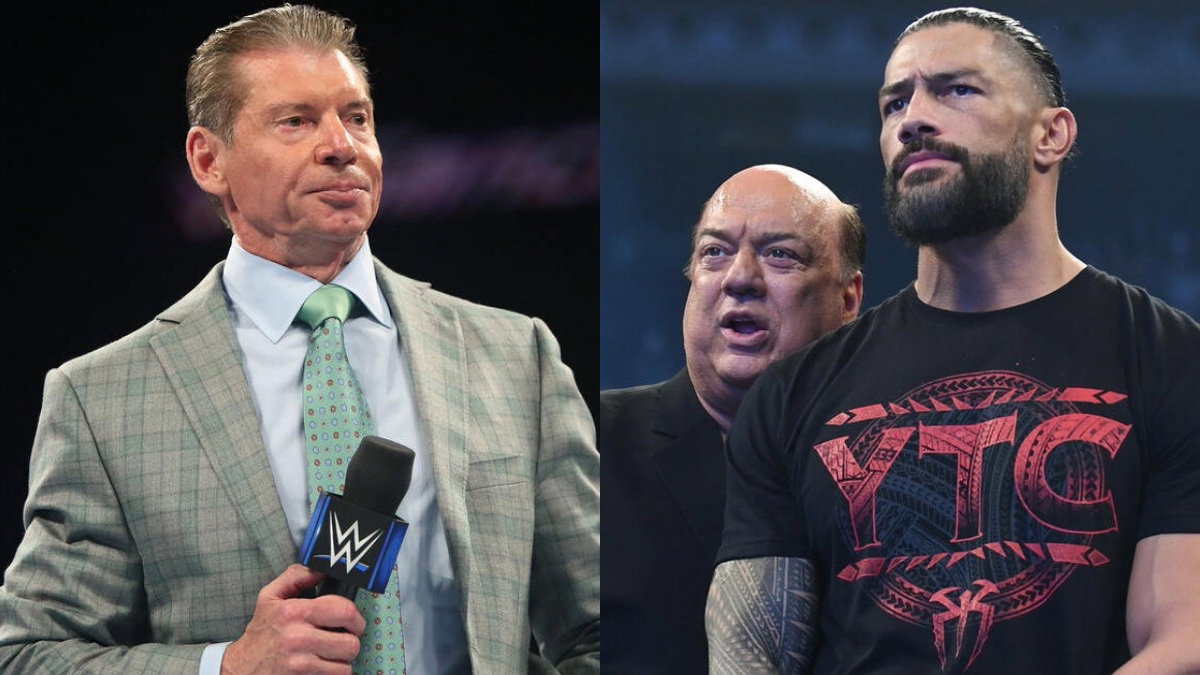
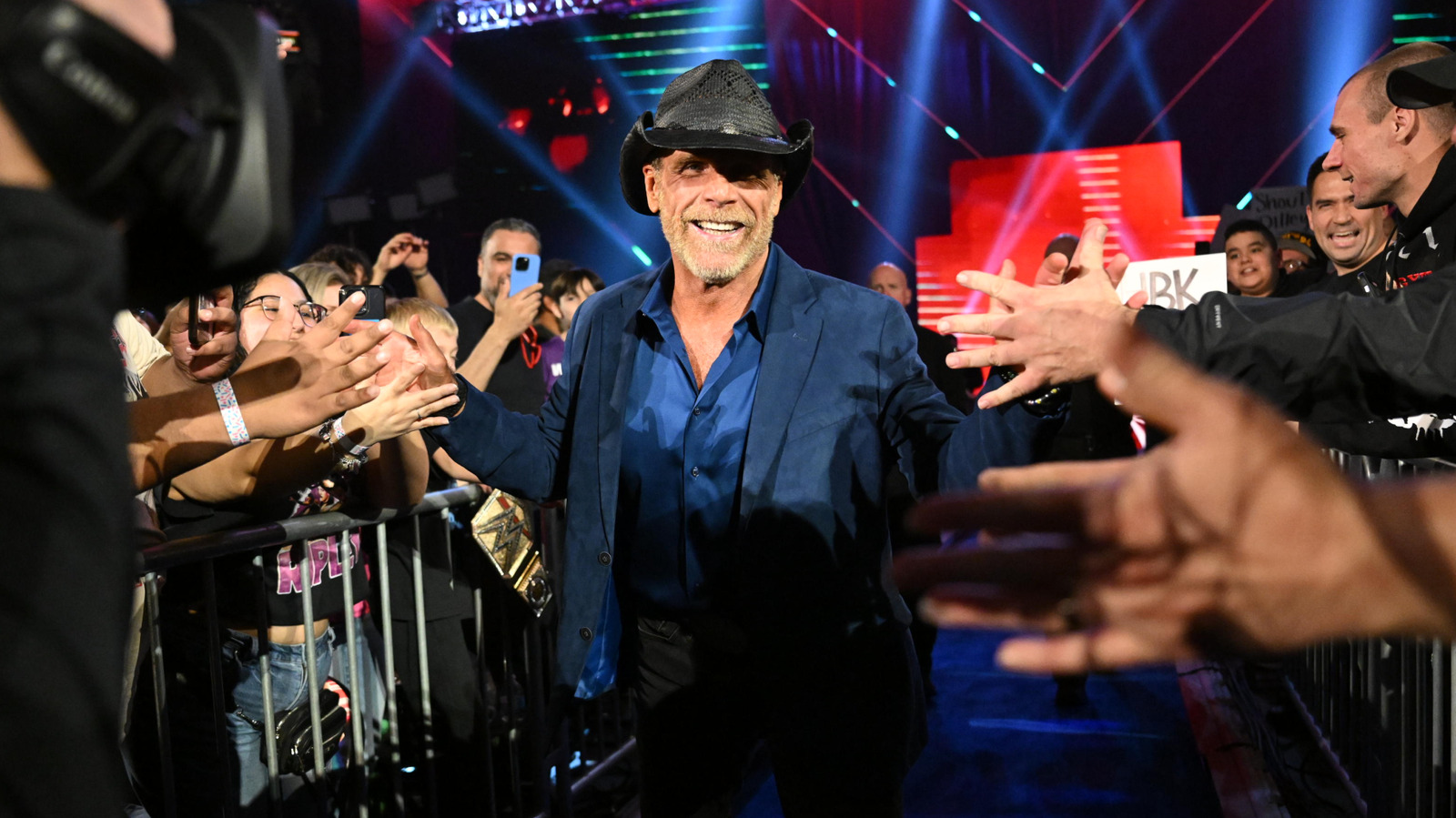
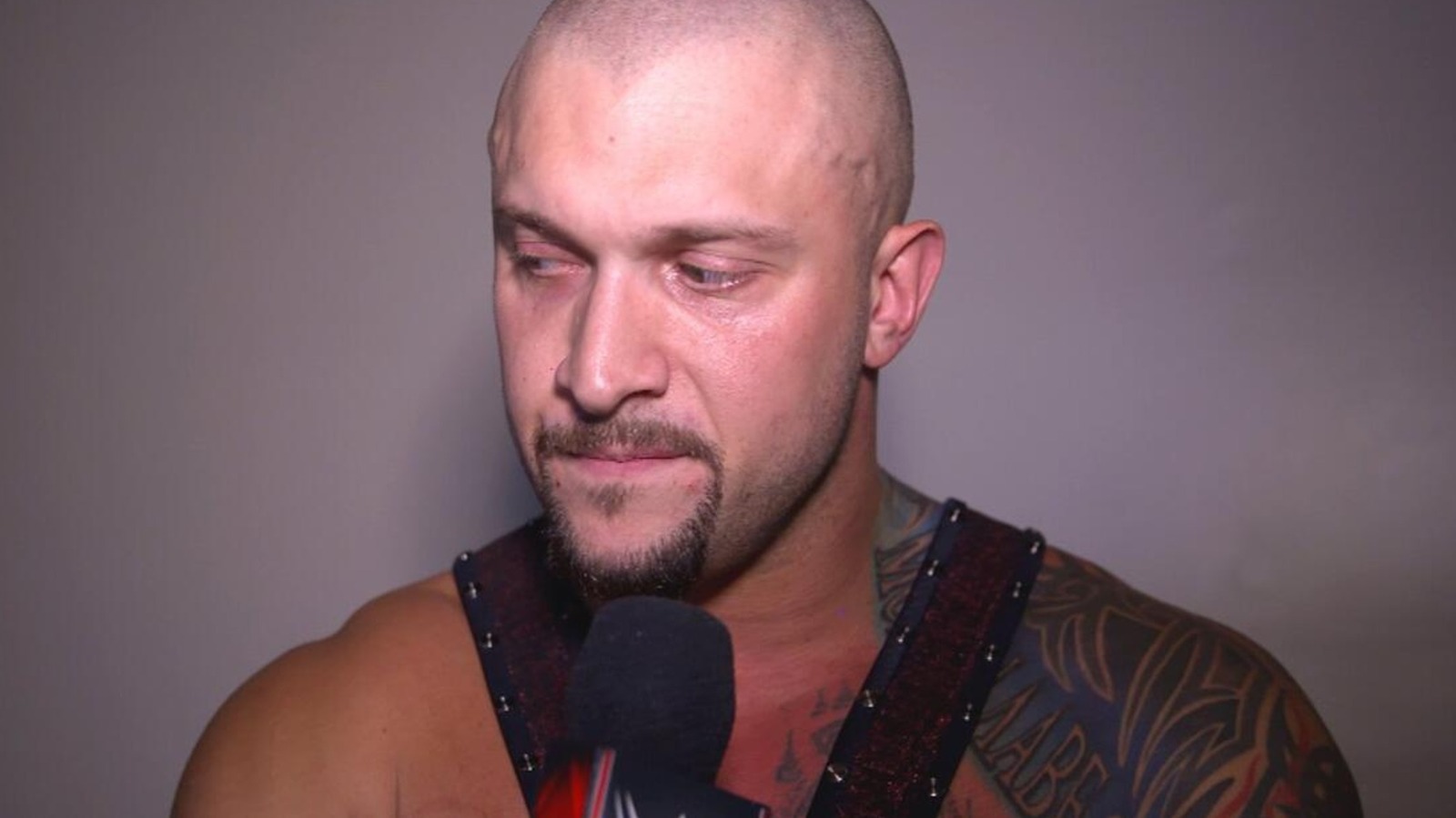
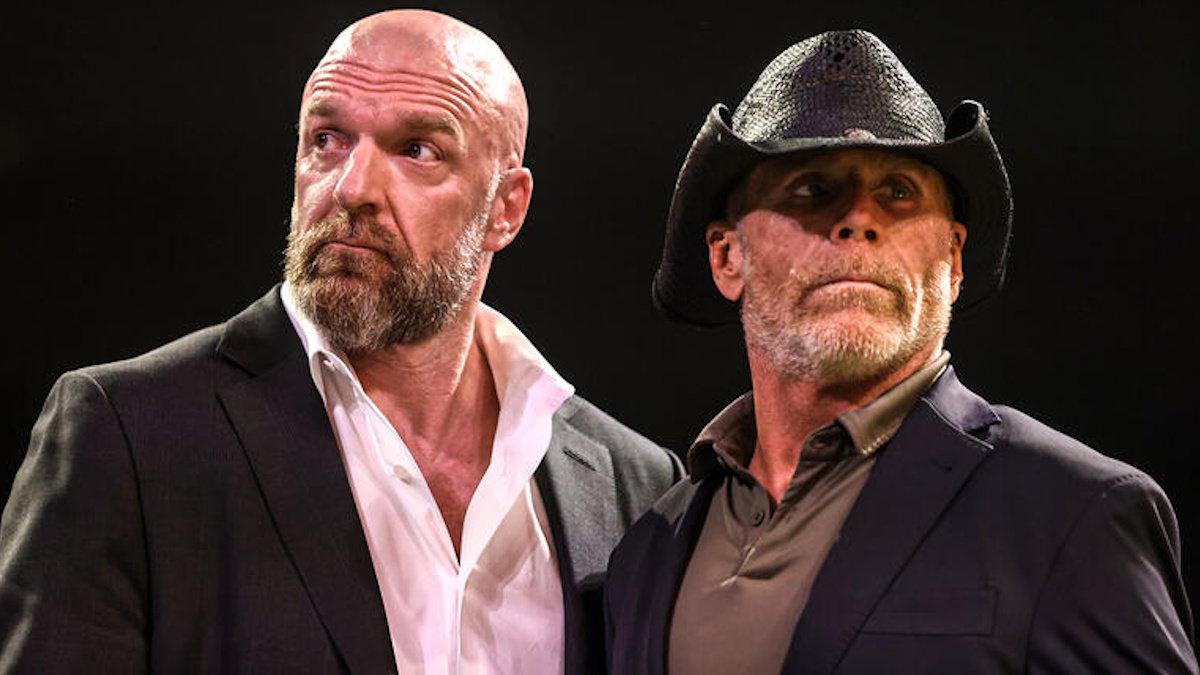
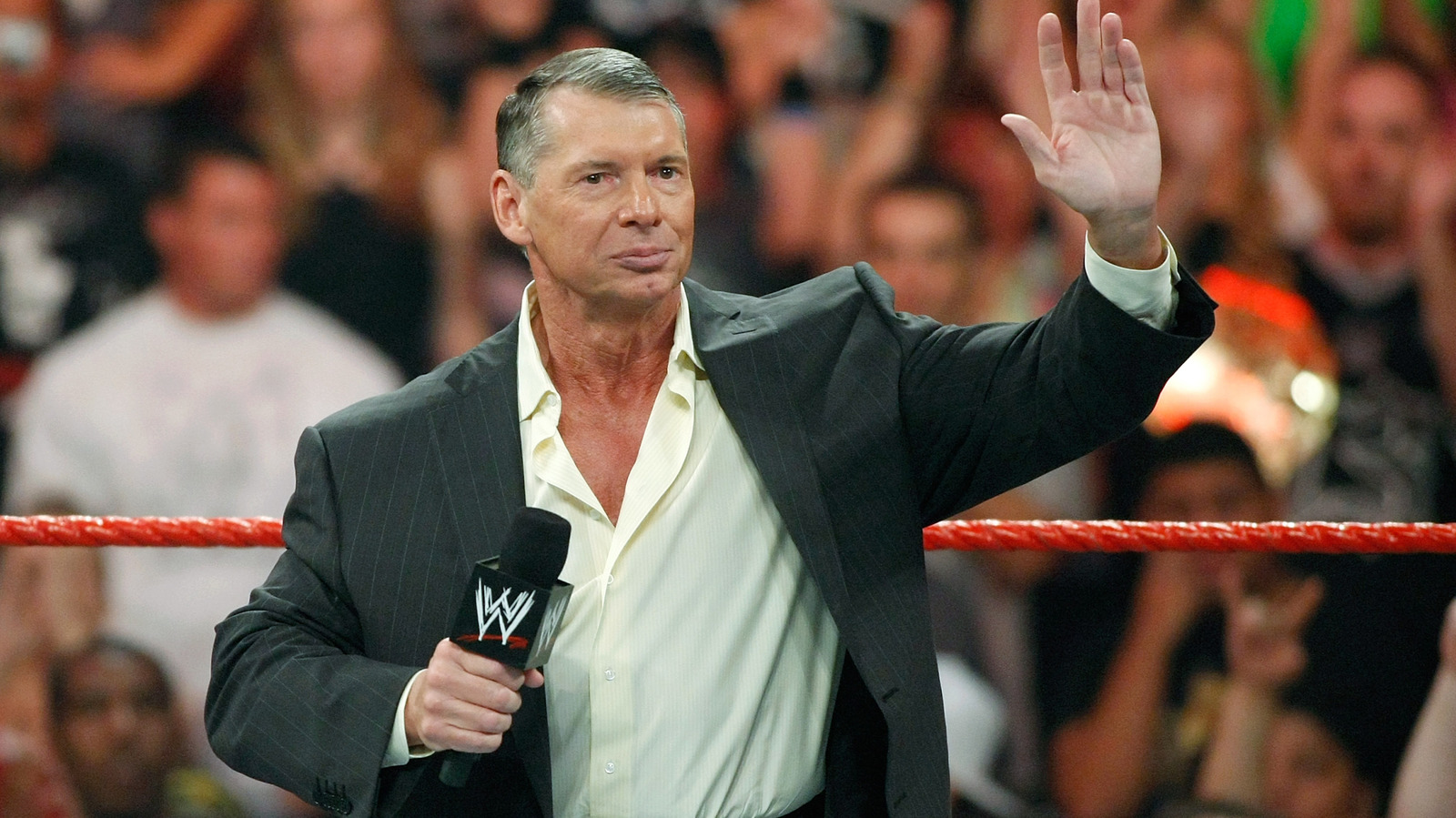
Former WWE writer Chris Dunn recently revealed that Vince McMahon classified specific stars as a national treasure during his tenure. This framing is fascinating given that those same performers were released from the roster shortly after. It highlights a core issue in how top-level talent is managed during periods of corporate upheaval.
When leadership declares a performer a vital asset but jettisons them within the same business cycle, the resulting narrative vacuum is predictable. It prevents the audience from developing a long-term connection with the characters. Fans are smart enough to recognize when a push is performative versus when it is a structural commitment.
We have seen this pattern before, and it rarely ends with a successful long-term angle. Following the sanctions imposed on WWE leadership in the recent shareholder litigation, the internal focus appears to have shifted away from stable long-term booking.
The cost of high-turnover booking
Managing a roster requires consistency, yet the current climate prioritizes short-term shock value over sustainable growth. Treating talent like disposable commodities while paying lip service to their value creates a culture of uncertainty that is evident on-screen.
Consider the logic behind the releases referenced by Wrestling Inc reports. Losing performers who were allegedly regarded as essential icons suggests a massive gap between office sentiment and television execution. If the creative lead views someone as a national treasure but the booking team sees them as a salary dump, the product suffers the moment the bell rings.
The current state of the promotion mirrors a ship losing steam while the engine is being dismantled. It is not just about the loss of names; it is about the erasure of established history. Every time a performer with deep fan equity is released without a meaningful goodbye, it lowers the ceiling for the entire division.
Predicting the impact on the product
Booking will continue to feel disjointed as long as the corporate legal shadow looms. The next quarter will likely be defined by a fixation on efficiency metrics rather than compelling storytelling. I expect viewership metrics to plateau or slightly dip because the audience detects the lack of urgency in building new stars.
The talent are currently working under impossible conditions where tenure is no longer a safety net for quality output. Watch for a decrease in match length for mid-card segments, as the producers look to trim costs wherever possible. The average match time for secondary title bouts will likely hover around the 8 minute mark as they prioritize turnover over technical development.
I predict that we will see a shift in signing strategies by late 2026. The promotion will attempt to pivot toward low-cost, high-impact acquisitions to fix the booking gaps left by the recent departures. However, without a coherent creative vision, these new names will vanish just like the last group of national treasures.
We are watching a strategy that refuses to learn from its own history. Until the boardroom settles its disputes, the wrestling product will remain a secondary concern to the legal filings. Betting on stable, long-form narratives right now is a losing game.