JBL's revisionist history and the billionaire worship
Pull up a chair, grab a cold beer, and let’s talk about the absolute delusion floating around the wrestling business this week. If you’ve been listening to the podcasts lately, you might think Vince McMahon was a mix of Walt Disney and Steve Jobs. WWE Hall of Famer JBL went on Something To Wrestle and argued that the business and entertainment worlds are better off with Vince in them.
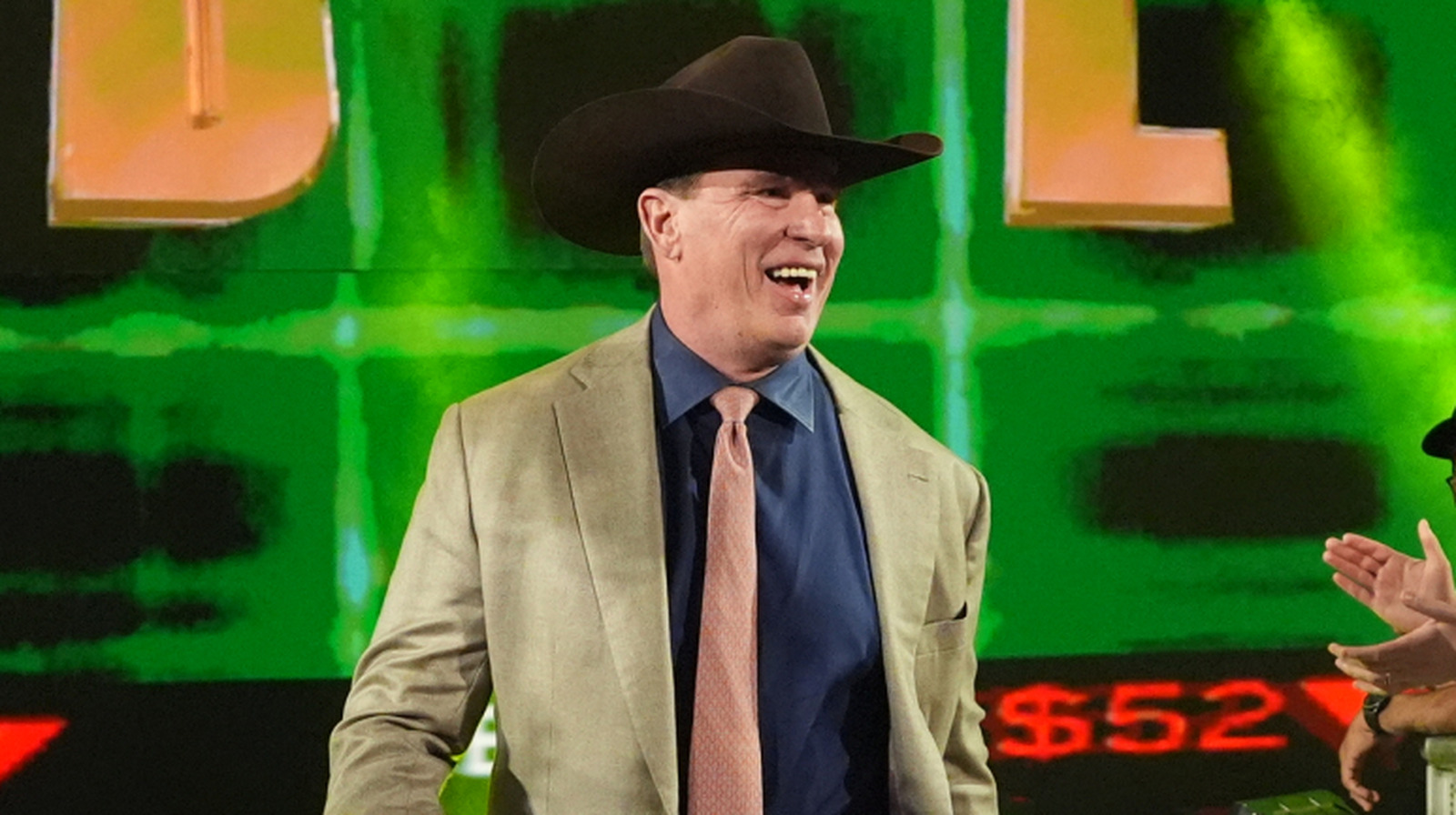
JBL was talking about Vince’s potential return to the entertainment industry, possibly with his new venture, 14TH & I. He talked about Vince like he’s some kind of immortal mastermind. JBL did not mince words, saying that Vince took a $1 million investment and "turned sold it for $9.3 billion." He claimed it was "one of the greatest stories in American history" and asked if Vince would be good to come back and do something at 81, answering with a resounding "hell yes, he would."
Let's unpack that for a second. Yes, Vince sold the company for $9.3 billion, and nobody is disputing the financial ledger. But JBL’s nostalgia acts like the last ten years of Vince's creative control didn't happen. It completely ignores how painful the actual television product was to watch, with scripts being ripped up minutes before airtime.
It has been nearly four years since Vince resigned amid Janel Grant's horrific sex trafficking and abuse lawsuit. The case is now heading to private arbitration, and some folks are already trying to rewrite history to paint him as a genius. JBL even joked that Vince told him he is going to live forever, but his creative style should stay buried in the graveyard of the 2010s.
Edge, Vince, and the Brood 2.0 that almost got buried
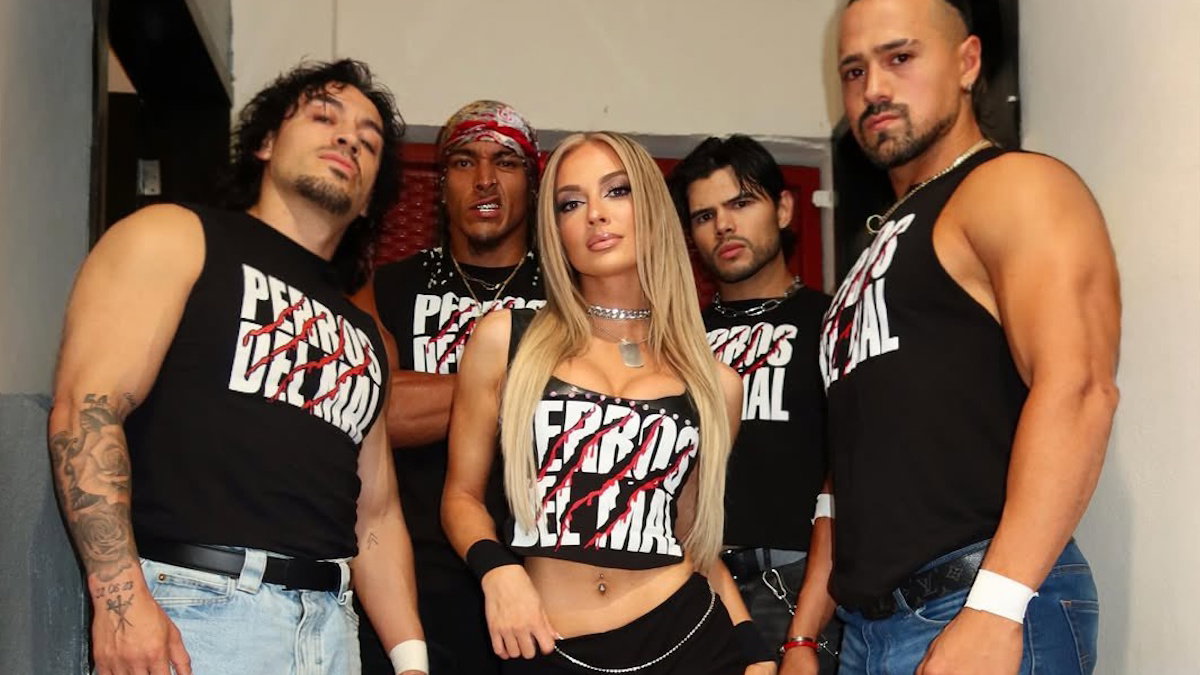
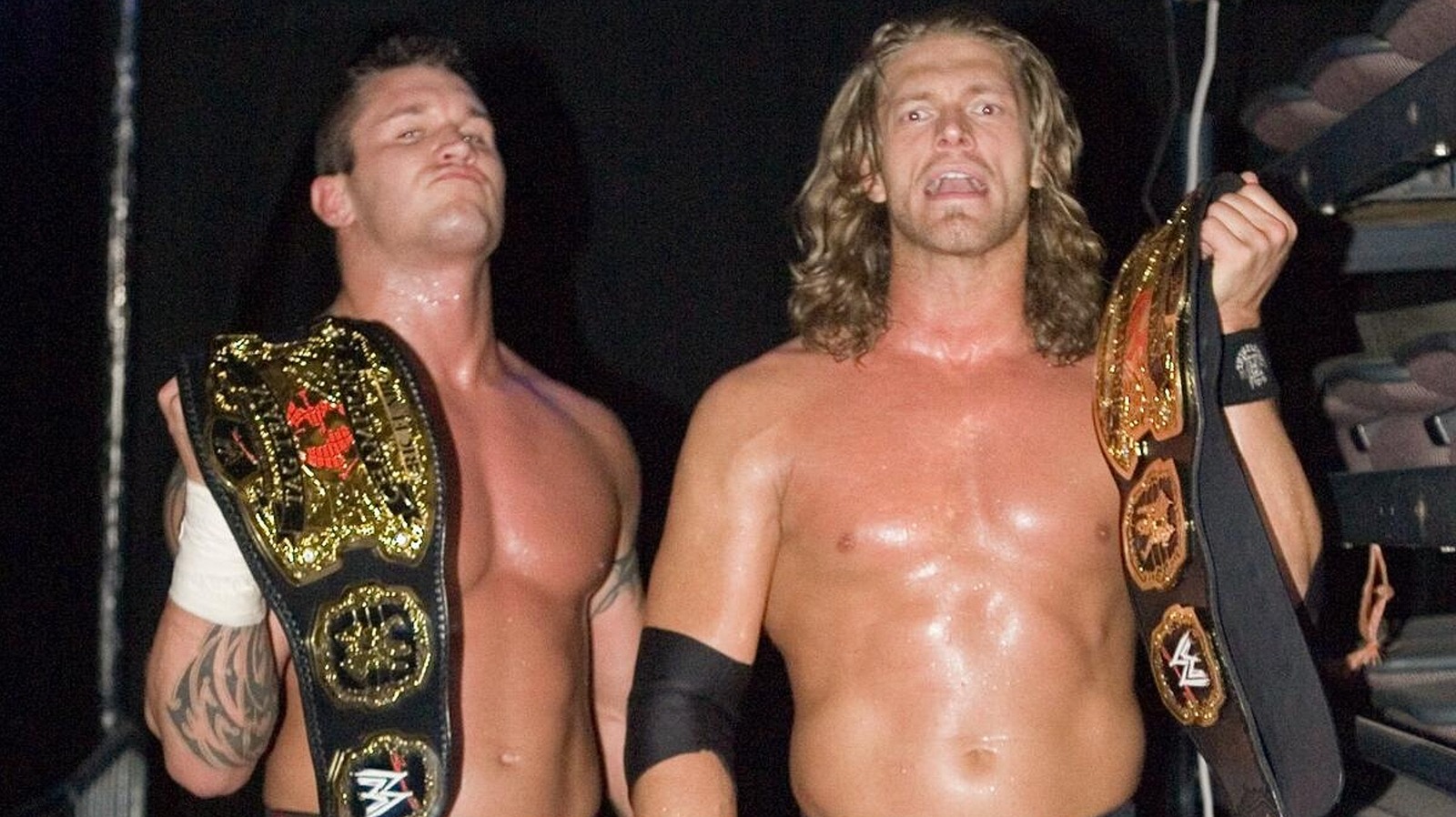
If you want a reality check on Vince's late-stage creative genius, look no further than Adam Copeland’s recent comments. The artist formerly known as Edge sat down with SHAK Wrestling to reveal the origins of The Judgment Day back in 2022. When Copeland suggested Damian Priest and Rhea Ripley for a new Brood-style group, Vince's reaction was telling.
Copeland didn't sugarcoat the interaction. He laid out exactly how Vince reacted when he pitched the two future champions:
"Vince said, ‘I want you to start a group and I want it to be like The Brood.’ And I went, ‘Okay, okay.’ So I’m thinking three people and he said, ‘Who would that be?’ I was like, ‘Damian Priest and Rhea Ripley.’ No hesitation. Those are the two people that could make this pretty cool group. He was kind of surprised by that, and that made me realize he didn’t understand what he had in those two, and I thought that was a shame."
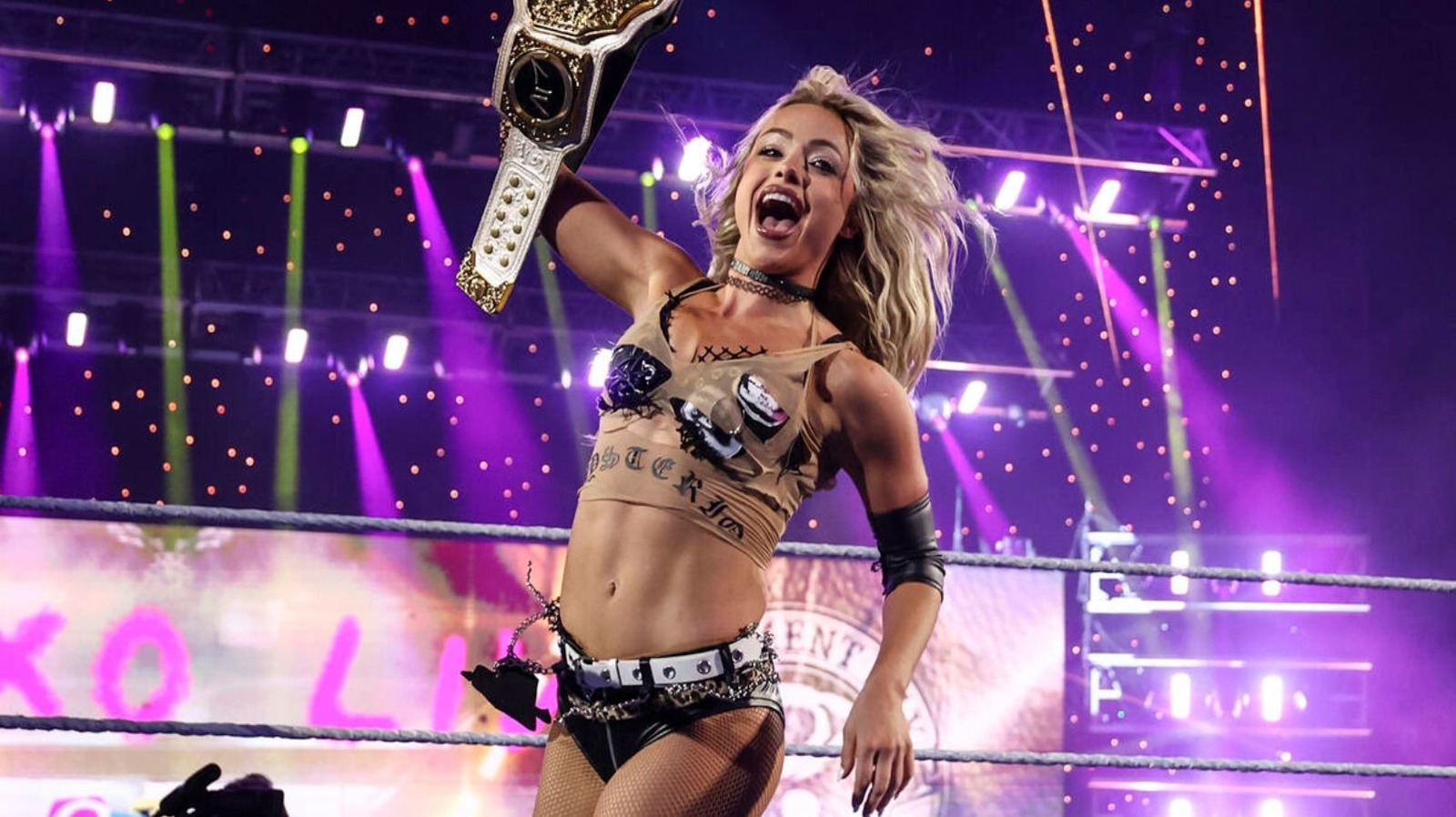
Think about that. Vince McMahon, the supposed visionary, had Rhea Ripley and Damian Priest on his roster and had no clue what they were capable of. If Edge hadn't pushed for them, they might still be spinning their wheels in mid-card purgatory. Instead, Rhea is a massive star, and Priest has held world championship gold.
Edge wanted the stable to be a vehicle for the younger talents to get reps and experience. Of course, Vince's creative team shifted things after Cody Rhodes got injured in 2022. Finn Balor joined the group, they kicked Edge out, and they turned heel.
Edge ended up feuding with them for one year alongside Rey Mysterio, which helped establish them as top-tier bad guys. That massive storyline finally wrapped up when Edge beat Demon Finn Balor in a Hell in a Cell match at WrestleMania 39.
Heyman's view from Gorilla: Triple H and the algorithm era
The contrast between the old Vince way and the current Triple H regime is night and day. Paul Heyman explained this dynamic beautifully on the Insight podcast. Sitting in Gorilla Position on SmackDown, Heyman described Levesque as a collaborator who actually listens to people.
According to Heyman, the job of running creative has changed dramatically. Triple H has to answer to multiple distributors, corporate partners, and network executives. Heyman explained that the modern corporate setup requires a different kind of leader.
"Paul Levesque is the best person for that job. He's a collaborator. He pivots. He understands. And he understands that what works today may not work tomorrow, and what works tomorrow may not work in two days."
Heyman also detailed how Triple H constantly evaluates the product to ensure everything makes logical sense. He looks at whether storylines work and if they progress characters into actual attractions. Vince's creative meetings were dictatorship sessions where one man's whim overrode months of planning.
Triple H's collaborative approach is the reason WWE has felt so fresh lately. If Heyman were to start a new wrestling company today, he said Levesque is the first person he would hire.
The internet's fake beef and the actual work
While the corporate suits worry about algorithms, fans online are still obsessed with backstage gossip and fake heat. A prime example is the online uproar over Copeland's old AEW Collision promo with Ricky Starks. Fans spent weeks analyzing their body language and writing essays about their supposed real-life hatred.
Copeland cleared the air on SHAK Wrestling, laughing off the drama. He explained that it was just another day at the office for two professionals. Copeland recalled that Starks started "cutting a promo on me, and I was like, well, I’m not in an angle with him, okay?" He compared the exchange to "a thousand promos in the Attitude Era" and said that by the next day, it was simply a matter of "I don't care."
This is the classic Attitude Era veteran mindset versus the modern internet wrestling community. The fans want everything to be a shoot, a locker-room conspiracy, or a personal vendetta. To the guys actually in the ring, it is just another day at the office.
They cut the promo, go to the back, grab a slice of pizza, and move on. Ricky Starks is now in WWE while Copeland is still in AEW, and neither of them is losing sleep over that promo.
The real cost of the new corporate regime
But let's be honest, the new era isn't all sunshine and rainbows. While the creative direction under Triple H is a massive upgrade, the corporate side under TKO is squeezing the fans dry. Since TKO took over, ticket prices have skyrocketed to ridiculous levels.
Good luck getting a decent seat at a premium live event without taking out a second mortgage. They are also cutting back on local house shows, which used to be the lifeblood of the business for fans living outside major media markets.
So when JBL praises Vince for turning a tiny investment into a massive billion-dollar sale, he is looking at it through a pure corporate lens. That sale made a lot of rich people even richer, but it didn't make the fan experience any cheaper. In fact, it did the exact opposite.
The corporatization of wrestling has created a product that is highly polished but increasingly corporate. Fans are paying more than ever to watch the show.
Still, I would rather pay more for a logical product run by Triple H than watch the chaotic mess of Vince's final years. We don't need Vince back in the entertainment world at age 81, no matter how many podcasts JBL does.
The business and the talent have moved past him, and the fans certainly have too. Let him focus on his new company and let the rest of us enjoy a product that actually makes sense on Friday nights.