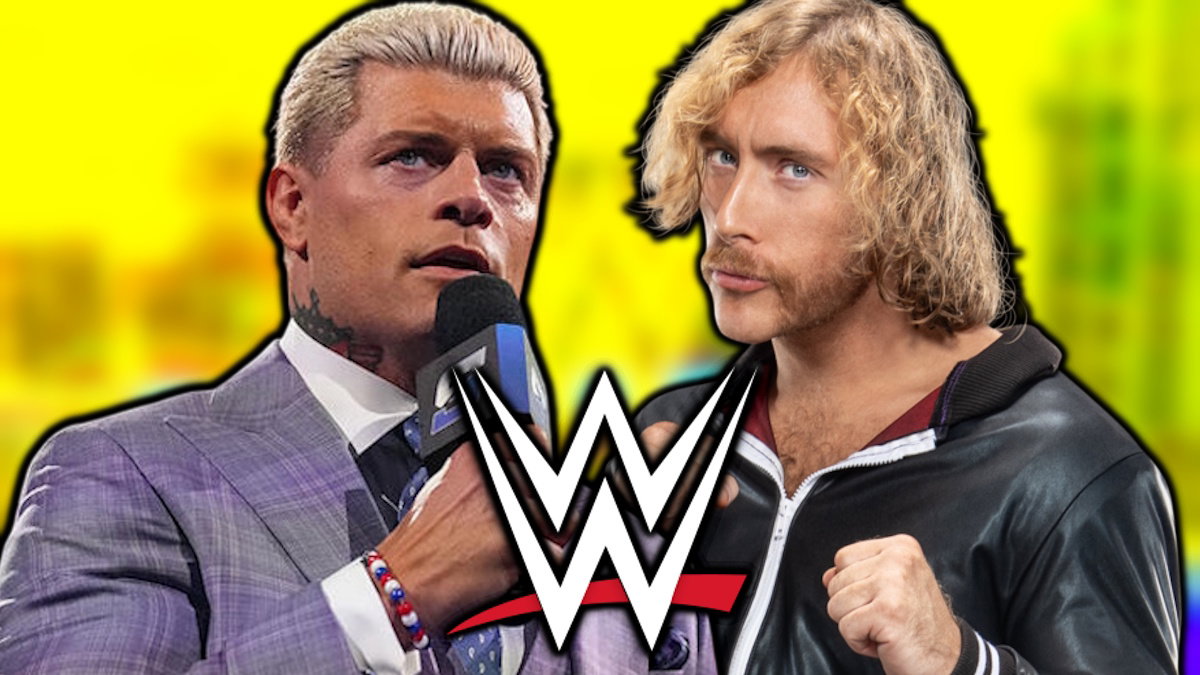
WWE keeps protecting the RKO while their future stands still
The IP Machine
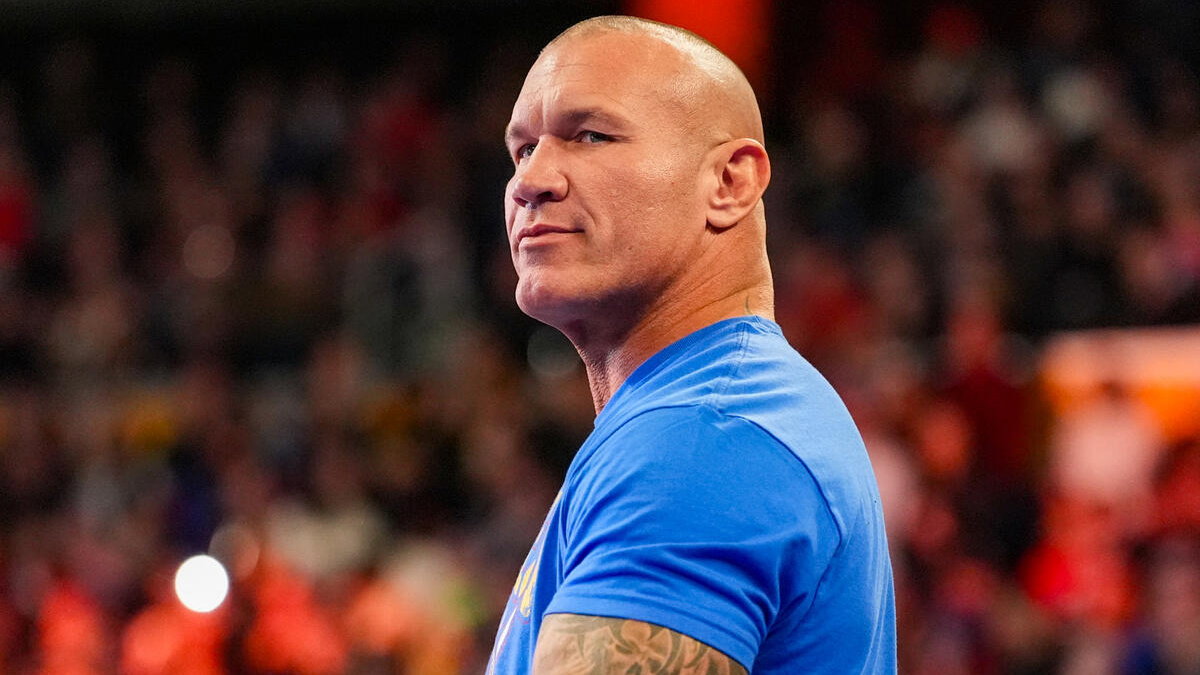
On July 7, 2026, WWE submitted a new trademark application to the United States Patent and Trademark Office. The filing targets the three letters that have defined Randy Orton’s career: RKO. As WrestleTalk reported, this filing is a routine protective measure.
It covers wrestling exhibitions, televised performances, and online merchandise lines. The timing of the filing is what catches the eye. Orton has been absent from WWE programming since April, taking a scheduled hiatus to rest his body.
While he sits at home, the corporate machine continues to secure his commercial rights. This is the modern reality of professional wrestling. The performer rests, but the intellectual property never sleeps.
A trademark filing like this shows where WWE’s priorities lie. They are protecting a brand that has generated millions of dollars in merchandise sales over two decades. The RKO is not just a finishing move anymore.
It is a commercial asset that must be guarded against third-party infringement. This corporate diligence is smart business. Yet, it highlights a deeper creative stagnation within the company.
Under TKO Group Holdings, the company operates more like an intellectual property firm than a traditional wrestling promotion. Every character is a licensing package. Every signature move is a registered logo.
This approach protects revenue streams during transition periods. It ensures that the company can market legendary names even when those legends cannot perform. Orton's absence makes no difference to the merchandise catalog.
But this focus on protecting legacy assets has a cost. It shifts creative energy away from building new stars. The company prefers the safety of established brands over the risk of developing new ones.
The RKO is a safe bet. It requires no explanation, no build-up, and no creative effort. It is a three-letter shortcut to a crowd reaction.
The Physical Toll and the Pacing Dilemma
Orton’s current absence follows a pattern that has defined his late-career run. His body is paying the price for twenty years of taking flat-back bumps on wooden rings. His physical style was always clean, but the wear and tear is undeniable.
In 2022, he underwent lower back fusion surgery. The procedure sidelined him for eighteen months, raising doubts about his career. Many insiders wondered if the third-generation star would ever return to active competition.
His return at Survivor Series in November 2023 was a triumphant moment. The crowd in Chicago erupted when he stepped into the WarGames cage. Yet, the physical limitations were obvious from his very first match back.
He had gained noticeable muscle mass, but his movement was stiffer. His transitions between moves lacked their former fluidity. The quickness that once made him a top worker had vanished.
To compensate, Orton has adjusted his in-ring style. He no longer flies across the ring or takes risky bumps on the floor. Instead, he relies on slow, methodical pacing to build to his signature spots.
The draping DDT from the second rope and the scoop powerslam are executed with deliberate pauses. This style protects his back, but it stretches matches out. It turns his bouts into waiting games for the singular pop of the RKO.
Look at his match against Gunther at Bash in Berlin in August 2024. The two men wrestled a grueling championship match that lasted over 34 minutes before Gunther secured a submission victory. The contest was praised for its intensity, but it also exposed Orton's limitations.
The middle portion of the match dragged, filled with long rest holds and slow-motion brawling on the mat. The drama was built entirely on the threat of the RKO, rather than dynamic athletic exchanges. It was a struggle to watch at times.
The same issue plagued his triple-threat match at WrestleMania XL. Facing Logan Paul and Kevin Owens, Orton was forced to wrestle at a faster pace. The match was a sprint, lasting 17 minutes and 40 seconds.
Orton hit a spectacular RKO on Paul, but he looked winded in the closing minutes of the bout. The younger, quicker Paul eventually stole the victory, pinning Owens after a brass knuckles shot. Orton was left watching from the apron.
This physical decline is not a secret. It is a natural consequence of aging in a brutal profession. But WWE's creative team refuses to adjust their booking to match this reality.
The Roster Jam
WWE’s reliance on Orton creates a logjam at the top of the card. He is a 14-time world champion, a certified legend whose name still draws casual viewers. But every minute Orton spends in the main event is a minute denied to younger talent.
The company has struggled to build new headliners who can carry the promotion for the next decade. Consider the SmackDown roster over the past year. Talent like Carmelo Hayes and Solo Sikoa are fighting for television time.
They need high-profile victories to establish themselves as legitimate threats. Instead, they are often used as foils for established veterans. Orton’s presence forces these younger wrestlers into secondary roles, protecting the legend at the expense of the future.
The creative team has fallen into a comfortable trap. It is easy to book Orton in a main-event feud because the crowd will always react to his entrance music. His pose on the turnbuckle is an iconic image that sells tickets.
But this is short-term booking that ignores the long-term health of the roster. A healthy promotion needs constant renewal. It cannot rely on achievements from ten years ago to sustain its television ratings.
Even his storylines have become repetitive. The betrayal by Kevin Owens in late 2024 is a prime example. The two men had teamed up as allies, but Owens turned on him, delivering a piledriver on the November 8 episode of SmackDown.
This was a shocking angle that wrote Orton off television. Yet, the subsequent matches failed to break new ground, relying on the same personal grudge tropes WWE has used for decades. The rivalry felt stale before it even concluded.
When Orton returns from his current break, he will likely slide right back into the upper card. He still has four years left on the five-year contract extension he signed in 2024. This contract keeps him locked to the promotion until 2029.
With his spot guaranteed, there is little incentive for WWE to take creative risks with his character. He remains the safe, predictable option for live event loops and international premium live events. The status quo is maintained.
This is a booking mistake that hurts the entire roster. Younger talent cannot break through the glass ceiling when the top spots are occupied by veterans with multi-year guarantees. The roster remains divided between the past and the future.
The Legacy Blueprint
The RKO trademark filing is part of a broader corporate blueprint. WWE has systematically secured the rights to every nickname, catchphrase, and move associated with its top stars. This strategy allows them to generate revenue from performers long after they retire.
This approach has transformed the nature of professional wrestling. In previous eras, a wrestler's character was their own creation, carried from territory to territory. Today, the character is a corporate asset owned by a media conglomerate.
The wrestler is simply a contractor hired to portray that asset on television. This corporate control makes it difficult for talent to leave or reinvent themselves. It also makes WWE resistant to changes in fan taste.
Because they own the brands, they can continue to market them through video games, archival footage, and merchandise. The past becomes a competitor to the present, drawing resources away from new talent. The merchandise stands are filled with retro shirts.
WWE's trademark portfolio shows the scale of this control. The company holds registrations for a vast array of intellectual property associated with Orton's career. These filings cover everything from nicknames to tag team names.
The corporate records reveal how deep this protection goes. WWE has trademarked several key phrases associated with Orton's tenure. This level of control covers every era of his run.
- The Legend Killer moniker, protecting his early villainous persona.
- The Apex Predator nickname, safeguarding his modern main-event character.
- The RK-Bro brand, securing the rights to his successful tag team partnership with Matt Riddle.
This list represents a complete commercial lock on Orton's identity. He cannot use these names outside of a WWE ring. Even his finishing move is legally bound to the promotion.
This level of control ensures that WWE remains the dominant force in the industry. It prevents rival promotions from capitalizing on the name value of former WWE stars. But it also stifles the creative freedom of the performers.
This is the ultimate flaw in WWE’s current strategy. By protecting their legacy brands so aggressively, they create a product that is frozen in time. The RKO will continue to hit out of nowhere, the crowds will continue to cheer, and the cash registers will continue to ring.
But the creative spark that built the promotion is replaced by corporate maintenance. The trademark is safe, but the future is standing still. The company must decide if they are an entertainment business or an IP vault.
WWE Authentic Wear Roman Reigns Bloodline T-Shirt
Acknowledge your Tribal Chief with the official Bloodline tee.
Frequently Asked Questions
Why did WWE file a trademark for RKO in July 2026?
When did Randy Orton return to WWE after his back surgery?
Why has Randy Orton been absent from WWE programming since April?
How has Randy Orton adjusted his in-ring style after his return?
What criticism does the article raise regarding WWE's focus on legacy brands?
More Coverage
Sheamus is leaving WWE after rejecting a restructured contract
5 hours ago
Nikki Bella returns to the ring for training after grueling ankle rehab
5 hours agoWhy El Hijo del Vikingo's ACL tear is a disaster for WWE and AAA
7 hours agoCody Rhodes missing Monday's main event changes everything
8 hours ago
CM Punk's shocking title win is a disaster waiting to happen
8 hours ago
Why Eric Bischoff just buried Vince Russo over the Sami Zayn title win
9 hours agoMore Analysis

WWE's latest trademark games hint at a desperate creative pivot
3 weeks, 6 days ago
WWE is betting big on the future with a flurry of new trademarks
3 months, 2 weeks ago
WWE's trademark machine is churning out names faster than talent can use them
3 months, 2 weeks ago
Randy Orton is playing a dangerous game with the Bloodline's future
3 months, 2 weeks ago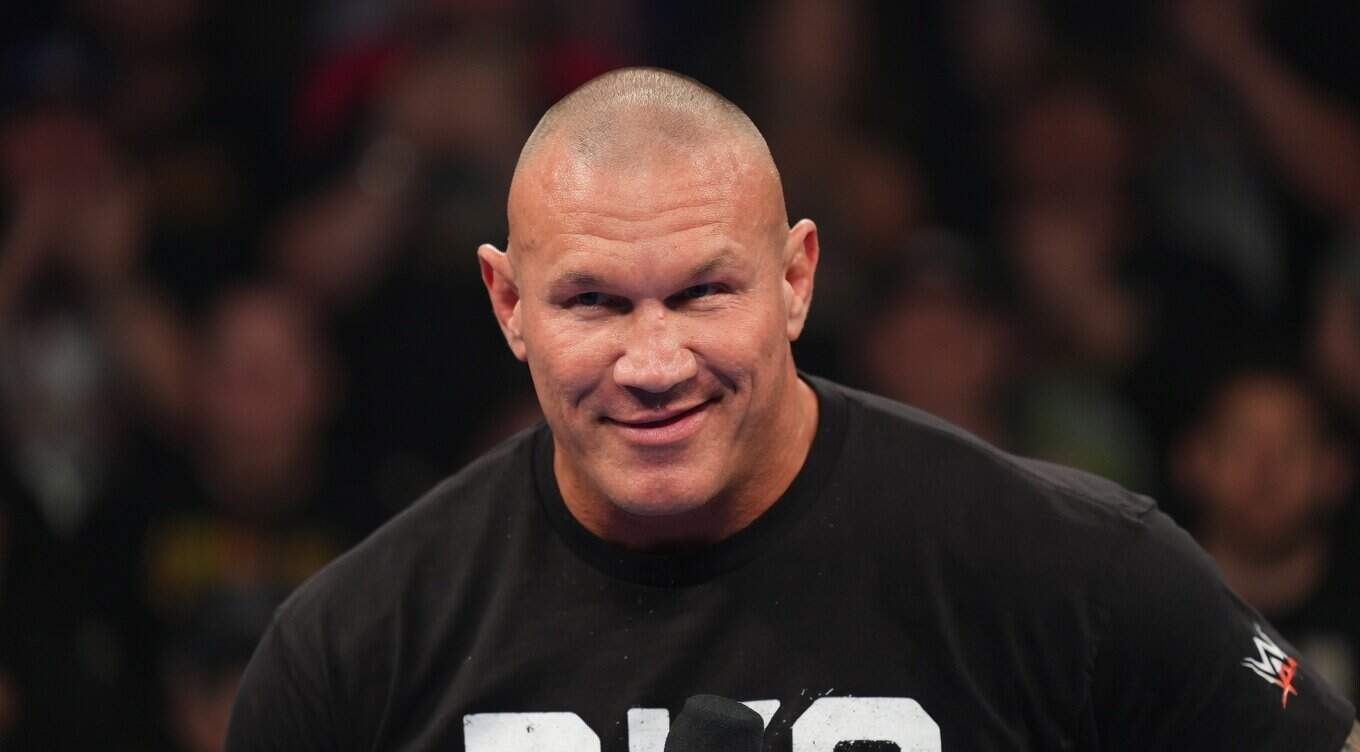
Randy Orton knows why the RKO is the last real finisher in wrestling
2 months, 2 weeks ago