The Gorilla Position Ultimatum
Professional wrestling operates in a realm where a millimeter separates a work from a shoot. On April 10, 2017, Jinder Mahal stood backstage on WWE Raw, staring down a furious Vince McMahon. Moments earlier, Mahal had landed a stiff forearm strike flush on Finn Balor's temple, concussing the recently returned star.
McMahon looked at Mahal and delivered a blunt threat. "I should fire you," McMahon said, according to Mahal's recent reflections. This ring accident, surprisingly, triggered a rapid ascent that saw Mahal drafted to SmackDown one week later.
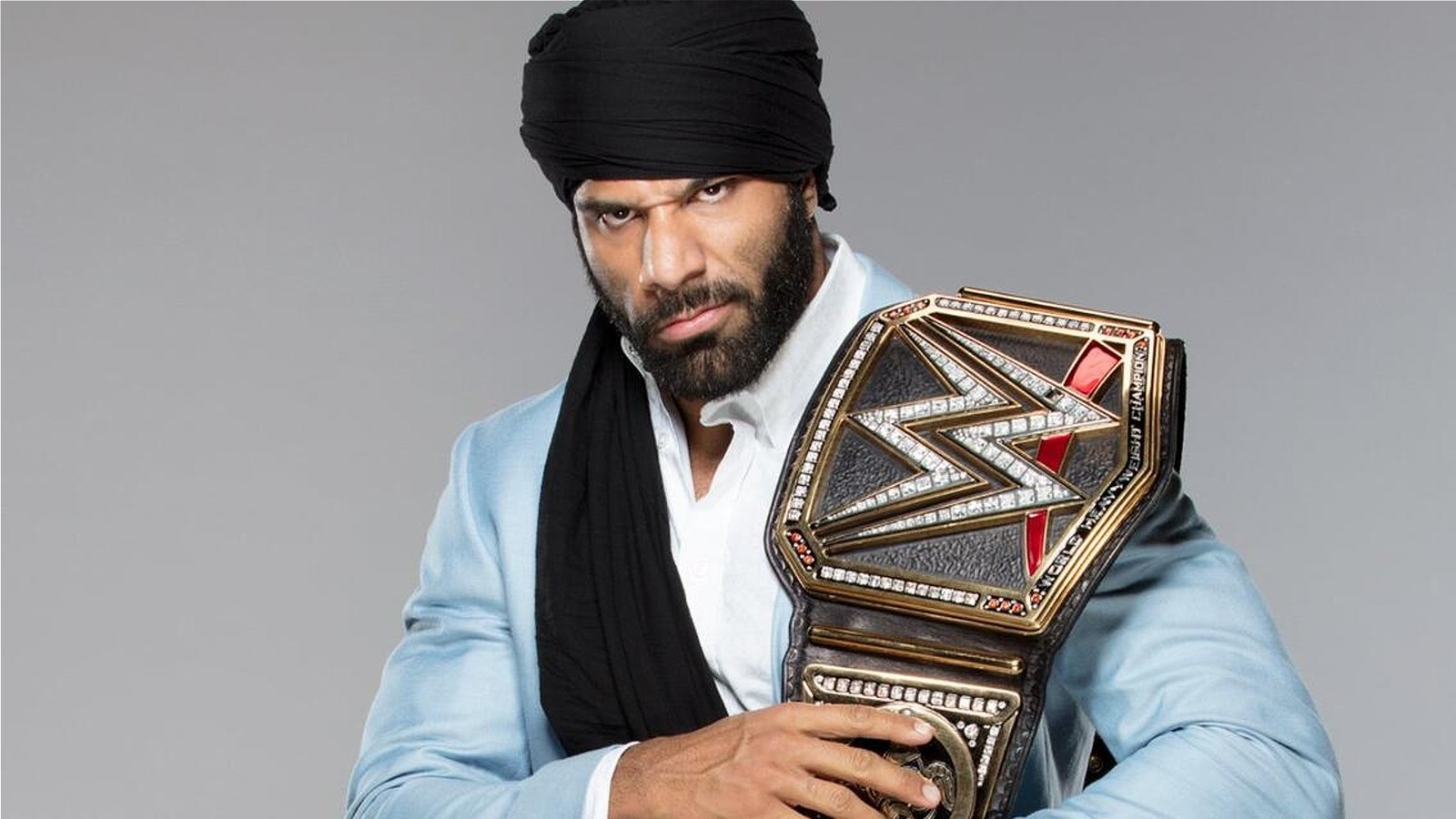
Within a week, on April 18, 2017, he won a six-pack challenge to become the number one contender. The rapid transition from near-firing to main-event challenger shocked fans, but the mechanics behind his rise were deeply tactical. Mahal understood that to sustain a main-event spot, he had to modify his entire presentation.
The Anatomy of a Modern Transformation
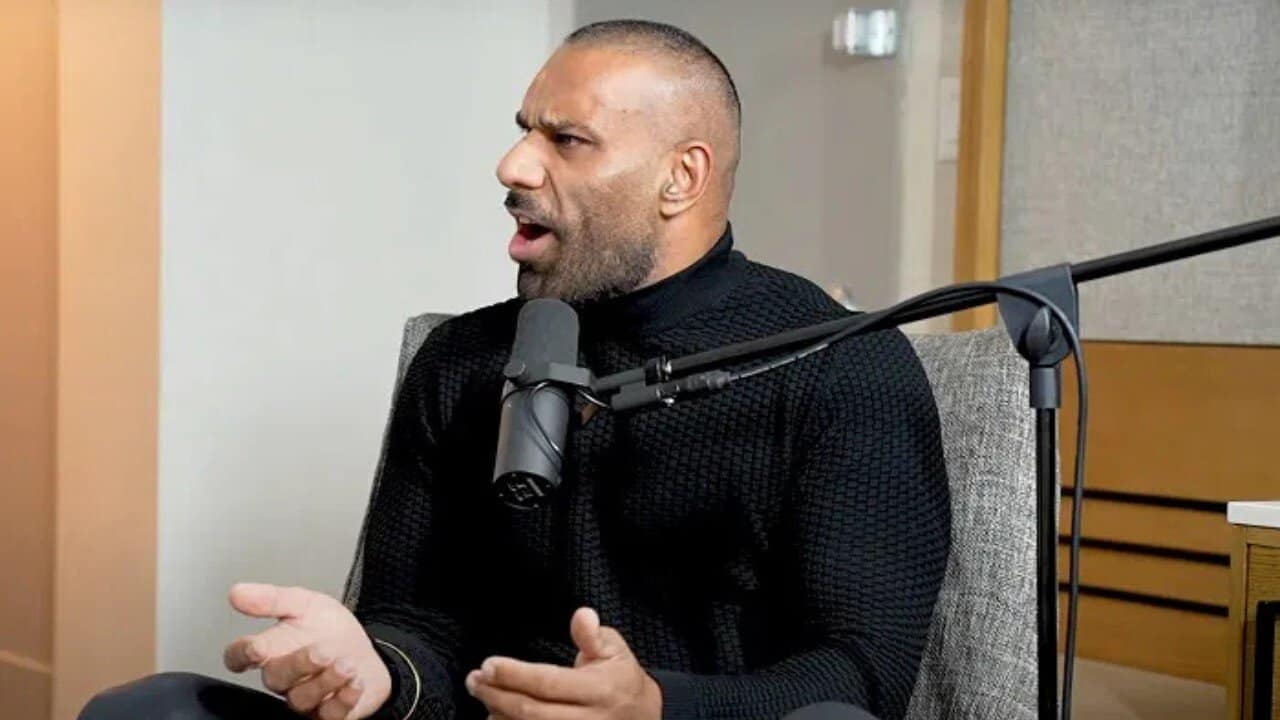
Fans often point to corporate motives, claiming WWE handed Mahal the title to expand into India. However, Mahal recently pushed back on this explanation during a media appearance. As detailed in a recent interview, he argued the business case for India was always present, even when he wrestled in the lower card.
“I know there’s a common theme that I was given the WWE Championship for India, but that India market was there when I got released, it was there when I was in 3MB, it’s still there to this day.”
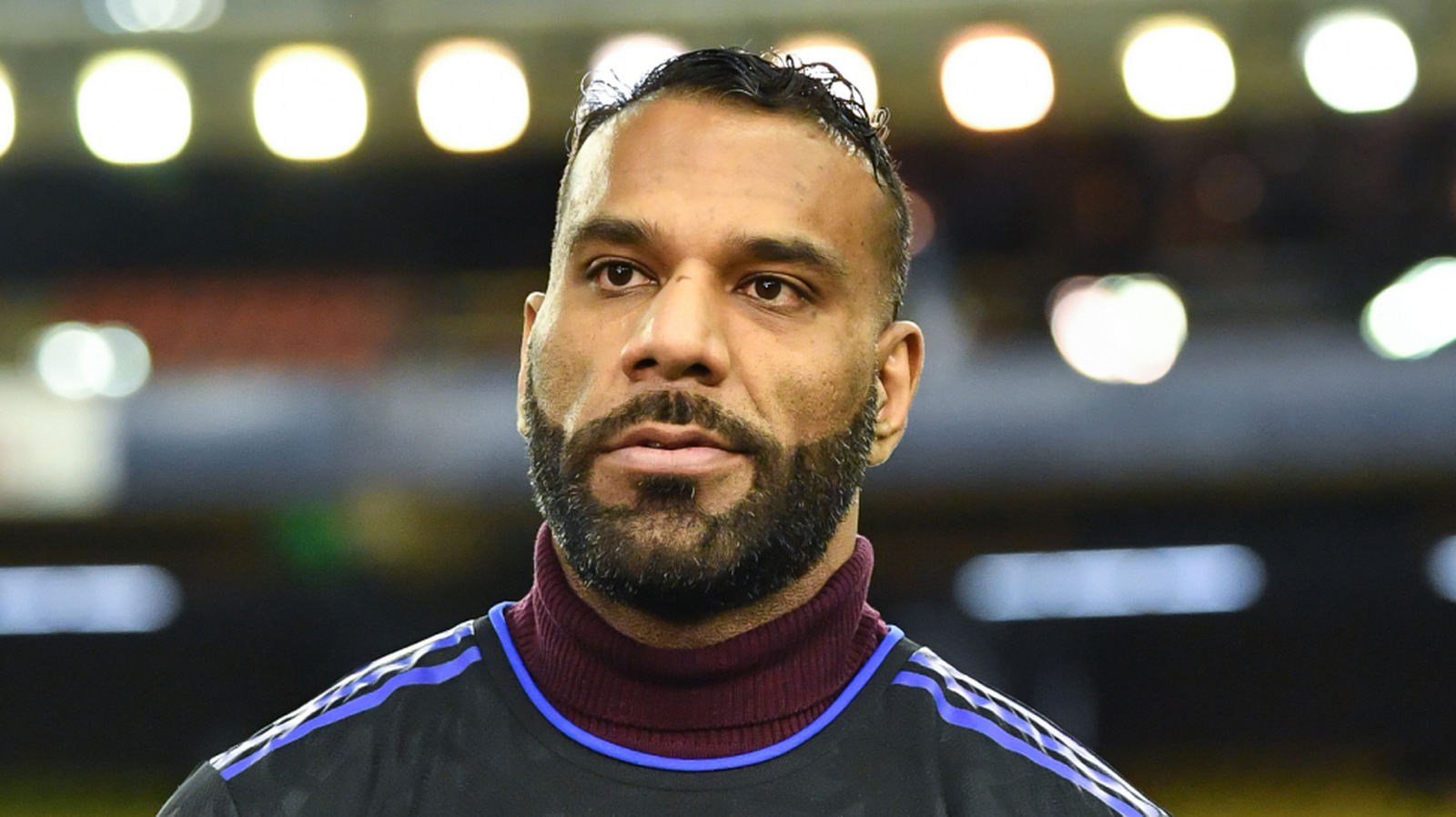
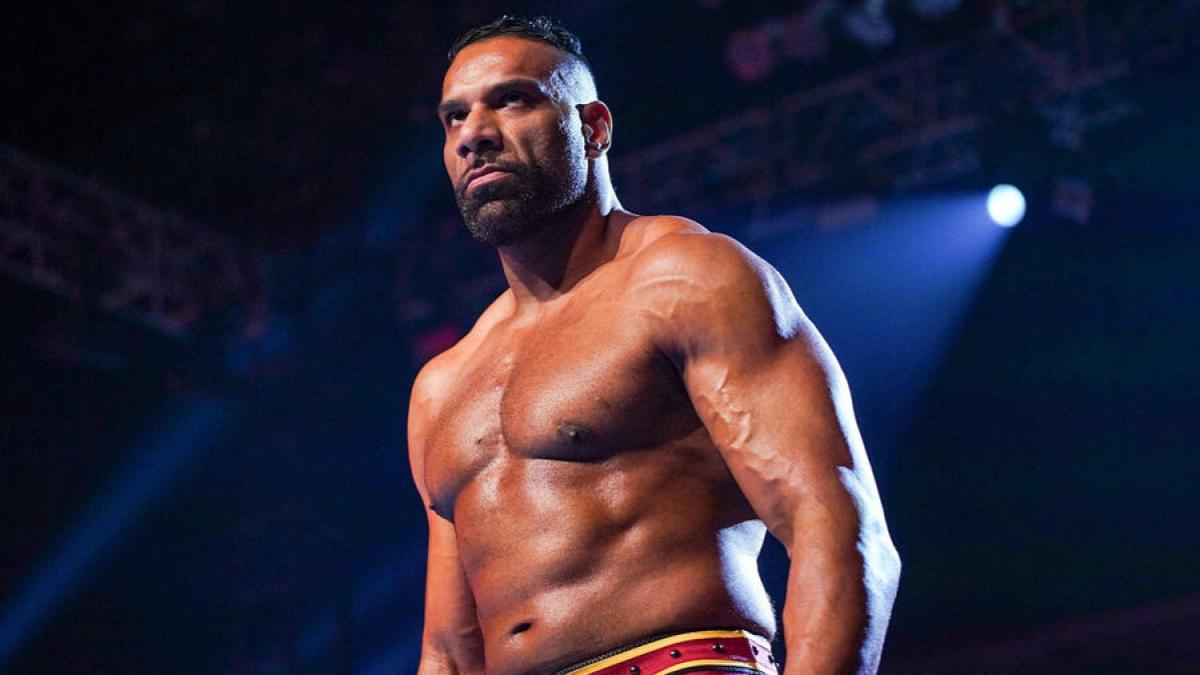
The real change lay in Mahal's deliberate self-investment. He overhauled his conditioning, packing on lean mass to reach a shredded 245 pounds. This physical presence immediately altered how opponents had to work with him in the ring.
He also refined his promo delivery, projecting a quiet confidence that replaced his previous mid-card shouting. Mahal began wearing custom three-piece suits to television tapings. This was not just a wardrobe change; it was a psychological tool to force the audience to see him as a top-tier performer.
He summarized this mindset by stating, "I had to become the champion before I became the champion." He emphasized that his goal was to highlight "the investment into myself, and just overcoming, that’s the part that I would want to share." This self-investment laid the groundwork for his tactical matchup against the champion, Randy Orton.
The Tactical Spacing Battle
Orton's Methodical Pace vs. High-Stamina Pressure
To analyze the upcoming title clash at Backlash on May 21, 2017, one must look at ring geography. Randy Orton is a methodical worker who thrives when he controls the center of the canvas. Orton excels at maintaining a neutral stance, allowing him to strike with his signature RKO from any angle. His average match length during this period hovered around fourteen minutes, relying on a slow wear-down phase to exhaust opponents.
Orton's tactical style relies on slow, ground-based control, specifically utilizing the Garvin stomp and the chinlock. He uses these moves to regulate the match's tempo, keeping his own heart rate low while draining his opponent's oxygen reserves. Mahal cannot compete with Orton in a pure wrestling contest. If Mahal attempts to trade traditional wristlocks and side headlocks, Orton will systematically pick him apart.
Therefore, Mahal’s game plan relies on high-intensity pressure and disrupting Orton's spacing. Mahal's improved cardiovascular capacity allows him to maintain a high strike rate, forcing Orton into the corners. By taking away the center of the ring, Mahal limits Orton's defensive options.
The Wingback Interference Strategy
The primary element in Mahal's tactical framework is the deployment of the Singh Brothers. Gurv and Harv Sihra do not simply run to the ring; they function like tactical wingbacks who position themselves on opposite sides of the apron. This positioning forces Orton to look away from Mahal to monitor the perimeter.
This structural overload allows Mahal to strike when Orton’s defensive posture is compromised. In the six-pack challenge, this exact distraction allowed Mahal to hit his finisher on Sami Zayn. Against a veteran like Orton, the timing of these distractions must be even more precise.
Orton is notorious for his spatial awareness, often intercepting external interference with his snap powerslam. To counter this, the Singh Brothers must draw Orton out of the ring entirely. By forcing Orton to expend energy on the floor, they create the necessary window for Mahal, turning the match into a three-on-one spatial puzzle.
Dissecting the Match Mechanics
The Biomechanics of the Khallas
The Khallas is a highly effective finishing maneuver when executed with proper body positioning. The move begins with a full nelson that Mahal locks in using his superior reach, restricting the opponent's head movement. He then twists his hips, using centrifugal force to slam them flat onto their back.
The torque applied to the neck during the rotation makes it almost impossible to kick out. However, the setup requires a completely static opponent, meaning Mahal cannot hit it on a moving target. A running knee strike to a cornered Orton is the most likely setup we will see.
If Mahal fails to secure the full nelson fully, Orton can easily slip under the arms and counter with an RKO. This makes the grip strength and elbow placement during the setup phase incredibly important. A single slip during the rotation will allow Orton to hit his finisher, meaning Mahal must execute the biomechanics perfectly to win.
Flaws in the Championship Blueprint
While Mahal's path to the title is tactically sound, it is not without significant flaws. The suddenness of his push remains a jarring booking decision for long-time viewers. Transitioning a wrestler from a jobber to a world champion in under a month damages the credibility of the championship.
The reliance on the Singh Brothers also threatens to make Mahal look like a weak champion who cannot win cleanly. Furthermore, Mahal's in-ring work still carries risks of dangerous stiffness, as seen in the Balor incident. If he executes a forearm strike or a power move with poor timing against Orton, he risks causing another injury.
Orton has a history of shoulder issues, making safety a primary concern. Mahal must prove he can work at a main-event level without compromising the safety of his opponent. Despite the criticisms, the tactical advantages lie with the challenger.
The Verdict and Prediction
Orton is a traditionalist who struggles against opponents who break the standard rules of engagement. The addition of the Singh Brothers creates a mathematical disadvantage that Orton cannot overcome alone. Expect Orton to hit a dramatic RKO, only for the Singh Brothers to pull Mahal to the floor at the last possible second.
Frustrated by the interference, Orton will dismantle the brothers on the broadcast table. This distraction will allow Mahal to strike from behind, throwing Orton into the steel ring post. Back in the ring, Mahal will lock in the Khallas to secure the pinfall victory at exactly 16 minutes and 22 seconds, completing his historic transformation.
Read Next
- Inside the bizarre rise of Jinder Mahal from near-firing to WWE Champion
- Why Jinder Mahal is right about wrestlers blaming creative for their flops
- Jinder Mahal fires back at critics of his controversial 2017 WWE Title run
- Jey Uso's physical and personal collapse ruins his WWE title hopes
- 💥 WWE Backlash 2026 — Full Coverage Hub