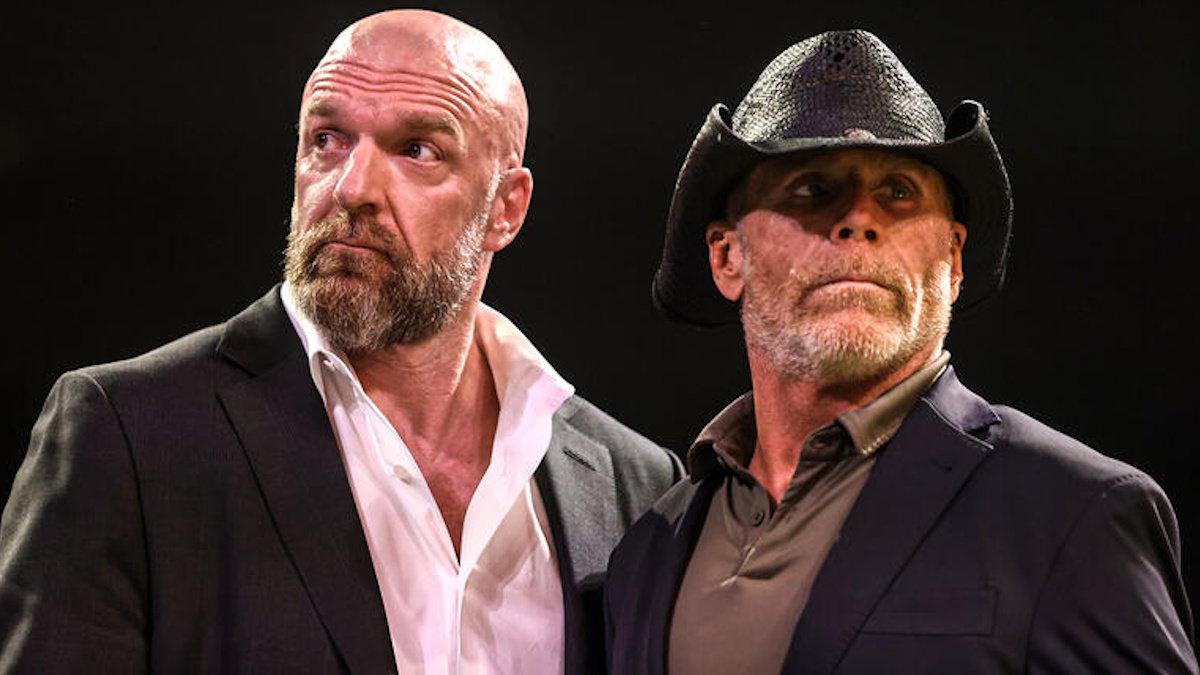
WWE producers are hiding in plain sight
The quiet shift behind the curtain
The broadcast product in WWE is frequently analyzed through the lens of character work and in-ring psychology, yet we rarely acknowledge the structural reality of how these matches hit the screen. Behind the flashing lights and pyrotechnics, the transition of former in-ring talents into full-time production roles has become the company's primary mechanism for maintaining technical consistency. It is a quiet, ongoing evolution of the internal workforce.
When we watch a veteran like Michael Hayes guide the pace of a marquee bout, we are seeing a specific engineering effort. The company is effectively leveraging the accumulated match experience of its own roster to sustain its production quality. It is a logical progression for talent to move toward these back-end roles once the physical toll of a main event schedule becomes unsustainable.
Predictable mechanics in a chaotic business
The reliance on established names to map out the X and O of a match helps explain the recurring structural patterns we see during televised broadcasts. Matches often follow a rigid cadence—a sustained opening exchange, a mid-match rest period, and a high-spot flurry in the final five minutes. This is not coincidental.
This reliance on former in-ring performers as architects behind the curtain essentially institutionalizes a house style. It ensures that regardless of the talent involved, the pacing remains tethered to the corporate expectations set by the production team. While this leads to cleaner broadcasts, it occasionally invites a lack of improvisation that would otherwise separate a good match from a great one.
The internal cost of the producer pipeline
Integrating these former stars into the production staff creates a closed loop of influence. By looking at WrestleTalk's recent coverage on WWE stars becoming producers, it is clear that the company favors internal continuity over external hiring. While this protects the product from drastic stylistic shifts, it can stagnate the creative direction of a match.
The current injury climate reminds us that the physical toll is a constant, as Andrade stepping into headline chaos reflects. When top stars are sidelined, the producers are the ones responsible for re-tooling the show on the fly. Sometimes, these adjustments are seamless. Other times, the seams show clearly, with pacing falling apart due to a lack of authentic in-ring chemistry replacing the planned spots.
We have to ask if this system prioritizes safety and predictability over genuine risk-taking. The transition of names like Michael Hayes proves that the house style is firmly rooted in the past, even as the roster turns over. For the audience, this means a reliable viewing experience. It also means that surprises in the ring are increasingly rare compared to the polished sequences designed in the production unit. We are watching a curated experience meant to buffer against the volatility of an injury-prone industry, but the cost is the loss of the raw, unscripted intensity that defined the product in previous eras.
The Rise and Fall of ECW (Wrestling Books)
A deep dive into the hardcore territory that changed the industry forever.
Frequently Asked Questions
Why does WWE hire former wrestlers as producers?
What is the typical structure of a WWE televised match?
How do producers impact creativity in WWE matches?
Who is responsible for re-tooling matches when stars are injured?
What are the drawbacks of WWE's internal producer pipeline?
More Coverage

Why Triple H's creative control is a double-edged sword for WWE
56 minutes ago
Triple H's NBA main event pitch proves WWE is prioritizing spectacle over story
56 minutes ago
Bruce Prichard's NXT call-up strategy is a massive gamble
57 minutes ago
WWE’s cold feet on Bron Breakker shows they still fear the crowd
an hour ago
WWE is sacrificing the midcard for Detroit spectacle
an hour ago
Is Maika on the verge of a surprise WWE international pivot?
an hour agoMore Analysis
Why Triple H's surgical backstage approach is shifting WWE's performance
1 month ago
Creative shifts and the Triple H era: A post-McMahon reality check
1 day ago
Why the current WWE product balance is leaning too hard into the past
4 weeks, 1 day ago
Triple H is finally giving the guys behind the curtain their flowers
3 months, 1 week agoWhy WWE’s multi-model shift is a dangerous game for story continuity
1 month ago