The structural collapse of the Redemption card
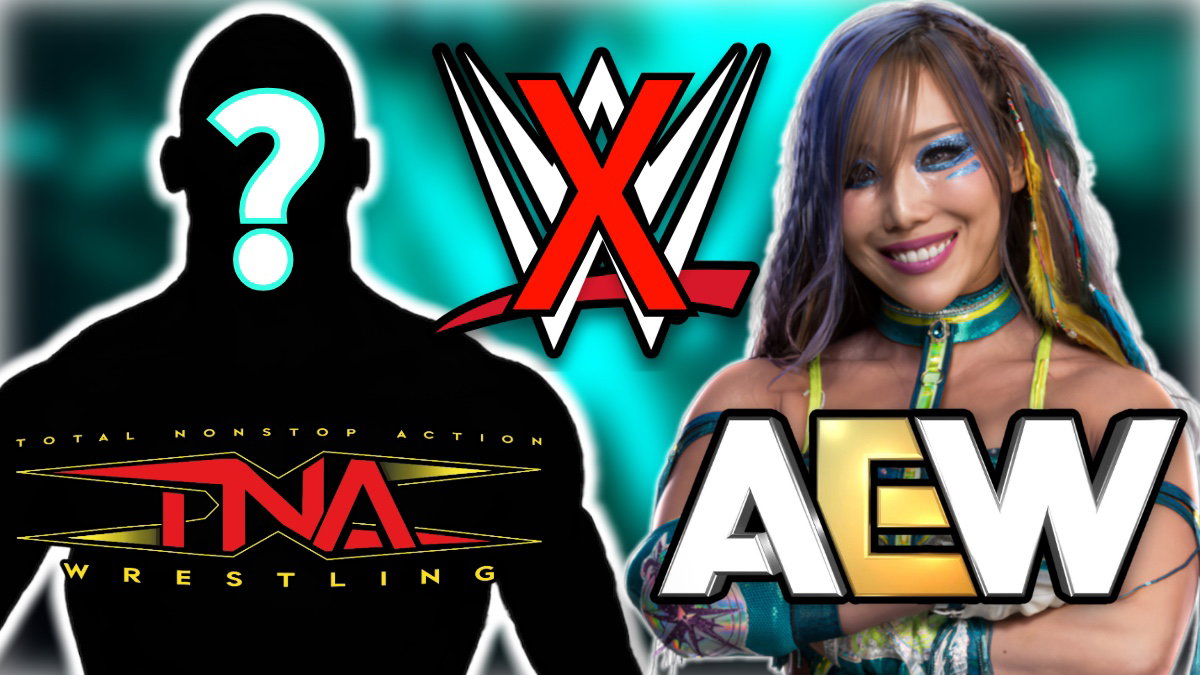
AEW Redemption is entering its final build phase with the elegance of a derailed train. The loss of Mistico due to injury is the latest in a long string of physical setbacks plaguing the roster. Management is attempting to mask this blow by plugging a six-way ladder match into the hole on the marquee. This shift smells like a desperate attempt to manufacture excitement where a technical grappling showcase was promised. Ladder matches are binary instruments; they offer high-octane spectacle while effectively hiding the absence of ring psychology.
Tony Khan confirmed on PWInsider that several top stars are currently working through significant physical impairments. When your highest-paid talent is essentially held together by athletic tape, the match quality dictates a downward trajectory. We are likely to see wrestlers avoiding high-impact bumps in favor of safer, choreographed sequences to avoid further medical intervention. The ladder match structure inherently forces violent kinetics, which contradicts the current need for load management among the headliners.
Tactical inconsistencies in the mid-card
Beyond the injuries, the booking logic for this card remains suspect. The promotion is leaning on multi-man matches to pad time, failing to establish clear, linear stakes for the challengers. A ladder match requires a logical progression of exhaustion. When six performers clutter the ring, the spacing often dissolves into a disjointed mess of waiting for spots. Without a clear narrative thread tying these six together, the bout will likely devolve into a series of disconnected high spots without a central climax.
The reliance on these gimmick-heavy arrangements masks a deeper issue: a lack of fresh singles programs. We are seeing returns to established feuds that saw their peak relevance in early 2026. If the promotion cannot cycle in new talent without relying on nostalgia or car-crash television, the long-term audience interest will crater. It is disappointing to see the booking team prioritize quick, shocking highlight reels over the long-term storytelling that historically defined the brand's best work.
The math behind the promotion's choices
Look at the past three months of pay-per-view metrics. Multi-man matches featuring ladder or table stipulations consistently draw higher initial social media engagement but often suffer from diminishing returns in terms of repeat viewership. The trade-off is clear: sacrifice the integrity of the match for a trending clip. It is a cynical calculation that assumes the viewer will not notice the lack of coherent escalation in intensity.
The execution of these matches also leaves much to be desired. In the previous iteration of this event format, the average match duration was 22 minutes, yet the actual competitive engagement hit less than 40 percent of that time due to excessive downtime between maneuvers. If this ladder match exceeds 20 minutes, expect the final act to feature significant pacing issues as the performers gas out. The law of diminishing returns applies to high-spots just as much as it does to any other athletic discipline.
The verdict on Redemption
Predicting the outcome of this card is a fool's errand given the injury reports, but we can forecast the performance. The ladder match will satisfy the loud contingent looking for gravity-defying stunts. However, from a tactical standpoint, it is a band-aid on a gaping wound. Expect a messy finish involving at least one interference spot to protect the loser from a clean loss. My prediction? The promotion pivots to a multi-referee stoppage to maintain a murky 'rematch' narrative path heading into autumn. It is a safe, albeit cowardly, piece of booking that keeps the status quo firmly in place while solving nothing.