Why the Boogeyman myth still fascinates
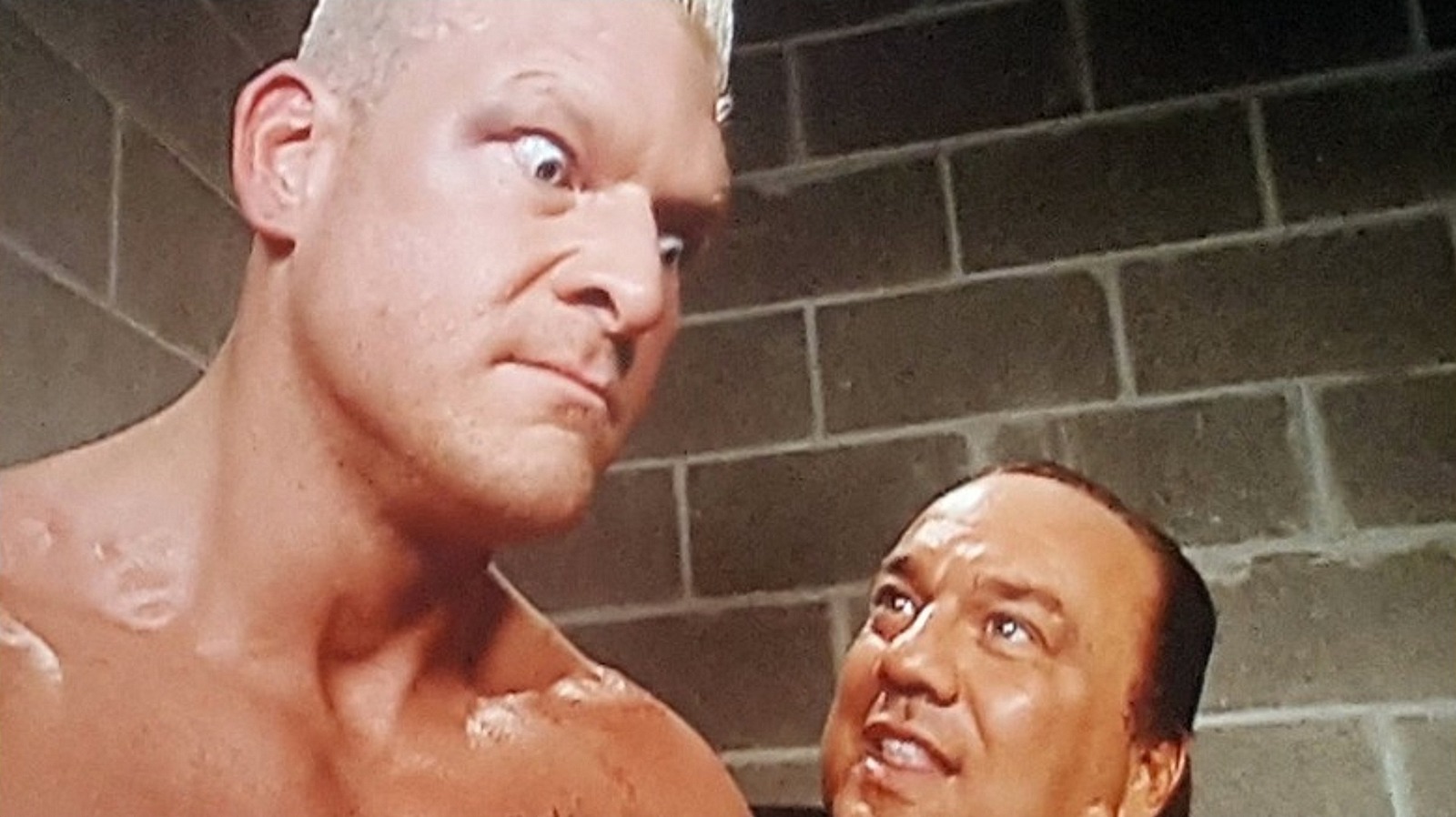
The Boogeyman wasn't just a gimmick, but a singular deviation from the WWE roster's standard aesthetic. During his 2006 to 2009 tenure, his physical presentation was designed to create immediate visceral discomfort, relying on practical effects like live worms and a distinct, guttural delivery. It worked. The audience reacted because the commitment to the bit was total, regardless of how absurd the premise turned out to be.
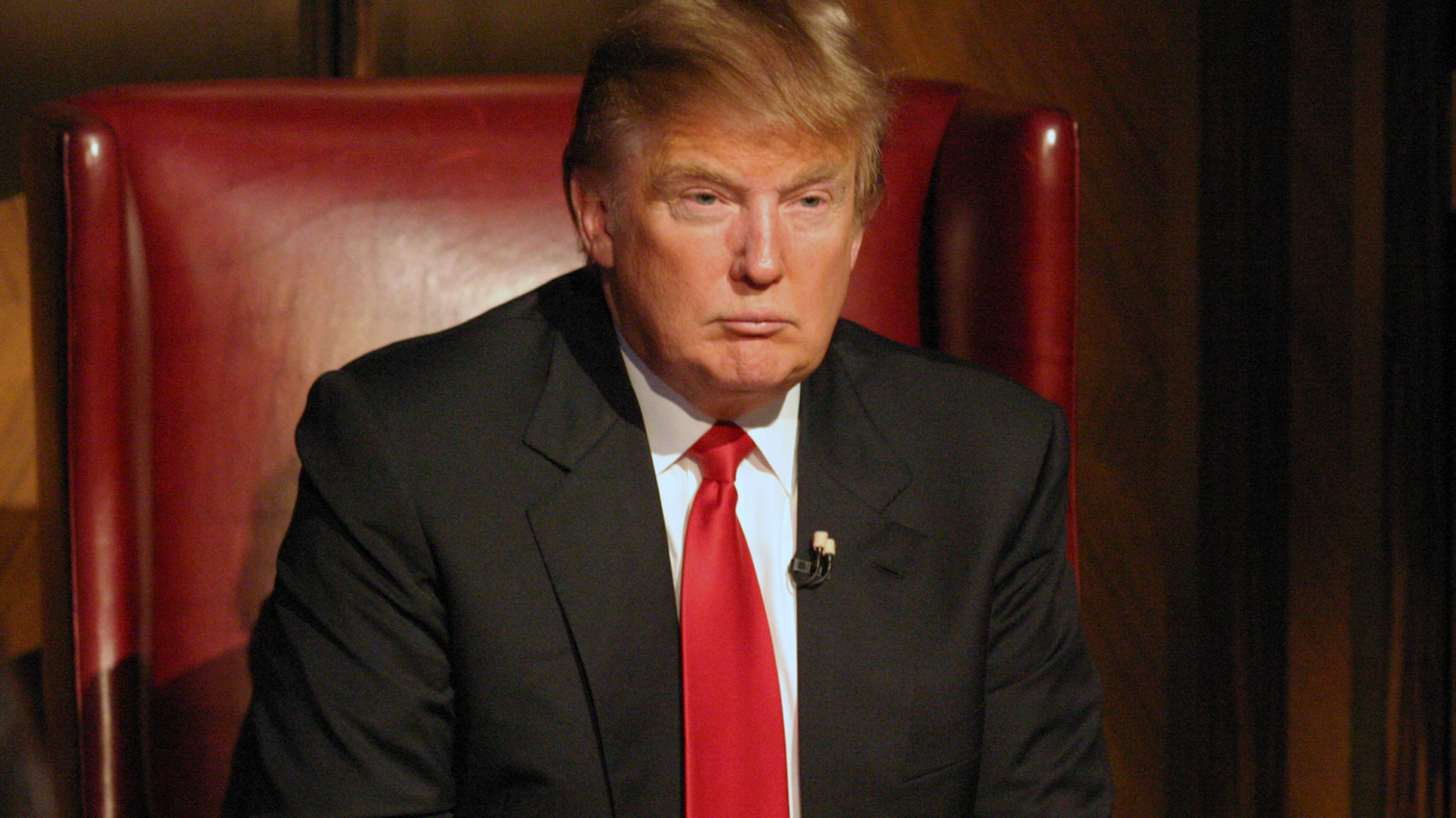
However, the character faced booking hurdles that limited his ceiling. According to notes on recent retrospectives, including details reported by Wrestling Inc, the character was once slated for a high-profile segment with Donald Trump. The segment was scrapped because the performance elicited a genuine reaction that didn't align with the desired creative direction for that specific television window.
The cost of being too effective
There is a fine line between a performer being over and being unmanageable for the current script. When a character is designed to be an chaotic element, they often hit a wall where they conflict with the prestige of the show's featured talent. Booking a segment alongside a celebrity figure requires a level of polish that the Boogeyman, by definition, lacked.
The irony is that this inability to integrate into sanitised, high-end segments is exactly why fans still remember him. While other mid-carders from that era were playing to the cameras with traditional promos, the Boogeyman was focusing on the pacing of his walk to the ring and the exact timing of his jump scare tactics. He understood that his value lay in being an anomaly, not a utility player.
Predicting his legacy status
Going forward, the Boogeyman will remain a recurring, limited fixture in WWE, acting exclusively as a visual hook for short-form content or cameo appearances. He will never push for a title run or a featured feud in a modern pay-per-view environment because the product has shifted into a reality-based presentation that favors high-work-rate athletes over heavy character-work specialists.
My prediction is simple: we will see him pop up in a 5 minute segment at a major event next year simply to draw a nostalgic pop via his entrance. WWE understands that these legacy acts provide a reliable, low-risk emotional anchor. They aren't trying to build a career move for him, they are just trying to sell the memory of 2006 for a quick 12 percent boost in social media engagement metrics during the broadcast.
The critical flaw in his original run was that the writers never figured out how to pivot him from an attraction to a wrestler. By the time they realized the audience was invested in the horror element, the creative team had already burned the bridge by booking him into losses that stripped away his mystique. It’s a recurring booking mistake: taking a monster and forcing them to play by the rules of humanity.
The Boogeyman is a reminder that in wrestling, presence dictates everything. You can have all the technical skills in the world, but if you cannot shift the energy of a room the second your music hits, you will never reach the status of a true attraction. He managed to do that, even if he never got the match against Trump to validate it.