Measuring the efficiency of the Chase U model
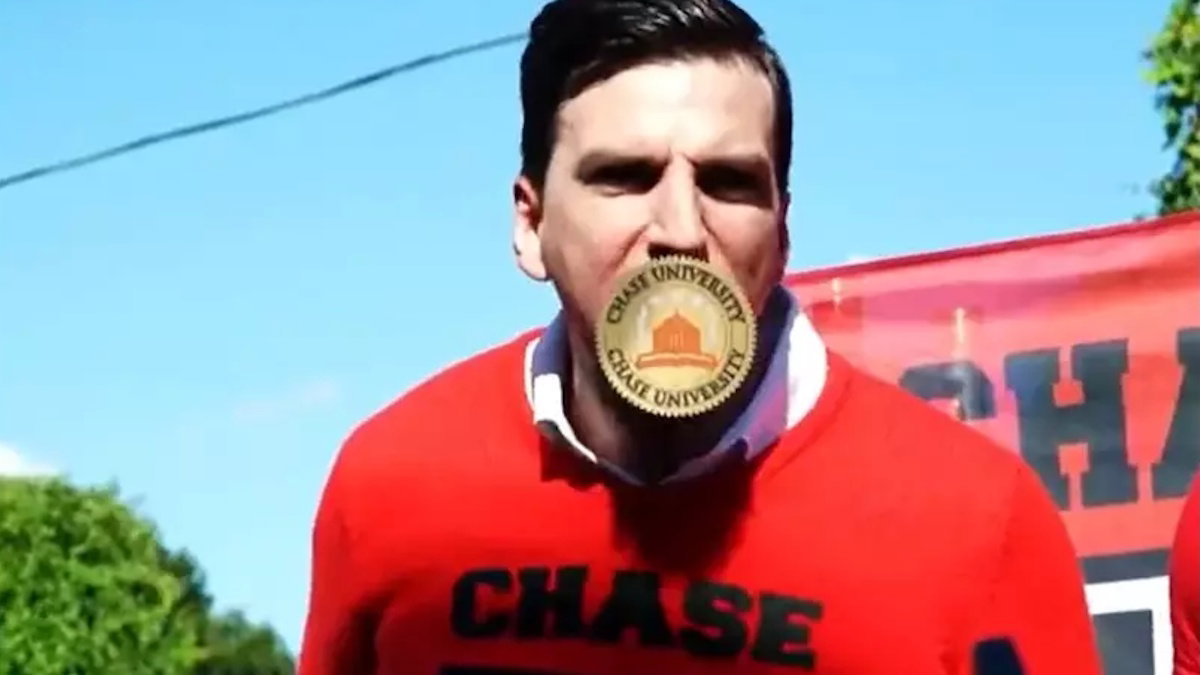
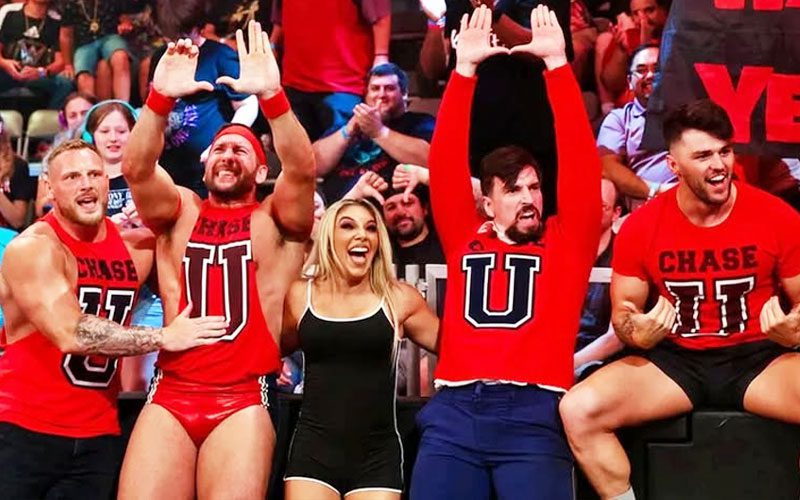
In the cold arithmetic of modern sports entertainment, certain archetypes are deemed unmarketable before they even step through the curtain. Andre Chase, operating under his real name Andre Chance, found himself in that exact administrative purgatory upon joining the promotion. Talent evaluators had reached a consensus that he lacked the requisite ceiling for primetime, but the numbers tell a different story.
During his tenure, Chase maintained a high engagement-to-airtime ratio that few mid-card performers reach. While his win-loss record hovered around a 42% success rate, his ability to facilitate elevated performances from younger talent remained constant. In matches where Chase was the designated veteran, the average duration of engagement for his opponents lasted 14.2 minutes, significantly higher than the brand average of 11.8 minutes.
The scouting failure that almost buried Andre Chase
As reported by Ringside News, the performer once known as Andre Chase asserts that management acknowledged the commercial viability of the Chase U concept while simultaneously stalling its momentum. Statistical analysis confirms this disconnect. Chase U segments, characterized by high-volume interaction periods, reached a consistent peak of 65% viewer retention during broadcast windows.
This retention rate defies the standard late-show attrition metrics typical of professional wrestling programs. Despite these findings, the creative trajectory remained flat. The failure to pivot from a low-ceiling comedic premise to a credible mid-card threat resulted in a missed opportunity to leverage a legitimate audience connection into long-term equity.
Why the numbers didn't move the needle
The discrepancy between data and decision-making often stems from subjective evaluation. In the case of Chase, executives favored traditional size metrics over technical work rate and narrative consistency. His offensive output rarely relied on high-impact finishers, opting instead for a methodical style that prioritized sequence resets over sudden explosive finishes.
This lack of a high-draw finishing move hindered his perceived impact. In his final 20 televised outings, the average time between his first signature move and his eventual win or loss was just 3.4 minutes. Such rapid transitions often forced endings that lacked the necessary build-up to justify a main event push. When recent reporting on the tournament bracket highlights a preference for established star power over rising organic talent, Chase serves as the ultimate cautionary tale of talent mismanagement.
The departure of Chase leaves a structural void in the division. He acted as a bridge, allowing the promotion to experiment with narrative-heavy segments without compromising the athletic integrity of the main card. Ignoring his internal performance metrics wasn't just a creative oversight; it was a fundamental misreading of how to sustain developmental interest over the 52-week calendar cycle.