The physical toll of the modern schedule
Professional wrestling is a game of attrition. When a veteran performer like CM Punk drastically overhauls his physical preparation, it is rarely just about aesthetic vanity. It is a calculated response to the relentless 2026 travel schedule and the inevitable wear on joints that have already survived two decades of ring work.
Kevin Nash recently addressed the visible change in Punk’s conditioning. After months of public skepticism regarding Punk’s utility in the current WWE environment, Nash pivoted to praise the performer's current state on his podcast. This shift in tone from a long-time industry critic highlights a core truth about talent management: the locker room notices when a star resets their baseline.
Analyzing the recovery curve
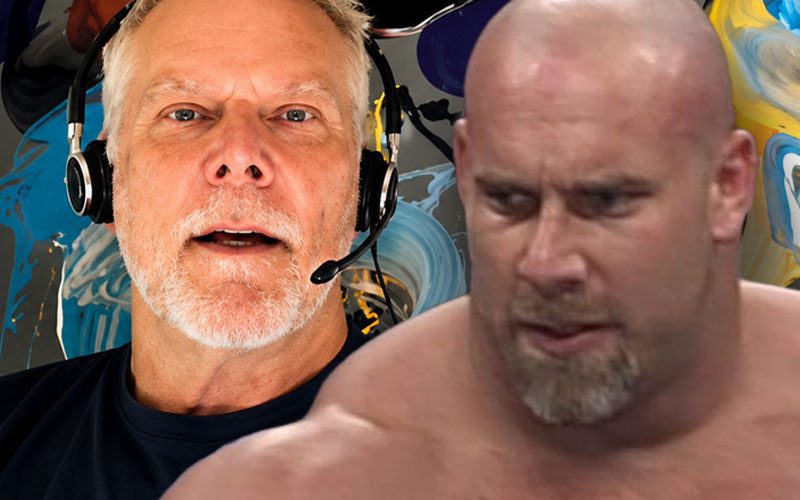
Performance shifts often mask internal struggles with chronic injuries. While Punk shows a leaner, more durable build, history proves that improved physique does not guarantee immunity from the ring. In the late 90s, WCW relied on heavy-duty performers like Goldberg to maintain momentum, but even then, Kevin Nash pointed out that character mechanics often failed to account for the physical ceiling of the roster.
As Ringside News noted in their coverage, WCW consistently struggled to adapt their booking when their top physical specimens reached their breaking point or simply became stale. Punk is avoiding that trap by evolving his look, which allows for a pivot toward a more technical, ground-based style that demands less explosive impact on his surgically repaired triceps and knees.
The strategic implications of conditioning
WWE’s medical team is increasingly prioritizing metabolic efficiency over pure mass. This shift represents a departure from the mid-2000s when bulky silhouettes were the industry standard. By leaning out, Punk minimizes the load on his cardiovascular system, which is vital for the 20-minute matches that define the current main event style.
There is a flaw in this approach, however. Over-specializing in physical conditioning can sometimes breed a false sense of security. If a performer begins to work a style that assumes perfect health, any unexpected tweak—a mid-ring slip or an awkward landing on an unprotected floor—becomes a catastrophic event. Fans admire the transformation, but the risk remains high.
Historical context and locker room reality
The industry has seen similar transformations before. Legends attempting to squeeze more years out of their careers often undergo these exact types of drastic changes. It is a survival mechanism. Nash’s commentary confirms that the veterans of the business are watching these developments closely, measuring who is training for the long haul versus who is training to pass a wellness test.
Recent discussions surrounding outside influences, such as high-stakes legal settlements involving public figures like Michael Jackson, remind us that professional reputation is fragile. For a wrestler, that reputation is anchored in their ability to perform. Punk is placing a monumental bet on his own durability.
If the 30-minute iron-man capacity vanishes because of a soft-tissue flare-up, the investment in this new physique effectively depreciates to zero. Currently, however, the gamble is paying dividends in match fluidity. The objective is clear: remain available for the dates that sell out the arena, even if it requires a total reimagining of one's physical foundation.
Read Next
- Chad Gable injury update following Raw main event
- Chad Gable injury update following raw main event
- Logan Paul returns to Raw with lingering injury questions
- Shawn Chan recovery timeline remains uncertain following recent injury
- 🏆 WrestleMania 41 — Full Coverage Hub
- 💊 CM Punk WWE 2026 — Best in the World