The Corporate Shadow and Creative Stability
The Creative Split in Modern WWE
Professional wrestling is a battle of inches fought on canvas. Every footprint, every rotation on a suplex, and every transition tells a story of creative control. For years, Vince McMahon dictated those stories with a rigid, heavy-handed blueprint.
He favored massive physiques and cartoonish gimmicks over authentic in-ring chemistry. Today, the television product looks entirely different.
The rise of Damian Priest and Rhea Ripley has redefined the main event style. Their success is a direct rejection of the old regime's booking philosophy. It proves that raw physical presence works better than forced supernatural concepts.
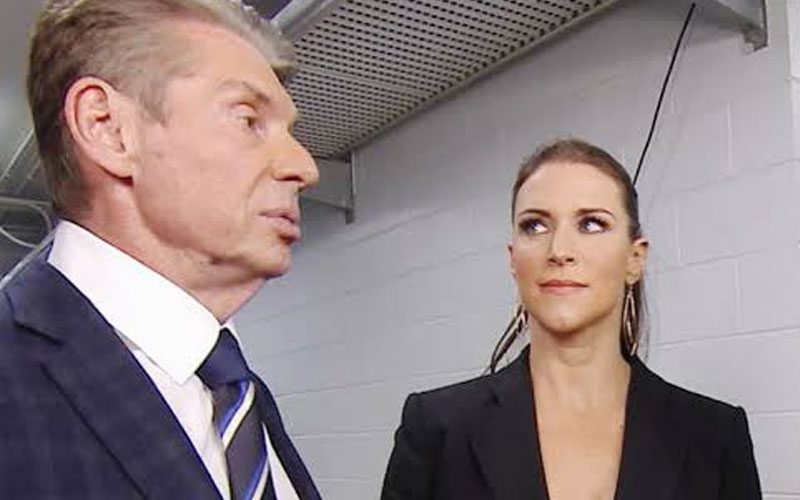
The transition was not smooth. Corporate filings and leaked information show the internal resistance to this shift. For instance, a leaked voicemail revealed that Stephanie McMahon was against Vince McMahon’s sale of WWE to Endeavor.
She wanted to maintain family control, perhaps sensing the creative upheaval that would follow. Despite the corporate overhaul, some stock market traders are still betting on Vince McMahon to make a WWE return. But the on-screen reality has already moved past his vision.
The Judgment Day Miscalculation
To understand the current success of Priest and Ripley, we must examine the origin of Judgment Day. The faction began as a dark, gothic collective. Adam Copeland, who founded the group as Edge, has since peeled back the curtain on those early months.
According to Copeland, Vince McMahon did not realize what he had with Ripley and Priest. McMahon wanted the group to adopt spooky, supernatural elements. He envisioned another version of the Undertaker's Ministry of Darkness.
McMahon failed to see their modern appeal. Ripley was not a mystical sorceress; she was an athletic powerhouse with a punk-rock aesthetic. Priest was not a silent henchman; he was a dynamic striker who could move like a cruiserweight.
Forcing them into supernatural roles nearly killed the act before it started. When McMahon lost creative control, the group dropped the spooky theatrics. They became a realistic, arrogant locker-room gang.
That pivot saved their careers. It allowed them to display genuine personality instead of reciting scripted promos about darkness. The numbers followed immediately, with merchandise sales and quarter-hour TV ratings spiking throughout late 2023 and 2024.
Tactical Breakdowns of Modern Champions
Rhea Ripley and the Ring Geography of Dominance
Ripley’s work inside the ropes deserves close technical inspection. She does not wrestle like the classic WWE women's champions. Her style is built on positioning, ground control, and brutal efficiency.
She occupies the center of the ring, forcing opponents to work around her perimeter. Watch how Ripley sets up her suplexes. She does not simply grab her opponent and lift.
She uses a deep underhook, stepping her lead foot between the opponent's legs to create a pivot point. This mechanical detail allows her to execute the Northern Lights suplex with minimal back strain. It gives her complete control over the opponent's landing angle.
At the 12-minute mark of her major matches, this efficiency keeps her fresh while her opponents are gasping for air. Her submission hold, the Prism Trap, is equally tactical. Instead of a standard standing cloverleaf, she wraps her arms around the opponent's shins and sits back.
This shifts the pressure from the lower back to the thoracic spine. It makes escape nearly impossible. Her opponents must either tap out or crawl to the ropes, losing valuable energy in the process.
Yet, Ripley's match structures are not perfect. She occasionally falls into a formulaic pattern during the middle portion of her matches. Her heat segments can drag.
She relies heavily on simple foot chokes in the corner, which halts the match's momentum. Against quicker opponents, this slow pace can make the contest feel disjointed.
Damian Priest and the Shift in Heavyweight Dynamics
Priest offers a different tactical puzzle. At six-foot-five, he has the size of a traditional WWE big man but rejects the traditional lumbering style. His offense combines Japanese-style forearm strikes with high-flying maneuvers.
This hybrid style has allowed him to anchor the Monday Night Raw main event scene. Priest's primary weapon is the South of Heaven chokeslam. Unlike Kane or the Undertaker, who lifted opponents vertically before dropping them, Priest adds a forward driving motion.
He grips the throat, lifts, and then drives his own body weight downward. This creates a more devastating impact. The trajectory is flatter, making it harder for the opponent to roll through or kick out.
His defensive positioning is also highly disciplined. Priest rarely gets caught out of position during multi-man matches. He uses the ring posts to shield his blind side, a subtle habit developed during his years on the independent circuit.
He understands how to cut off the ring, forcing smaller wrestlers into the corners where his size advantage is absolute. However, Priest still struggles with his babyface identity.
His transition away from the heel Judgment Day persona exposed some creative cracks. His babyface promos often lack a clear emotional hook. He relies too much on shouting to get the crowd behind him.
In the ring, his comebacks can feel mechanical, lacking the organic fire of a natural fan favorite. The ongoing success of these two stars is tied directly to corporate stability.
The modern product benefit from long-term planning, a luxury that did not exist under Vince McMahon. McMahon was famous for ripping up scripts two hours before showtime. He changed directions on a whim, destroying months of character development in a single segment.
The leaked voicemail from Stephanie McMahon confirms the corporate tension behind the scenes. Her opposition to the Endeavor sale suggests a desire to protect the traditional family business model. Yet, the sale went through, creating the corporate structure that allowed Triple H to take full creative control.
Under this new management, storylines are mapped out six months in advance. Wrestlers know their directions, allowing them to build subtle details into their matches weeks before the actual pay-per-view. The fact that traders are still betting on Vince McMahon’s return is a chilling thought for the locker room.
A return to the old booking style would likely disrupt the entire roster. Gimmicks would be overhauled, and long-term storylines would be scrapped. Stars like Priest and Ripley, who thrived once freed from McMahon’s creative shackles, would find themselves back in the creative wilderness.
The Upcoming Title Clash and Prediction
What to Watch for in the Ring
Looking ahead to the upcoming championship match, the tactical battle will center on pace and spacing. Ripley faces a challenger who relies on speed and lateral movement. Ripley must control the center of the ring from the opening bell.
If she allows her opponent to circle the ring and attack her joints, the champion will be in trouble. For Priest, the challenge is maintaining offensive flow. His opponent will look to exploit his left knee, which has shown weakness in recent television matches.
Priest must avoid high-risk aerial moves early in the match. He needs to keep the fight grounded, using his reach to keep the challenger at bay. The pacing of the matches will tell the story.
Watch the first five minutes of each bout. If Ripley and Priest can dictate the physical tempo, they will retain their positions at the top of the card. If they get dragged into chaotic, fast-paced scrambles, we could see new champions crowned.
The Final Prediction
The modern era will continue its dominance. Ripley is too physically dominant and too technically sound to lose her title. She will weather an early storm of aerial attacks, cut off the ring, and lock in the Prism Trap.
Expect the tap-out victory at the 18-minute mark after a devastating Riptide onto the apron. Priest faces a tougher road but will ultimate prevail. His opponent will target his leg, but Priest’s ring awareness will save him.
He will counter a springboard attempt into a mid-air South of Heaven. A three-count at 21 minutes will seal the win, cementing his spot as the top heavyweight on Raw.
The Vince McMahon era is dead, no matter what Wall Street traders think. The success of Rhea Ripley and Damian Priest is the proof. They survived the bad booking, overcame the corporate chaos, and now stand as the undisputed future of the business.