The cold calculus of tournament booking
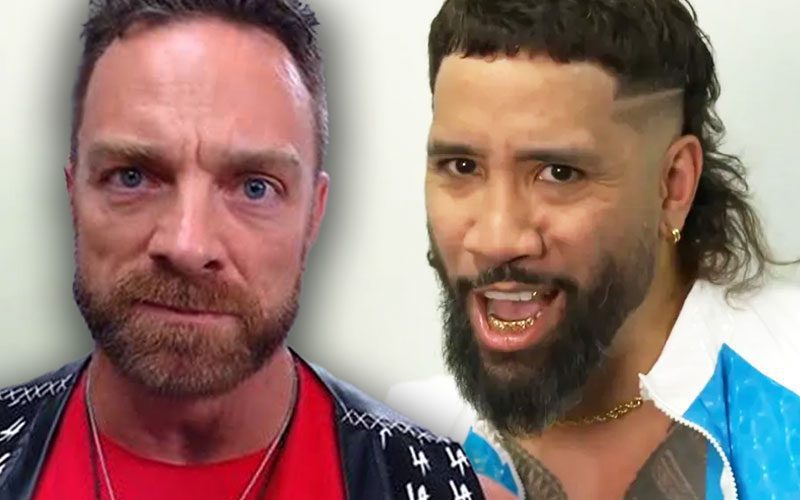
WWE’s decision-making process often feels like a black box to the casual observer, but the recent King of the Ring bracket reveals a specific tactical preference. When Jey Uso advanced past LA Knight in the tournament, it wasn’t just a random shuffle of win-loss records. It was a calculated risk assessment.
Management reportedly views Jey Uso as a safer commercial vessel than LA Knight in high-stakes slots. This preference stems from a desire to mitigate execution errors during live broadcasts. Recent internal sentiment suggests that the company is hypersensitive to unforced errors, fearing that a high-profile botch could derail the momentum of their mid-tier tournament programming.
Analyzing the execution gap
Stats don't lie, but they do tell a story about reliability. Jey Uso has operated within main-event structures for the better part of three years. His integration into the Bloodline saga provided a baseline of consistency that booking teams view as a safety net. Every superkick and corner splash is timed to hit specific production marks.
LA Knight’s rise, while organic and audience-driven, comes with a different profile. His crowd engagement numbers are undeniable, yet the internal perception of his technical consistency remains a point of friction. As Ringside News has reported, the preference for Jey over Knight is grounded in a belief that Uso is simply less prone to the kind of high-stakes errors that invite negative social media cycles.
The cost of being a corporate reliable
There is a flaw in this strategic coldness. By choosing the "safe" option, WWE risks stifling the raw energy that made LA Knight a breakout performer in the first place. Fans gravitate toward Knight not because he is a clean-cut technical automaton, but for the frenetic, unpredictable nature of his mic work and ring presence.
When a company privileges a "safe bet" over a surging star, they risk cooling the very atmosphere they need for sustained ratings. If the goal of the King of the Ring is to elevate a new challenger to a top-tier title, choosing the performer with the higher ceiling for error-free performance is defensible. However, it ignores the reality that professional wrestling is fueled by heat, not just cleanliness. Pushing Uso because he is a "safer" hand is a defensive maneuver. It effectively signals that management values stable production over star-making narratives.
Predicting the tournament trajectory
My assessment of the remaining bracket is simple: WWE will continue to prioritize these high-reliability performers through the final round. Expect the booking to lean heavily on established veterans who can guarantee a 15-minute televison block without a production delay or an awkward spot.
LA Knight’s exclusion was the turning point of this tournament’s creative direction. It locked in a path that favors institutional familiarity over current market volatility. I project the tournament concludes with a winner who mirrors the company’s current obsession with minimizing risk during peak hours. Expect the final showdown to be technically sound, if entirely lacking in the genuine friction that made the earlier rounds compelling.
Read Next
- Jey Uso’s King of the Ring momentum hits a physical wall
- Oba Femi is calling out Brock Lesnar and I am here for the carnage
- King of the Ring lost its architect, but the tournament remains a broken compass
- Eddie Andelman deserves his flowers for the King of the Ring
- 💥 WWE Backlash 2026 — Full Coverage Hub
- 👑 Roman Reigns Return 2026 — The Tribal Chief