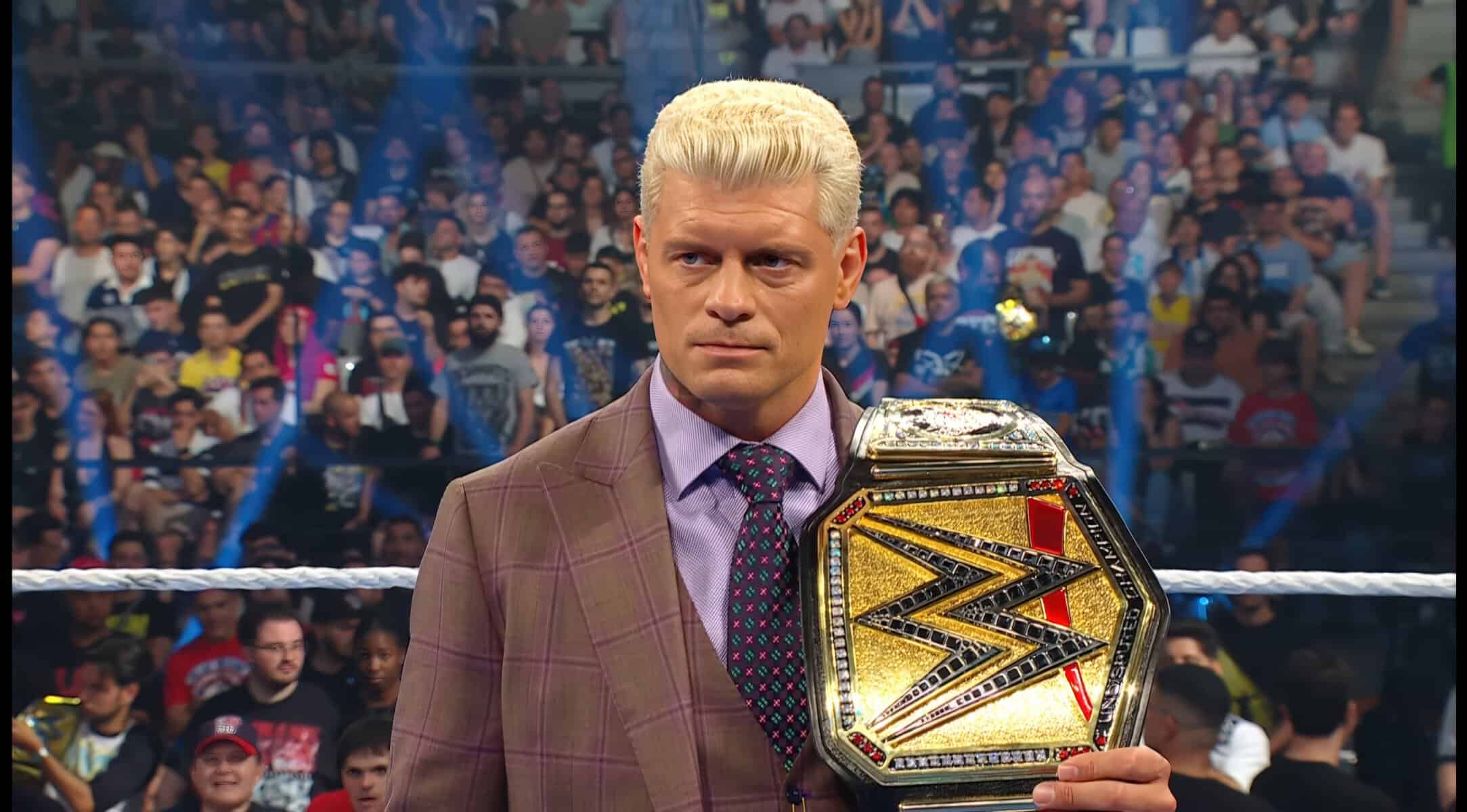
WWE stars are finally admitting the hero persona is a creative dead end

The myth of the likable champion
For decades, the standard operating procedure in professional wrestling was simple: chase the pop. If you weren't kissing babies or shaking hands, you were probably failing to sell the requisite amount of merchandise. Today, that logic is crumbling as veteran performers openly reject the constraints of the traditional babyface role.
Seth Rollins recently articulated what many in the locker room have felt for years. In a conversation with ESPN, Rollins admitted he prefers operating as a heel, bluntly stating he doesn't think he is very good at being the hero. This isn't just false modesty from a former world champion. It is an acknowledgment that the binary morality of 1980s booking feels hollow in 2026.
As WrestleTalk reported, Rollins finds more creative freedom in the darker, more cynical path. When you are forced to mirror the crowd’s projected goodness, you lose the textures that make a character memorable. The hero must be static; the villain can adapt, provoke, and dominate. Rollins understands this limitation.
The sound of a dominant identity
Character work in WWE is often treated as a secondary concern behind ring psychology or athletic output. Rarely do we see performers exert control over the peripheral elements that define how they are perceived. GUNTHER, however, recently proved why agency matters when he moved to revert his entrance music.
GUNTHER brought back his previous theme because it provided him with a sonic shorthand for his brutality. He realized that a generic orchestral swell fails to distinguish him from the mid-card pack. By reclaiming his old sound, he chose an aesthetic that matches his clinical, chest-chopping offense. It is a minor change to the casual observer, but to the performer, it is the difference between being a wrestler and being a brand.
This pursuit of authenticity is a recurring theme in recent interviews. R-Truth spoke similarly about the impossibility of forcing himself into a villainous box. He knows his persona is tied to his genuine personality; he cannot turn the dial on his warmth because his connection with the audience is built on decades of comedic timing and unpredictable energy.
Creative fatigue in the title scene
Yet, there is a clear downside to this reliance on the performer’s comfort zone. When performers like Rollins acknowledge they aren't 'good' at being babyfaces, it reflects a failure in creative direction. If the writing staff cannot construct a compelling, multi-dimensional hero that a talent can actually lean into, then the entire division defaults to a status quo that alienates the performers.
We are seeing top-tier talent essentially opting out of being the 'good guy' because the writing associated with that alignment feels fraudulent. When the most charismatic stars in the industry openly state they function better behind a mask of malice, the booking team has a problem. You cannot sustain a long-term product where the audience is constantly fighting the script to cheer for the person who is supposed to be the villain.
The rigidity of the booking has consistently forced talent into corners where they lose their voice. Whether it is Rollins expressing frustration or GUNTHER needing a specific sound to anchor his presence, the message is the same. Performers want to exert control over the subtle inputs that define their arcs. When that control is denied, the performance suffers. We see it in the ring: matches that hit the technical marks but fail to resonate because the motivation behind the combat feels thin.
The era of the 'unquestionably virtuous champion' is functionally over. Fans now prefer characters like GUNTHER, who bring a distinct, unyielding identity to the table. If WWE continues to book heroes that their own stars don't believe in, the results will remain inconsistent. Wrestling thrives on conflict, but the most interesting conflict currently isn't between two wrestlers in the ring. It is the tug-of-war between a performer’s organic persona and the outdated expectations of the writing team.
The numbers don't lie. When the crowd ignores the intended alignment of a character, the suspension of disbelief is gone. By 2026, it should be clear that authenticity beats archetypes every single time. It is time for the creative department to listen to their roster before the disconnect becomes impossible to ignore.
WWE 35 Years of WrestleMania by Brian Shields & Dean Miller
The definitive visual history of the grandest stage of them all.
Frequently Asked Questions
Why do wrestlers like Seth Rollins prefer being a heel?
How did GUNTHER assert creative control over his character?
Why does R-Truth struggle with being a villain?
What is the primary problem with modern WWE babyface booking?
How has the approach to character work changed in professional wrestling?
More Coverage
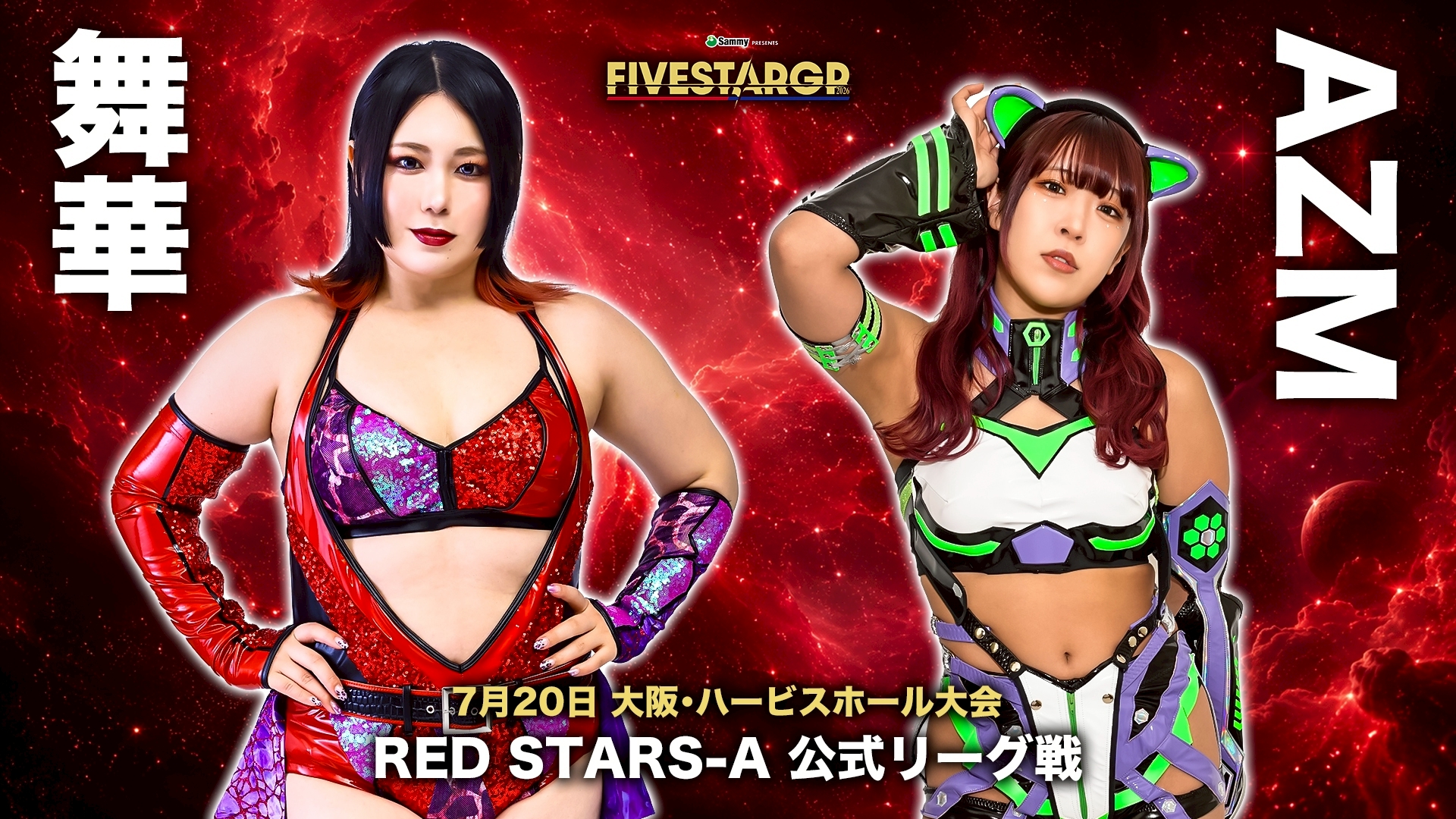
Is Maika on the verge of a surprise WWE international pivot?
20 minutes ago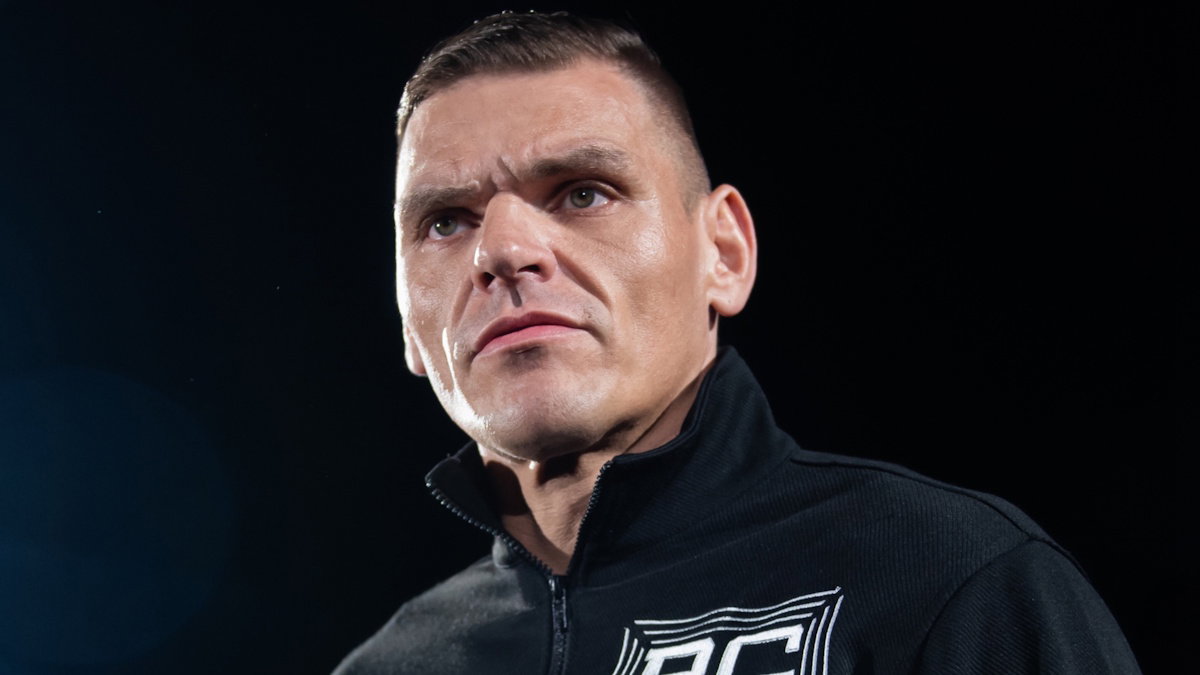
Top 10: Wrestling Stars Defining the Current Cycle
20 minutes ago
Why the locker room friction between athletes and lifers is hitting a boiling point
21 minutes ago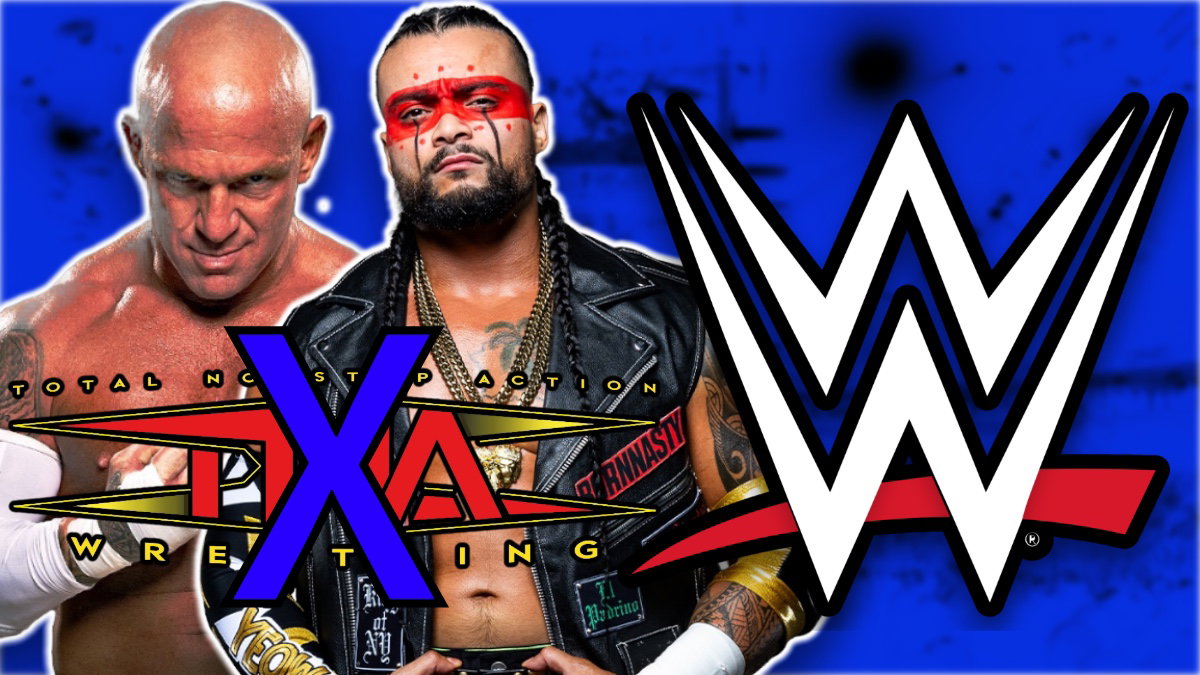
Why the TNA-to-WWE pipeline is actually a strategic pivot
21 minutes ago
CM Punk's title reign is a tactical void in the WWE main event
21 minutes ago
Why WWE's tactical shift forces veterans into hard choices
22 minutes agoMore Analysis
The Ring General is standing at a crossroads
3 months, 2 weeks ago
Gunther's restrictive style is becoming a problem for WWE
3 months, 1 week ago
CM Punk’s blunt assessment holds a mirror to the current WWE roster
4 days, 2 hours ago
Why the 'Every Match is a Dance' Crowd is Both Right and Completely Wrong
3 months, 3 weeks ago
WWE's pivot to Cody Rhodes shows a lack of long-term vision
2 months, 2 weeks ago