The music video distraction
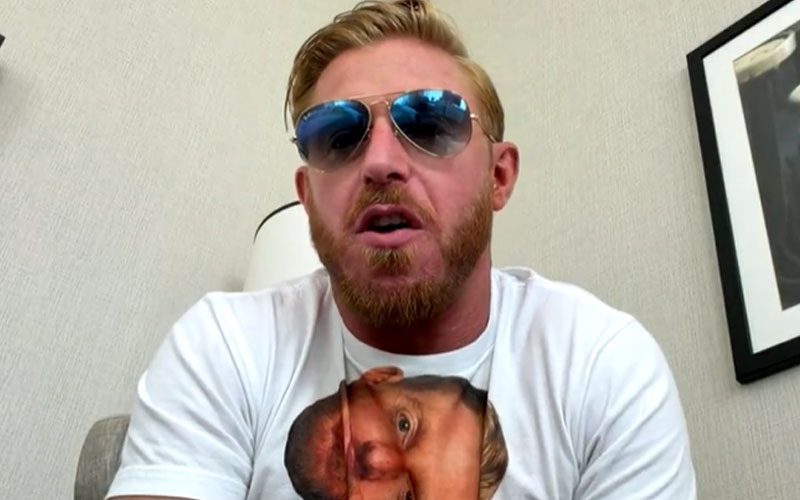
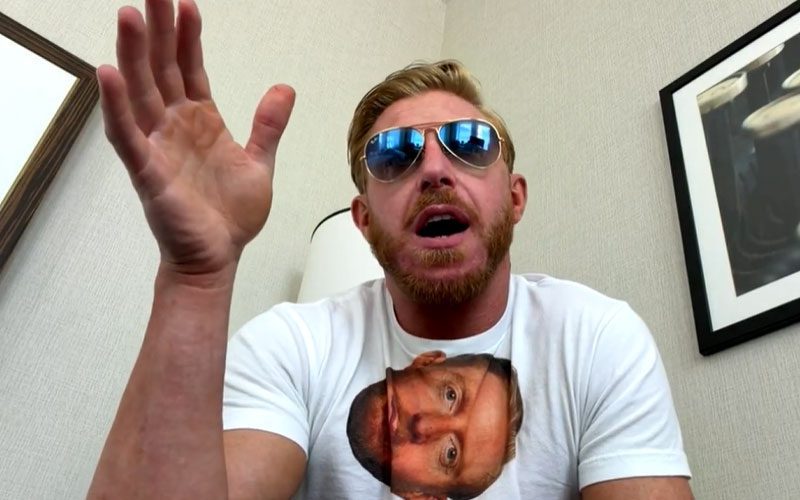
Lio Rush recently dropped another music video, doubling down on his extracurricular pursuits while his professional wrestling career remains curiously static. Professional wrestling is a discipline that demands absolute focus to maintain a position in the pecking order. When a performer allocates significant creative energy to secondary projects, the audience feels that transition in the ring.
We saw this shift firsthand when AEW's Lio Rush released his music video earlier this week. The production value is high, but the optics for a talent navigating a crowded roster are questionable at best. Wrestling fans are astute; they recognize when a performer’s gaze wanders away from the competition.
The cost of divided attention
The midcard of All Elite Wrestling is currently a pressure cooker. With incoming narratives and shifting alliances, every minute of screen time represents a finite resource. Rush has the raw athleticism to be a legitimate threat, evidenced by his agility and speed. Yet, we have seen him struggle to bridge the gap between high-flying spectacle and sustained, character-driven storytelling.
His matches often feature blistering sequences, but lack the tactical depth required to close out major programs. Relying on flash over substance is a recurring issue that limits his ceiling. When he spends his downtime recording verses, he is missing the hours of film study needed to refine his positioning and counter-wrestling.
Technical flaws in the ring
Analyzing his recent performances reveals a pattern of inefficiency. Rush possesses elite-level speed, yet his win rate in marquee matchups remains underwhelming. Often, his offensive sequences are high-risk, low-reward maneuvers that leave him vulnerable to simple roll-ups or technical pins. He has failed to show a reliable secondary finish once his primary aerial attacks are scouted or countered.
A wrestler of his stature should be exploiting the lack of depth in certain weight divisions. Instead, he appears content with a hybrid identity. This approach hampers his ability to connect with a crowd that wants a focused, hungry protagonist. If he does not pivot back to his primary craft, he risks being relegated to a secondary player as the promotion pushes younger, more singular-minded talent.
A prediction for the next cycle
I anticipate that Rush will struggle to regain momentum in the coming months. The promotion rewards consistency, and he is currently prioritizing his extracurricular brand over his in-ring development. Without a definitive change in his approach to match psychology and a scaling back of his non-wrestling endeavors, he will miss several growth opportunities before the end of the year. My prediction is that the front office will look past him when they assemble the next major championship ladder match. The talent is there, but the application is disjointed.